Most dash cams record what happened and leave you to find out later. The BlackVue DR970X-2CH Plus II car camera is built for the opposite habit: it records in native 4K up front and Full HD behind, and it can show you the car from anywhere through BlackVue Cloud. A Sony STARVIS 2 IMX678 sensor sits up front, a Sony STARVIS sensor at the rear, a 64GB card is in the box, and GPS and dual-band Wi-Fi are built in. It is the premium, connected end of the range.
In this review of the BlackVue DR970X-2CH Plus II car camera, we cover what the two cameras actually record, how the night vision holds up, what BlackVue Cloud lets you do from your phone, and what parking mode costs — the hardwire cable is included, unlike its rivals. We also compare it with the VIOFO A229 Pro and the Thinkware U3000 PRO. One warning first: a recent crawl of the Amazon listing for this exact model showed “Currently unavailable”, and we could not confirm fresh stock — check the listing is in stock, and confirm the model is the DR970X-2CH Plus II, before you order. The Quick Pick table below has it.
As an Amazon Associate I earn from qualifying purchases.
| Pick | Product | Why it stands out | Check Price |
|---|---|---|---|
| Overall Winner | BlackVue DR970X-2CH Plus II Dash Cam, 64GB | Native 4K front + Full HD rear, STARVIS 2, BlackVue Cloud remote view, hardwire cable and 64GB card included | |
| Best Budget | VIOFO A229 Pro Dash Cam (2CH) | Native 4K front + 2K rear on dual STARVIS 2 sensors, GPS, 5GHz Wi-Fi — no card and no hardwire kit in the box | |
| Premium Pick | Thinkware U3000 PRO Dash Cam (2CH) | 4K front + 2K rear, STARVIS 2 on both channels, LTE module, radar parking mode, 64GB card included |
Table of Contents
What the BlackVue DR970X-2CH Plus II Car Camera Is — and What It Is Not
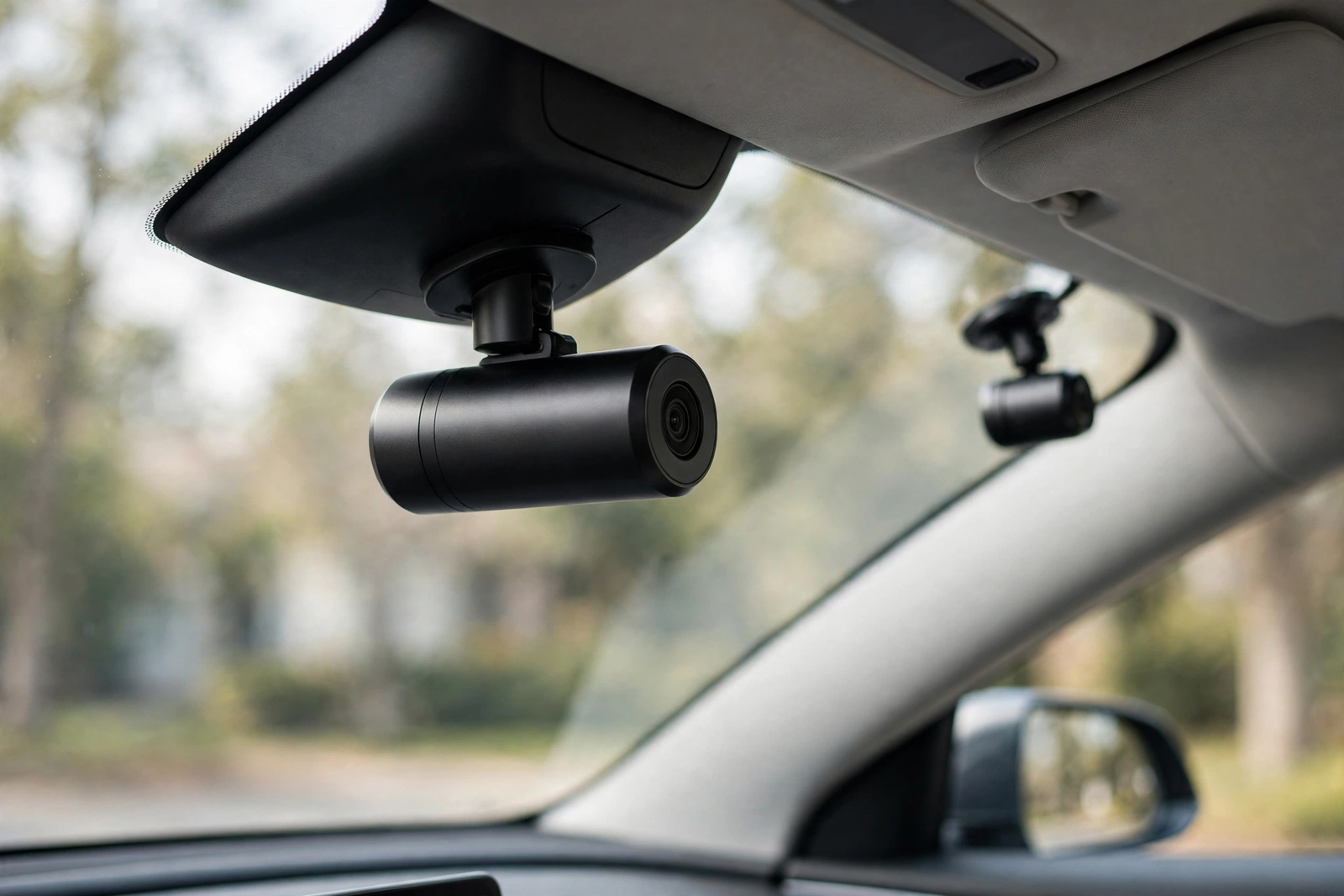
The DR970X-2CH Plus II is a two-channel dash cam: a cylindrical front unit on the windshield and a smaller rear unit on the rear glass, joined by a cable along the headliner. The front camera records in 4K (3840×2160) at 30 frames per second; the rear records in Full HD (1920×1080) too. A 64GB BlackVue microSD card is included, and the camera supports cards up to 1TB. GPS is built in, Wi-Fi is dual-band, and there is no screen on the camera — framing, settings and clips all run through the BlackVue app. For the wider field, see our dash cam dashboard camera roundup.
Just as important is what this car camera is not. It is not the DR970X-2CH LTE Plus II, the sibling with built-in 4G LTE — this Plus II has no LTE inside, and always-on cloud access needs the optional CM100LTE module or a Wi-Fi hotspot. It is not the original DR970X-2CH Plus either, an older model. And it is not an automotive backup camera: the rear camera records evidence of what happened behind you, not a reversing view with guide lines.
Video Quality: Native 4K Front, Full HD Rear
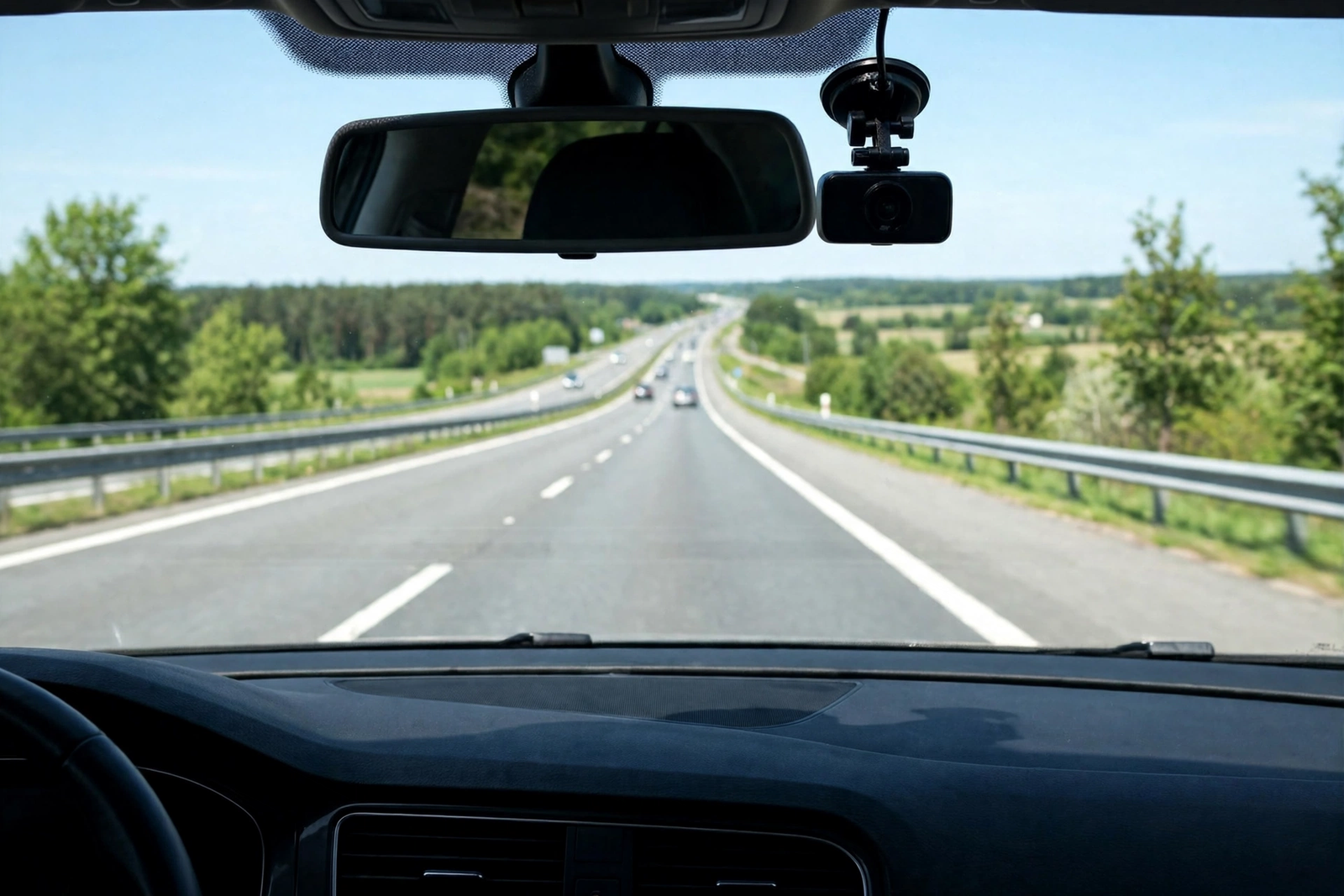
The headline spec is honest: the front camera records native 4K at 3840×2160 and 30 frames per second from an 8.4-megapixel Sony STARVIS 2 IMX678 sensor, at up to 60Mbps, with HDR. Native matters: it is the opposite of the upscaled 4K on the ROVE R2-4K Dual, stretched from a native 2.5K sensor — see our ROVE R2-4K Dual review. A native 4K sensor keeps more real detail when you crop into a number plate.
The rear camera for car coverage records in Full HD (1920×1080) at 30 frames per second from a Sony STARVIS sensor of about 2.1 megapixels, with a 139-degree view according to BlackVue. It is the weaker half by design: Full HD shows what happened behind you, but it will not read a distant plate as cleanly as the front camera. The VIOFO A229 Pro below gives you a 2K rear camera instead.
Storage is handled on day one: the included 64GB card holds several hours of 4K front plus Full HD rear footage before loop recording overwrites the oldest clips, and the camera supports cards up to 1TB. Format the card in the camera before first use.
Night Vision and the STARVIS 2 Sensors
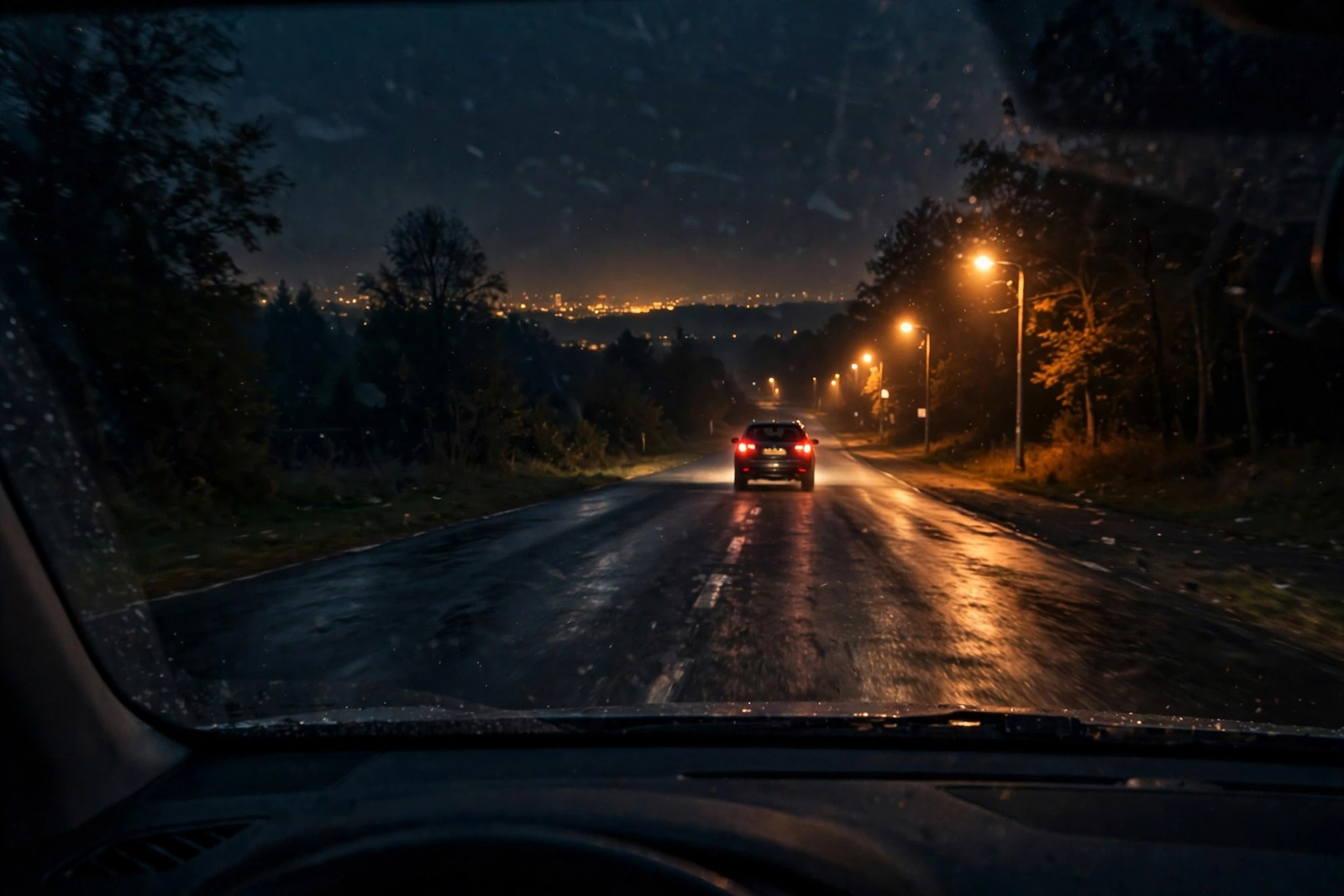
Night driving is where a dash cam earns its keep, and it is where the STARVIS 2 sensor does its best work. The Sony IMX678 is a back-illuminated sensor designed for low light, and with the fast F1.7 front lens it gathers far more light than the small sensors in budget cameras. Night footage stays in colour longer, without the grainy look that makes cheap night recordings useless as evidence.
HDR matters at night because of headlights. A bright headlight in a dark frame is the classic dash-cam failure — the light blows out and the plate behind it disappears. HDR blends multiple exposures, holding the bright areas back while the shadows stay visible. It will not work miracles on a fast-moving plate, but it gives this car camera a better chance of keeping a night scene readable.
The rear camera is the weaker night performer, as you would expect from a Full HD sensor of the older STARVIS generation. It still records a usable picture of the car behind you under streetlights, but its night footage shows what happened rather than fine detail. We claim no hands-on test results: this review describes what the sensors and aperture are designed to do, not measured low-light figures.
BlackVue Cloud, GPS, and Wi-Fi
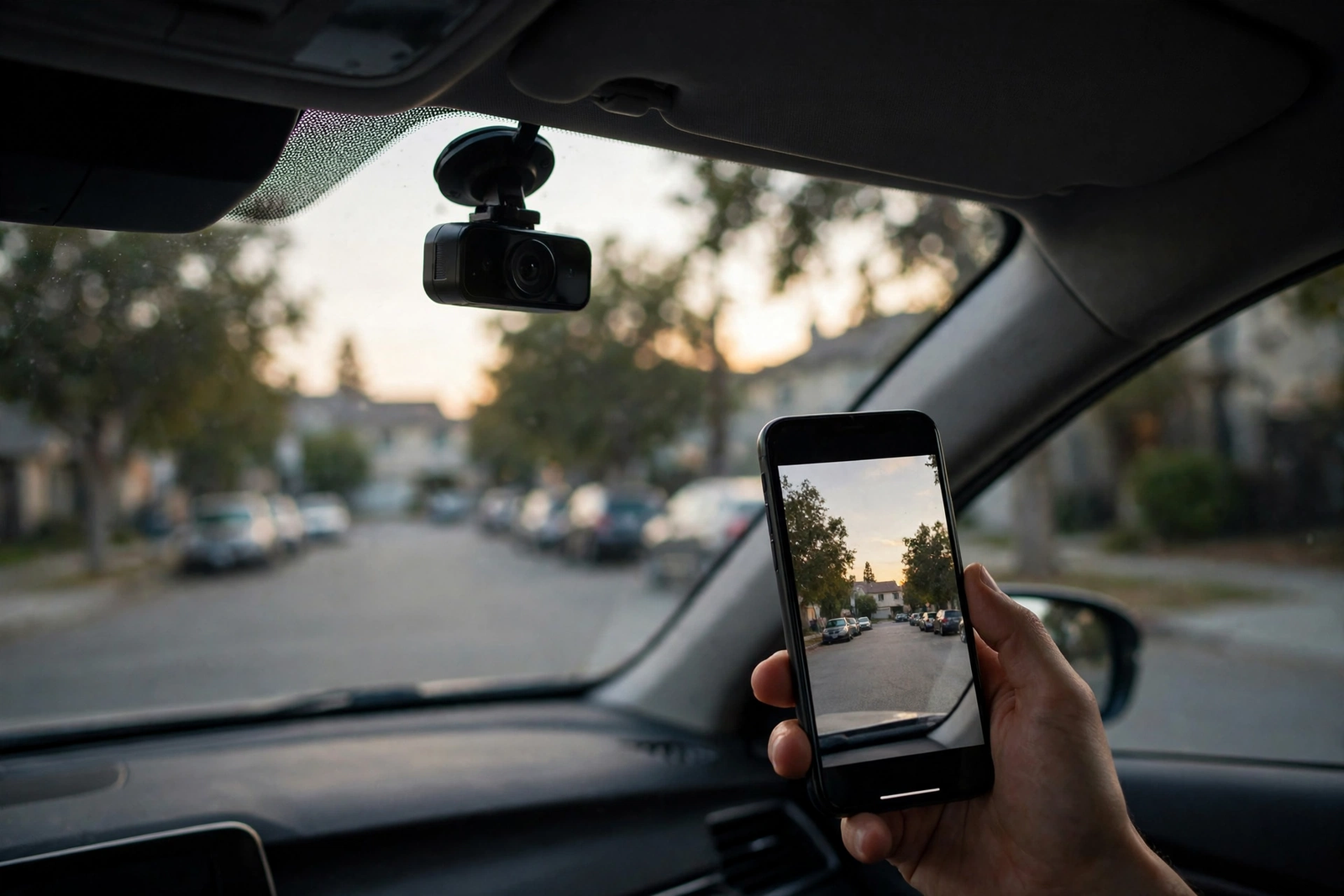
BlackVue Cloud is the feature that separates this camera from every other dash cam in this programme. The BlackVue app gives you Live View of either camera, an Emergency Alarm when an impact is detected, GPS tracking, two-way voice communication through the camera’s speaker, remote video playback, and backup of driving and parking events to the cloud. Your footage can reach you even if the car is damaged or the camera is stolen.
But the cloud only works when the camera is online, and that is the part buyers misunderstand. This model has no built-in LTE, so it reaches the cloud through a Wi-Fi hotspot or the optional CM100LTE module. Without either, the camera still records to the card, and Wi-Fi still moves clips to your phone nearby — but nobody can check in on the car from elsewhere. If remote access is why you are buying, budget for the module or a hotspot plan.
GPS is built in — dual-band GPS and GLONASS — stamping speed and location onto the footage. Wi-Fi is dual-band too, 2.4GHz and 5GHz, with Bluetooth for pairing, and the camera boots fast over USB-C. As a camera for car owners who park on the street or lend the car to family, the remote check-in is the point of the purchase — and retailer listings describe a small amount of free cloud backup storage included, so event clips can be saved off the camera. Confirm the free allowance before you rely on it.
Parking Mode and the Included Hardwire Cable
Parking mode is where this BlackVue beats its rivals: the hardwiring power cable is included. The camera switches to parking mode when the ignition is off; motion detection triggers a one-minute buffered recording, while time-lapse mode compresses 30 minutes to one minute. Parking events also get voice notifications.
Compare that with the two rivals below: the VIOFO A229 Pro and the ROVE R2-4K Dual both need their hardwire kits bought separately. On this BlackVue the only extra work is the installation — the cable still has to be wired to the fuse box, so pay for a professional fit if car wiring is not your thing. BlackVue’s optional B-130A battery pack powers parking mode without touching the fuse box or drawing on the car battery.
One caution: parking mode draws power while the car is off, so it is not a fit-and-forget feature for a car that sits unused for weeks. The listing describes a parking-mode voltage monitor — check its setting before leaving parking mode on for long stretches. And a parking alert only reaches your phone if the camera is online.
BlackVue vs the Alternatives (VIOFO A229 Pro, Thinkware U3000 PRO)
The VIOFO A229 Pro is the Best Budget pick and the sharpest rival on video quality. It uses the same Sony STARVIS 2 IMX678 sensor up front for native 4K, but pairs it with a 2K rear camera on the STARVIS 2 IMX675 — a better rear image than the BlackVue’s Full HD — plus GPS, 5GHz Wi-Fi and voice control. What it does not give you is the cloud: no remote live view, no emergency alerts from afar, and no card or hardwire kit in the box. If you will never check the car remotely, the VIOFO records better evidence for less. See our VIOFO A229 Pro review.
The Thinkware U3000 PRO is the Premium Pick and the closest rival on the connected idea. It records 4K up front and 2K at the rear, with STARVIS 2 sensors on both channels, an LTE module and radar parking mode, and a 64GB card and OBD cable in the box. Its rear camera is sharper, and its radar watches the parked car with less power draw. The BlackVue’s case is the cloud suite — live view, two-way voice and event backup. Between the two, the choice is the Thinkware’s rear resolution and radar against BlackVue Cloud’s live features.
Among premium car cameras, the choice comes down to whether you will use the remote connection. Unused cloud features make this an expensive way to record 4K, and the VIOFO above is the honest answer for that buyer. But if you park on the street, no camera in this programme watches the car from afar like this BlackVue does.
Who Should Buy It — and Who Should Skip It
Buy the DR970X-2CH Plus II if you want to check on your car from anywhere, and park where a hit-and-run is a real worry. The cloud live view, the emergency alerts, the included hardwire cable and the included 64GB card make it a complete connected package: fit it once, wire it in, and the car is watched whether you are in it or not. It also suits anyone who wants native 4K evidence with a STARVIS 2 sensor.
Skip it if you only need a front camera — a single-channel camera covers that job for far less. Skip it too if you will never use the cloud features: without remote access this is an expensive 4K camera with a Full HD rear, and the VIOFO above records a sharper rear image for less. Skip it if you want a screen on the camera — everything runs through the phone app. And skip it for now if the listing is out of stock — check availability before ordering.
Verdict
The BlackVue DR970X-2CH Plus II car camera is the most connected dash cam in this programme: native 4K from the Sony STARVIS 2 IMX678, a Full HD rear camera on a STARVIS sensor, BlackVue Cloud with live view and emergency alerts, and the 64GB card and hardwire cable in the box. Its limits are equally clear: the rear camera is Full HD where its closest rivals offer 2K, always-on cloud access needs the optional LTE module or a hotspot, and the listing’s availability is uncertain — check stock before you order. Accept those three facts and this is the right buy if you want to watch the car from anywhere; if remote access means nothing to you, the VIOFO records sharper rear evidence for less.
Frequently Asked Questions
Is the DR970X-2CH Plus II the same as the DR970X-2CH LTE Plus II?
No. The DR970X-2CH Plus II has no built-in LTE: it reaches BlackVue Cloud through a Wi-Fi hotspot or the optional CM100LTE external module. The DR970X-2CH LTE Plus II is a different model with a built-in 4G LTE module. Check the model name on the listing before you order, because the two look almost identical.
Does the BlackVue DR970X-2CH Plus II come with a memory card?
Yes. A 64GB BlackVue microSD card is included in the box, and the camera supports cards up to 1TB. A larger card holds more driving history before loop recording overwrites the oldest footage, so buy a bigger card if you drive long hours.
Does parking mode work out of the box?
Yes, with one job still to do. The hardwiring power cable is included, so unlike the VIOFO A229 Pro and the ROVE R2-4K Dual you do not need to buy a kit separately — but the cable still has to be wired to the fuse box. Motion detection triggers a one-minute buffered recording, and time-lapse mode records at one frame per second. A parking alert only reaches your phone if the camera is online through a hotspot or the optional LTE module.
Can I watch the camera from anywhere?
Only when the camera is online. BlackVue Cloud gives you live view, GPS tracking and event backup from anywhere, but this model needs a Wi-Fi hotspot or the optional CM100LTE module to connect. Without a connection, Wi-Fi still moves clips to your phone when you are in or next to the car, and the camera keeps recording to its card.
Is the rear camera a reversing camera?
No. The rear camera records Full HD evidence of what happened behind you; it does not display a reversing view with guide lines. If you need a reversing aid, buy a dedicated reversing camera — this camera is for recording, not for parking guidance.
Should I buy the BlackVue DR970X-2CH Plus II or the VIOFO A229 Pro?
Choose the BlackVue if you want remote access: BlackVue Cloud live view, emergency alerts and event backup, plus a 64GB card and the hardwire cable in the box. Choose the VIOFO A229 Pro if you will never check the car remotely — it has the same native 4K front sensor, a sharper 2K rear camera, and a lower outlay, but no card or hardwire kit included and no cloud connection. If the BlackVue listing is out of stock, the VIOFO is the honest next step rather than paying a premium to a third-party seller.