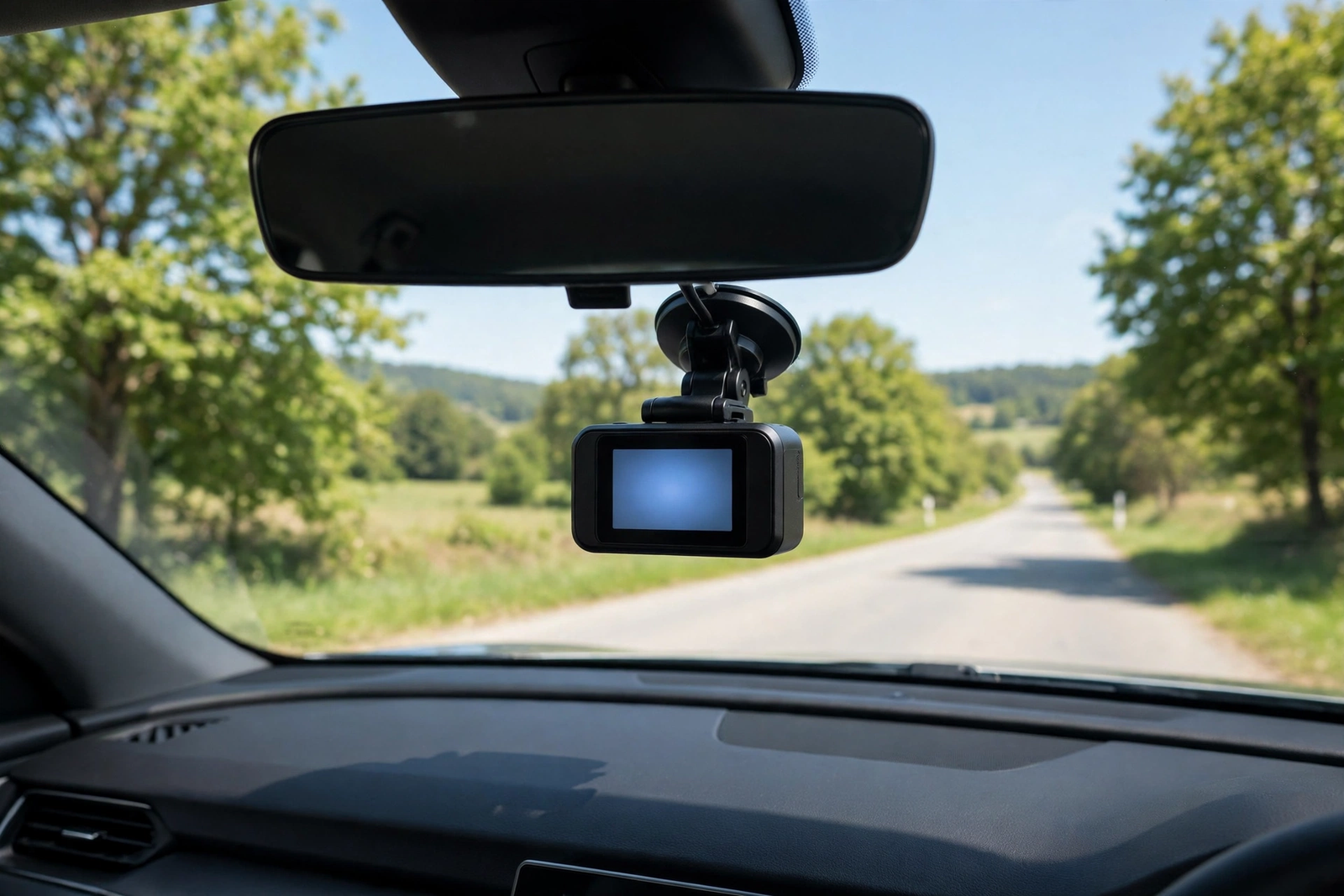
Most dash cameras just record. The Nextbase 622GW dash camera for car tries to do more: it records true 4K video, steadies the picture with image stabilisation, answers to Alexa, and — if you crash and cannot respond — its Emergency SOS feature can alert the emergency services with your location. It also carries what3words, which pins your position to a three-metre square even without a data connection, and a 3-inch touchscreen for framing shots and playing clips back on the camera itself.
In this review of the Nextbase 622GW dash camera for car, we cover what the 4K video actually looks like, how the safety features work, what night recording and parking mode really need, and what is missing from the box. We also compare it with the Garmin Dash Cam 67W and the ROVE R2-4K Dual, the two rivals most buyers shortlist next to it. One fact shapes the whole review: this standalone listing is a front-only camera — the rear camera is sold separately. The Quick Pick table below has the short version.
As an Amazon Associate I earn from qualifying purchases.
| Pick | Product | Why it stands out | Check Price |
|---|---|---|---|
| Overall Winner | Nextbase 622GW Dash Cam | True 4K front video, image stabilisation, Alexa, Emergency SOS and what3words | |
| Best Budget | Garmin Dash Cam 67W | 1440p through a 180-degree lens, voice control, GPS and a 16GB card included | |
| Premium Pick | ROVE R2-4K Dual Dash Cam | 4K front (upscaled) + 1080p rear, STARVIS 2 sensor, GPS and a 128GB card included |
Table of Contents
The Nextbase 622GW Dash Camera for Car: What It Is — and What It Is Not
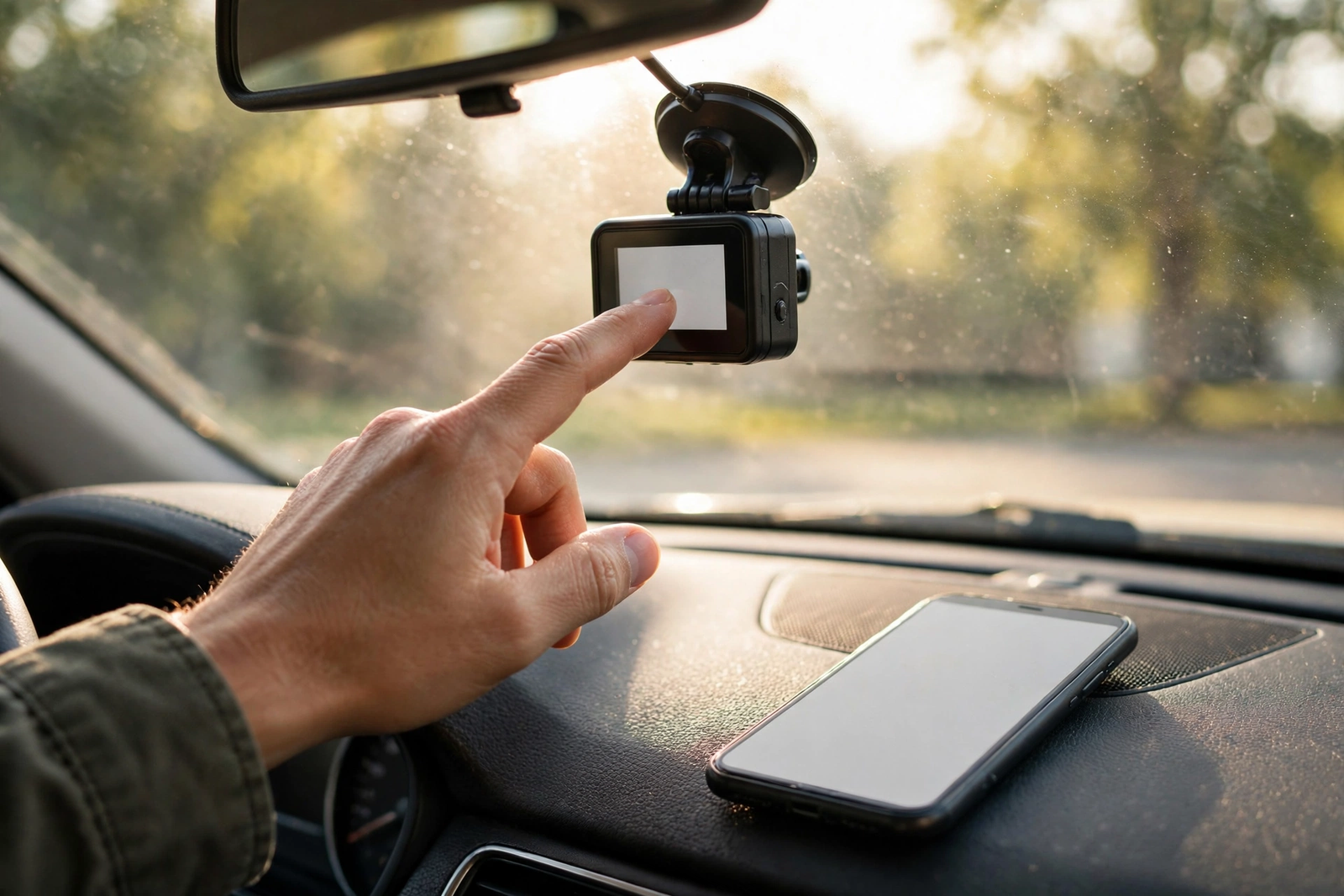
The 622GW is a single-channel front camera: one lens, one direction, one job. It mounts on the windshield on Nextbase’s Click&Go PRO GPS mount, starts recording automatically when the car powers up, and stamps the GPS location, date and time onto the footage. The 3-inch touchscreen covers framing, settings and playback without your phone, and the camera connects to the MyNextbase Connect app over dual-band Wi-Fi and Bluetooth 5.0. The 622GW is not one of the five picks in our dash cam dashboard camera roundup.
Just as important is what the 622GW is not. It is not a two-channel camera: the standalone listing covers the front only, and the wired rear window camera is a separate purchase. With that rear camera fitted, the setup records 4K up front and 1080p behind — but that is an add-on, not what you get on day one. It is also not a camera with a card in the box: the standalone retail box has no microSD card, so budget for one. The camera supports cards up to 256GB, and 64GB to 128GB cards are the recommended size.
Retailer listings describe a one-year manufacturer warranty, with two extra years when you register for Nextbase’s free Road Safety Club. Warranty terms vary by seller and region, so check the listing before you buy. The box is well stocked for fitting: the mount, a long power cable, a USB cable, a cable fitting tool and a spare adhesive pad are all included.
Video Quality: True 4K, Image Stabilisation and Slow Motion
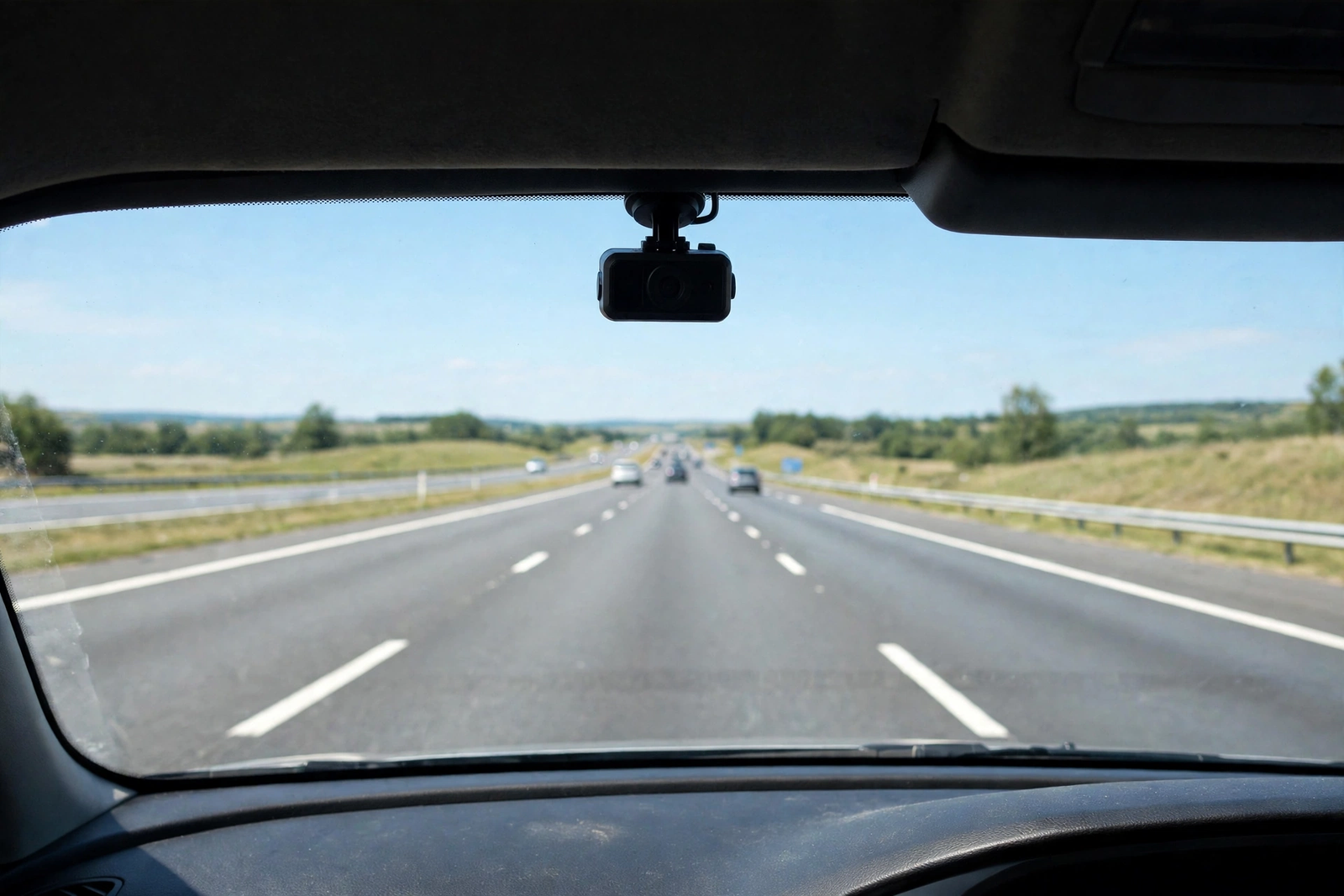
The headline spec is true 4K: 3840×2160 at 30 frames per second, from a 4K sensor — not an upscaled image stretched from a lower resolution. That matters, because the ROVE R2-4K Dual upscales its front 4K from a native 2.5K sensor. The 622GW also records 1440p at 60 frames per second and 1080p at 120 frames per second for super slow motion — the practical mode, since a plate that blurs past at full speed can stay readable frame by frame at 120 frames per second.
The lens is a 140-degree wide-angle with a fast f/1.3 six-layer glass design, gathering more light than the slower lenses on budget dash cameras. Image stabilisation steadies the picture on rough roads and over speed bumps, so the footage stays watchable instead of juddering with every pothole. The 140-degree field is narrower than the Garmin 67W’s 180-degree lens — a trade-off: the 622GW catches the road ahead and the adjacent lanes with less of the edge distortion ultra-wide lenses bend into the frame.
What 4K buys you in practice is room to crop. A plate that is small in the frame can be enlarged after the fact and still stay readable. The cost is file size: 4K footage fills a card faster than 1080p. Loop recording overwrites the oldest footage automatically, so the card never fills up — it just keeps the most recent hours of driving.
Emergency SOS, what3words and Alexa: The Smart Safety Kit
Emergency SOS is the feature that sets the 622GW apart from every other dash cam in this programme. If you crash and no movement is sensed afterwards, it can alert the emergency services with your location and the personal details you approved in advance. It works through the MyNextbase Connect app on your phone, so set it up before you need it. We could not verify from the sources we read whether Emergency SOS needs a subscription or any particular phone setup, so confirm that on the listing before you buy.
What3words is the second half of the same idea. It divides the world into three-metre squares, each identified by three words, and the 622GW was the first dash cam to build it in. Press the what3words button on the touchscreen and the camera shows your three-word address, which you can give to the emergency services. It works offline inside the 622GW, with no data connection needed.
Alexa is built in, and voice control runs through it. You can ask Alexa to control the camera, play music and make phone calls without taking your hands off the wheel. Saying the wake word followed by a command can also start Witness Mode, which sends an instant SOS message to a trusted contact to say you may need help. That is the 622GW’s real pitch: a device that can speak up for you when you cannot speak for yourself.
Night Vision and the 140-Degree Lens
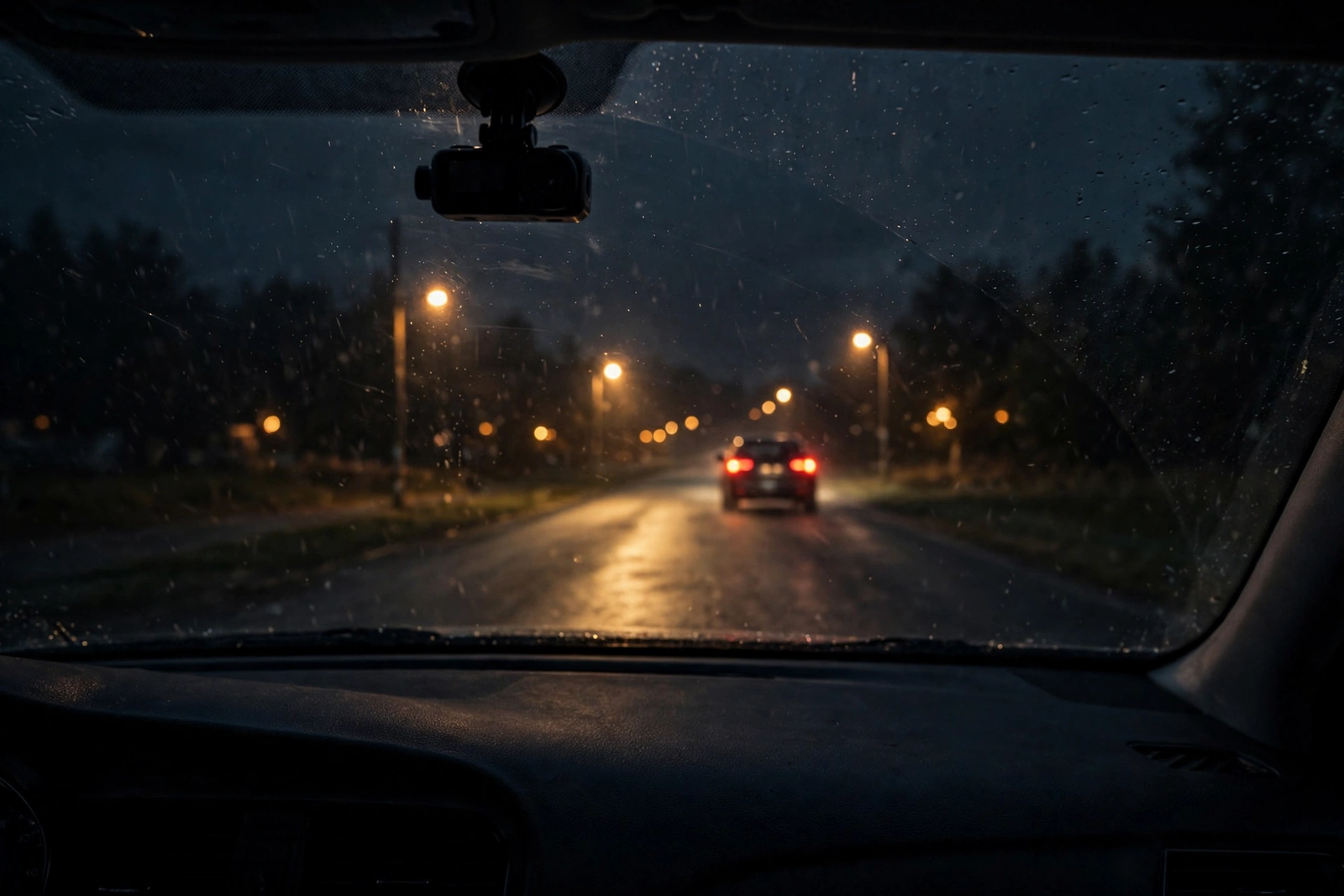
Night driving is where a dash cam earns its keep, and the 622GW approaches it with hardware. The fast f/1.3 lens lets in more light than the slower lenses on budget cameras, and the camera’s Enhanced Night Mode is designed for low-light recording. Nextbase’s spec table also lists wide and high dynamic range, which helps in high-contrast moments — driving out of a tunnel into bright sun, or facing oncoming headlights — by blending exposures so bright areas do not blow out while shadows stay visible.
The honest limit is that we have no hands-on test results and no measured low-light figures for this camera, so this review claims none. What the listed hardware is designed to do is keep night footage in colour longer, with less of the grainy look that makes cheap night recordings useless as evidence. A bright headlight in a dark frame is the classic dash-cam failure, and the 622GW’s fast lens and dynamic range give it a better chance of keeping both halves of a night scene readable.
Parking Mode and the Hardwire Kit
Parking mode is the 622GW’s most misunderstood feature. Intelligent Parking Mode is built in: while parked, the G-sensor stays active, and if it detects movement or impact the camera wakes up and records a 30-second protected video file. That sounds like out-of-the-box protection, but the power behind it is not. The manual recommends the separately sold hardwire kit for continuous power when the vehicle is off, and the kit connects to the fuse box so the camera can keep watch with the ignition off.
Without the kit, the camera behaves like most dash cameras: it starts when the car starts and stops when it stops, running off the included power cable while you drive. So the real cost of parking mode is the kit plus installation. If a parked-car hit-and-run is your main worry, budget for the kit from day one. The same warning applies to both rivals here: the Garmin 67W’s Parking Guard needs its own Constant Power Cable and Wi-Fi in range, and the ROVE R2-4K Dual’s parking mode also needs a hardwire kit. None of the three watches a parked car out of the box.
Nextbase 622GW vs the Alternatives (Garmin 67W, ROVE R2-4K Dual)
The Garmin Dash Cam 67W is the simpler, wider-angled alternative. Our Garmin 67W review covers it in full: 1440p through an extra-wide 180-degree lens, Garmin Clarity HDR, voice control, GPS, a 2-inch screen and a 16GB card already in the box. Like the 622GW it is a single-channel front camera, hiding behind the mirror and just recording. It cannot do what the 622GW does — no Emergency SOS, no what3words, no Alexa, no 4K — but its wider lens catches more cross traffic at an intersection.
The ROVE R2-4K Dual is the coverage alternative. Our ROVE R2-4K Dual review covers it in full: 4K up front (upscaled from a native 2.5K sensor) plus 1080p behind, a Sony STARVIS 2 sensor, a 3-inch touchscreen, dual-band Wi-Fi, a supercapacitor and a 128GB card included. If a rear-end collision is your main fear, the ROVE watches both directions and the 622GW does not, unless you buy the rear camera separately. The ROVE is also the better heat bet: its supercapacitor tolerates a sun-baked windshield better than a battery design.
The choice is about what you are buying the camera for. Among the best dash cams for a safety-first buyer, the 622GW’s Emergency SOS and what3words are differentiators no rival here matches — it is the only one of the three that can call for help. The Garmin wins on simplicity and the widest view. The ROVE wins on coverage and included storage. If you drive alone, at night, or on long empty roads, the 622GW’s safety kit is worth more than a second channel. If you mostly drive in city traffic, the rear view probably matters more.
Who Should Buy It — and Who Should Skip It
Buy the 622GW if you want a dashcam for cars with front-only 4K and a safety net built in. It suits lone drivers, night drivers, and anyone who wants the camera to speak up after a crash. The touchscreen, Alexa voice control and app make it easy to live with, and the true 4K recording gives you the clearest front footage of the three cameras in this review.
Skip it if you need rear coverage in the box — the ROVE R2-4K Dual covers both directions from day one, and the 622GW only gets there with a separate purchase. Skip it too if you want a memory card included, or if you will not set up the app and SOS: without that setup, the 622GW is an expensive way to buy a front camera. Skip parking mode too unless you will buy and fit the hardwire kit — without it, this is a driving recorder only.
Verdict
The Nextbase 622GW dash camera for car is the safety-first pick among single-channel 4K cameras: true 4K recording, image stabilisation, a 3-inch touchscreen, Alexa voice control, and the Emergency SOS and what3words combination no rival in this programme matches. Its limits are equally clear: the rear camera is sold separately, no memory card comes in the box, and parking mode costs extra. Accept those three facts — and set up the SOS features in the app before you need them — and this is a strong buy; if any of them is a deal-breaker, the alternatives above are the honest next step.
Frequently Asked Questions
Does the Nextbase 622GW come with a rear camera?
No. The standalone listing is a front-only camera, and the wired rear window camera is sold separately. With that rear camera fitted, the setup records 4K up front and 1080p behind. If you want rear coverage from day one, buy the rear camera with the 622GW or choose a two-channel camera instead.
Is a memory card included with the Nextbase 622GW?
No. The standalone retail box has no microSD card, so budget for one. The camera supports cards up to 256GB, and 64GB to 128GB cards are the recommended size. For 4K recording, Nextbase recommends a U3-rated card, and a larger card holds more driving history before loop recording starts overwriting the oldest footage.
Does Emergency SOS need a subscription?
We could not verify this from the sources we read. Emergency SOS works through the MyNextbase Connect app on your phone, and you set it up in the app with your location and the personal details you approve in advance. Confirm whether a subscription or any particular phone setup is needed on the listing before you buy, and set it up before you need it.
Does parking mode work out of the box?
Not fully. Intelligent Parking Mode is built in and the G-sensor stays active while the car is parked, waking the camera to record a 30-second protected video file if it detects movement or impact. But the manual recommends the separately sold hardwire kit for continuous power when the vehicle is off, so budget for the kit if parked-car protection matters to you.
What video modes does the Nextbase 622GW record?
The 622GW records true 4K at 30 frames per second, 1440p at 60 frames per second, and 1080p at 120 frames per second for super slow motion. The lens is a 140-degree wide-angle with a fast f/1.3 six-layer glass design, and image stabilisation steadies the picture on rough roads.
Should I buy the Nextbase 622GW or the ROVE R2-4K Dual?
Buy the Nextbase 622GW if you want the safety kit — Emergency SOS, what3words and Alexa — with true 4K front recording and a 3-inch touchscreen. Buy the ROVE R2-4K Dual if you want two-channel coverage from day one, with 1080p behind, a Sony STARVIS 2 sensor, a supercapacitor and a 128GB card included. If you want the simplest camera of the three, the Garmin 67W records 1440p through a 180-degree lens with a 16GB card in the box.