
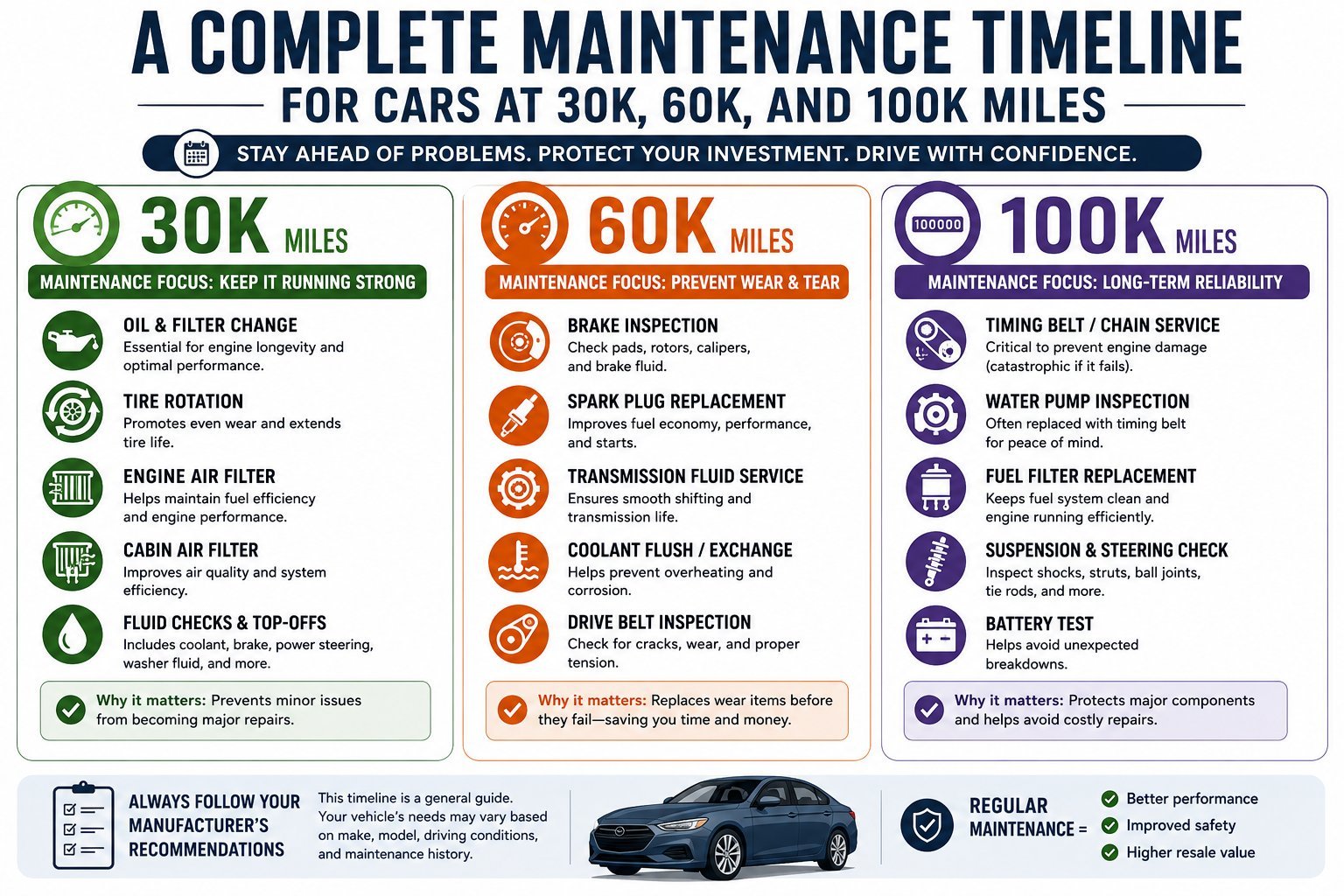
A maintenance checklist keeps your vehicle safe. You’ll need a tire gauge and a rag to start.
Tools for your maintenance checklist
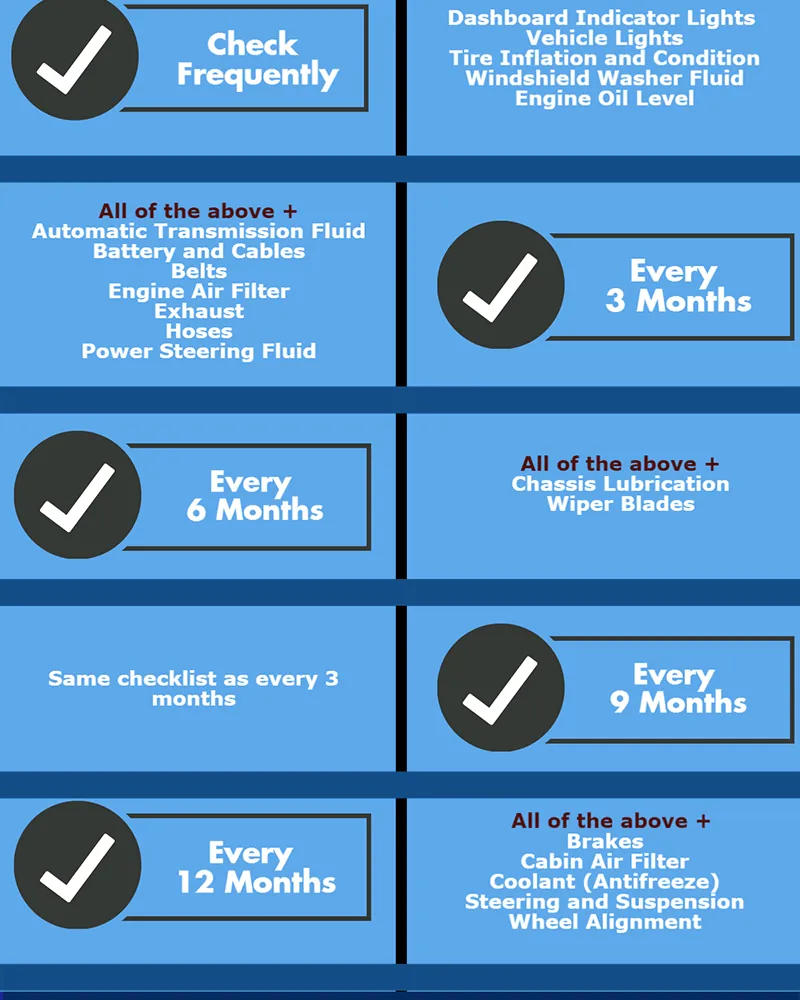
You don’t need a mechanic’s lift to check basic health. Most items on a standard car maintenance checklist require simple hand tools or just your eyes.
| Item | How much | Why it’s needed | A substitute |
|---|---|---|---|
| Tire pressure gauge | One unit | Checks air pressure accurately | None — don’t swap this |
| Clean microfiber rag | One piece | Wipes dipsticks for clear reading | Paper towel, but lint risks |
| Flashlight | One unit | Illuminates dark engine bay areas | Phone light, but less bright |
| Owner’s manual | One copy | Lists specific fluid types and caps | None — don’t swap this |
| Disposable gloves | One pair | Keeps hands clean from grease | None — don’t swap this |
| Windshield washer fluid | One bottle | Refills reservoir if level is low | Water, but freezes in winter |
Safety steps before checking
Safety comes first. Park on a flat surface to prevent rolling. Engage the parking brake firmly. Wait 15 minutes for the engine to cool. Hot radiator caps cause severe burns. If you see steam or smell burning, don’t open the hood. Call a professional instead.
Step by step inspection
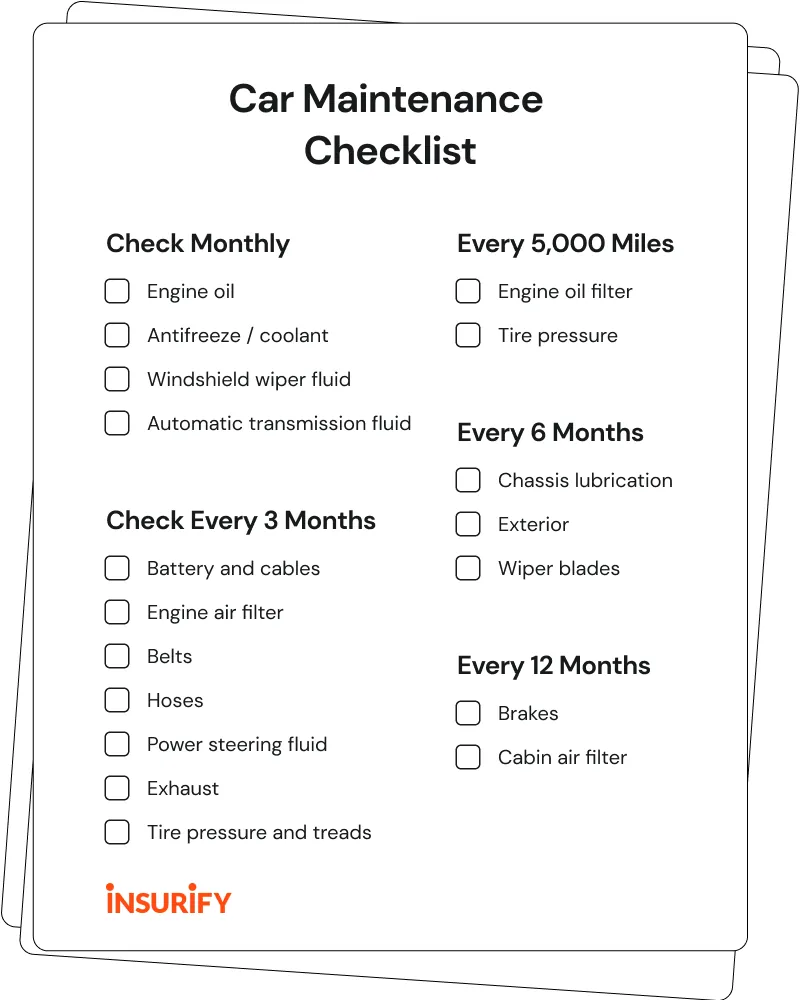
Follow these steps to avoid missing systems. Each action builds on the last to give a full picture of your car’s health.
-
Open the hood and secure the latch. Locate the oil dipstick, pull it out, and wipe it clean with your rag. Reinsert it fully, then pull it out again to check the level. The oil should sit between the two marker lines. If it’s below the bottom line, add the recommended oil type slowly.
-
Find the coolant reservoir, usually a translucent plastic tank. Check the level against the “min” and “max” marks on the side. Don’t open the cap if the engine is warm. If the level is low, top it up with the correct coolant mix specified in your manual.
-
Locate the brake fluid reservoir near the back of the engine bay. Ensure the fluid level is near the “full” line. Dark or cloudy fluid means it needs changing by a pro. Clear or amber fluid is normal. If it’s low, check for leaks or worn brake pads immediately.
-
Check the windshield washer fluid reservoir. Lift the cap and look inside. If it’s empty, pour in washer fluid until it reaches the neck. Don’t use plain water in freezing weather, as it will freeze and block the system or damage the pump. Use a de-icer mix in winter months.
-
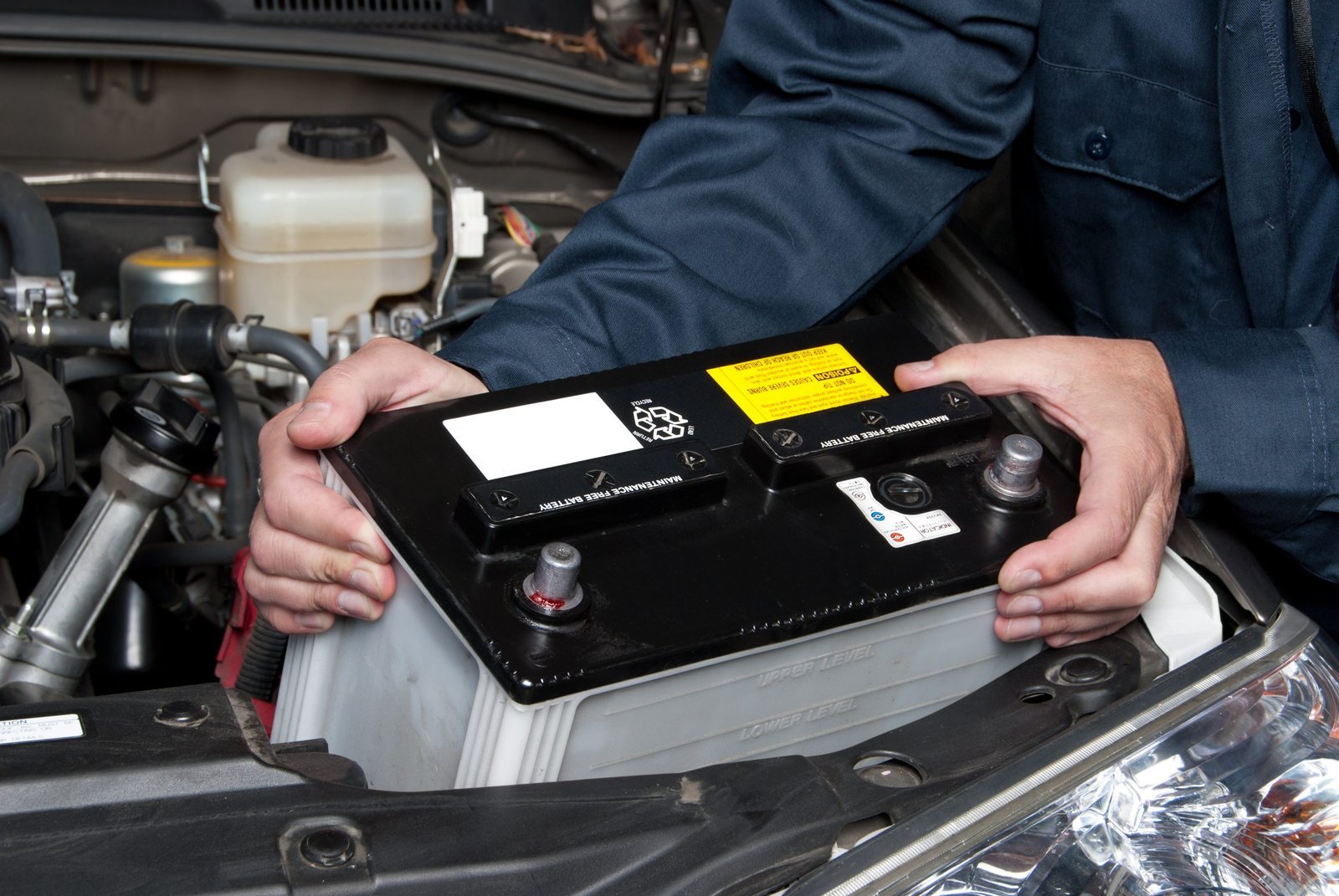
Inspect the battery terminals for white or green corrosion. If you see buildup, disconnect the negative terminal first, then the positive. Clean the posts with a wire brush and reconnect them tightly. A loose connection causes starting issues and electrical glitches. Ensure the battery hold-down clamp is secure.
-
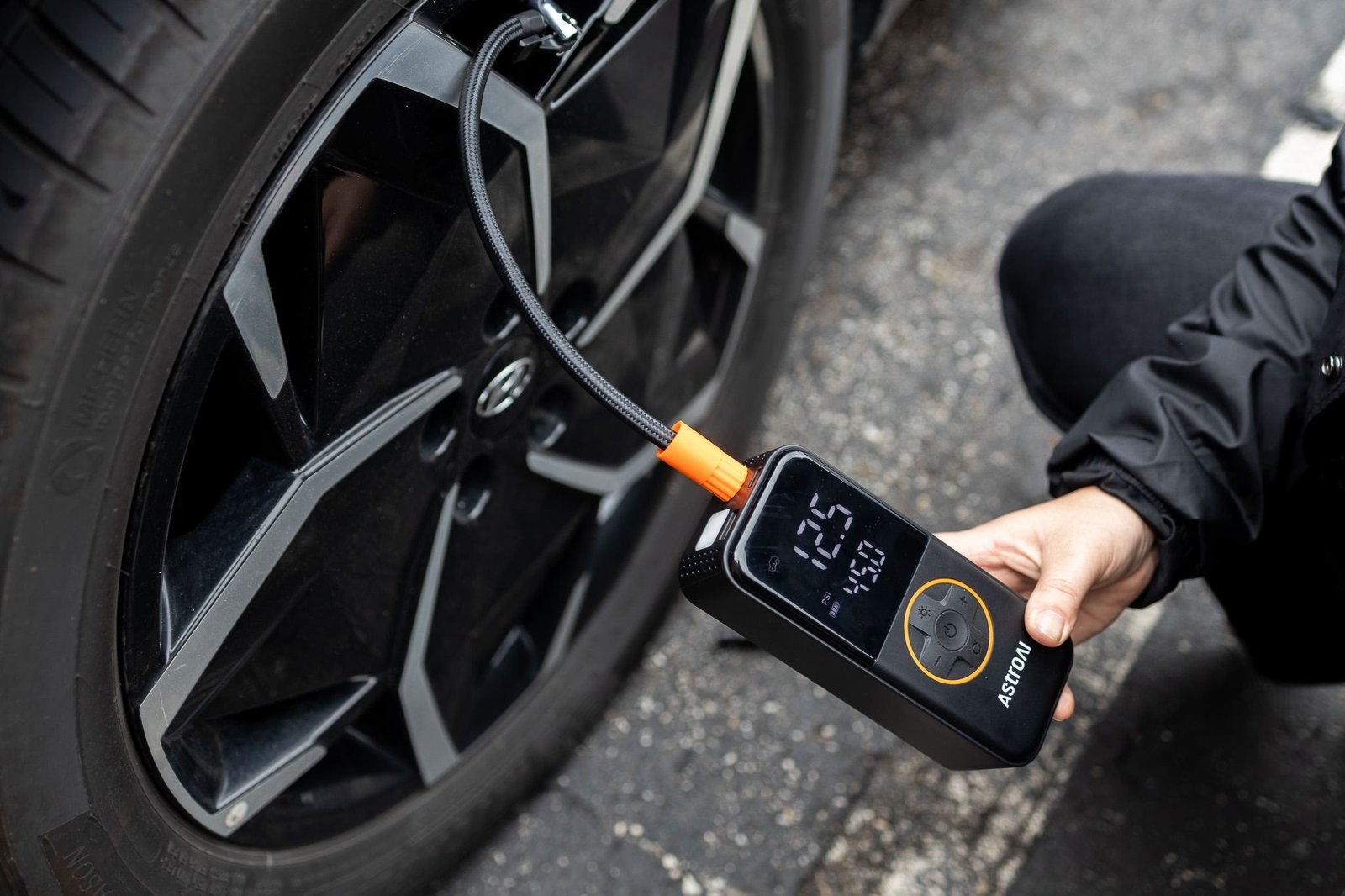
Walk around the car to inspect all four tires. Look for cuts, bulges, or objects stuck in the tread. Use your tire gauge to check pressure when tires are cold. Compare the reading to the sticker inside the driver’s door jamb, not the tire sidewall. Adjust air as needed.
-
Turn on your headlights, high beams, and turn signals. Have a friend stand outside to confirm they work. Check brake lights by pressing the pedal while someone watches the rear. Replace any burnt-out bulbs immediately to stay legal and visible.
-
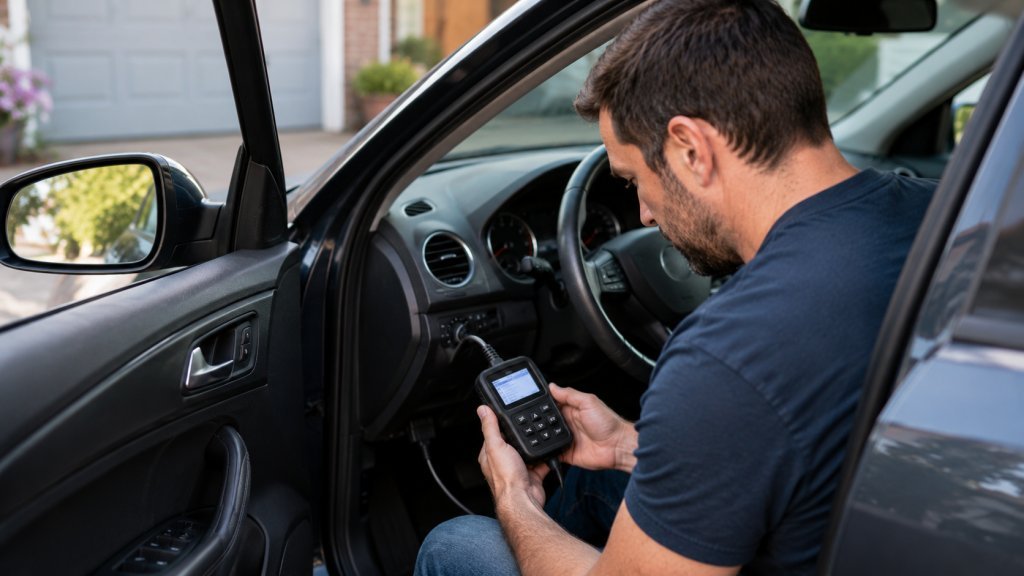
Sit in the driver’s seat and start the engine. Listen for unusual squeals or grinding noises. Check the dashboard for warning lights that stay on. Test the horn and wipers. If the steering feels loose or vibrates, note it for a mechanic.
Signs of good maintenance
You know the job is done when all fluids sit within their marked ranges. All lights function without flickering. The engine starts smoothly and idles quietly.
Common car check problems
Issues arise when parts wear out or fluids degrade over time.
| What happened | Why | What to do |
|---|---|---|
| Oil level is low | Engine burn-off or small leak | Top up oil; monitor weekly |
| Coolant is rusty | Old fluid or internal corrosion | Flush system; inspect for leaks |
| Brake fluid is dark | Moisture absorption over time | Have brakes flushed by pro |
| Tire pressure drops | Slow puncture or temperature change | Inspect tread for damage; inflate to recommended cold pressure |
| Battery terminals corroded | Acid vapor leakage or age | Clean terminals; test battery voltage |
How often to check cars
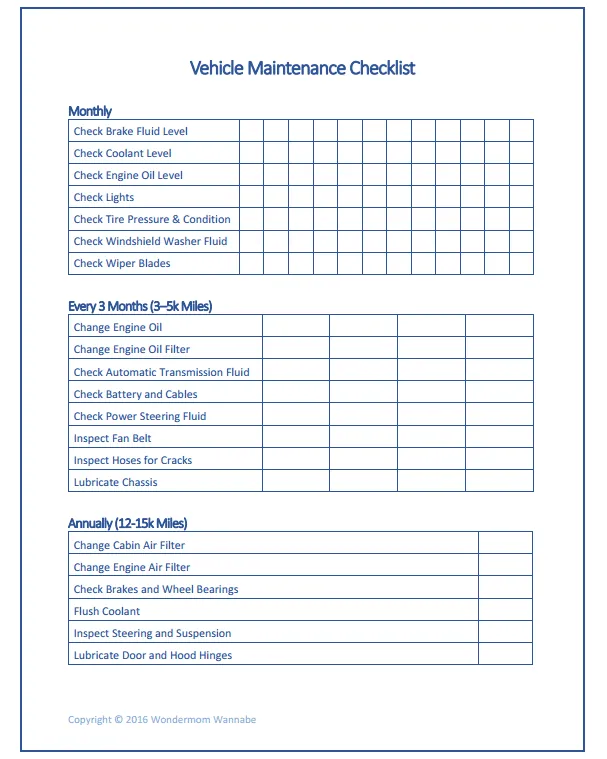
Check tire pressure and visual fluids regularly; consult your owner’s manual for the schedule. If you drive in extreme heat or heavy traffic, check fluids more frequently. Severe conditions stress engines more than highway driving. Always follow the severe service schedule in your manual if you tow or haul loads.
Related guides
Frequently asked questions
How long does a car check take?
A basic visual inspection takes 20-30 minutes. Fluid top-offs add ~10 minutes. Don’t rush safety checks.
Is it safe to check oil hot?
No, wait 15 minutes after driving. Hot oil gives false readings and burns skin. Letting the engine cool ensures the oil drains back into the pan for an accurate measure.
What happens if I ignore low coolant?
The engine overheats and warps components. This causes costly repairs or engine failure. Always keep the reservoir filled to the max line with the correct mixture.
Does tire pressure change with weather?
Pressure drops ~1 PSI per 10°F drop. Check tires more often in winter. Cold air contracts, making tires appear underinflated even if they were fine yesterday.
Can I use any oil for my car?
No, use only the viscosity grade listed in your owner’s manual. Wrong weight causes poor lubrication and damage. Check the manual for specs like 5W-30.
Why is my brake fluid dark?
Brake fluid absorbs moisture from the air over time. Water lowers the boiling point and causes corrosion. Dark fluid needs a professional flush.
How often should I check battery terminals?
Inspect terminals every six months for corrosion. Powder blocks electrical flow. Clean them with a baking soda solution if you see buildup. Tight connections prevent unexpected no-start situations.
Conclusion
Keep this list in your glove box for quick reference. It’s easy to forget small details when you’re busy, so let the paper remind you. Your car will thank you with smooth rides and fewer surprises. You’ve got this, and your vehicle will stay reliable for years to come.
One thought on “Car Maintenance Checklist”