A Level 2 charger with a NEMA 14-50 plug is the best home EV charger for garage because it charges fast and fits most electrical setups.
Home charger speed and cost for your garage
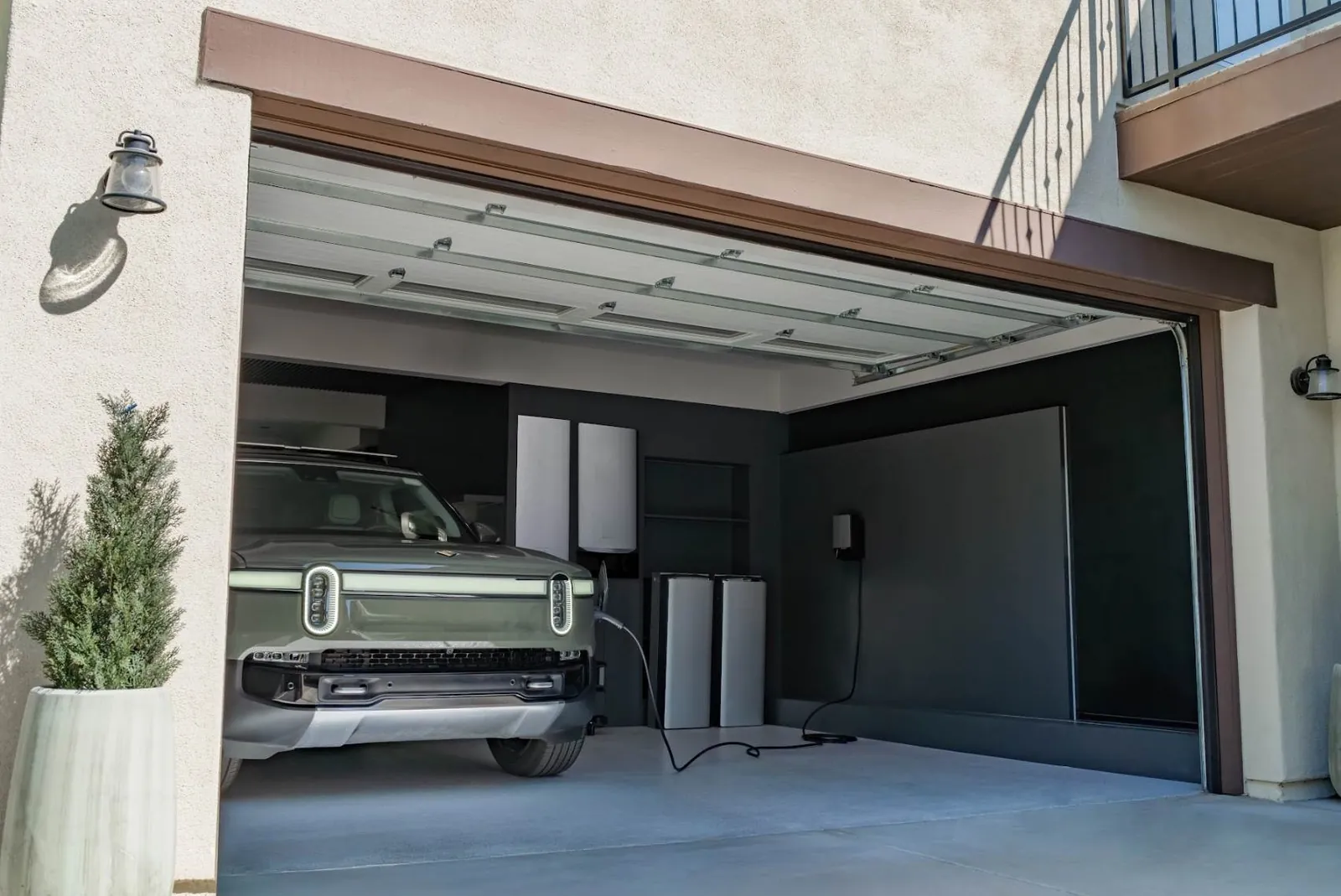
You have three main ways to charge an electric vehicle at home.
| Method | How long | Effort | Cost | Best for |
|---|---|---|---|---|
| Level 1 (Standard Outlet) | 30+ hours | Low | Low | Emergency top-ups |
| Level 2 (Hardwired) | 4-8 hours | High | High | Permanent installs |
| Level 2 (Plug-in) | 4-8 hours | Medium | Medium | Most garage owners |
| DC Fast Charger | 30 mins | Very High | Very High | Commercial use |
Level 1 charging uses the standard wall outlet you already have. DC fast chargers are too powerful and expensive for typical residential use.
Using a plug-in Level 2 unit
This method gives you fast charging without permanent changes to your walls. You buy a unit that plugs into a special 240-volt outlet, similar to what a clothes dryer uses.
- Hire a licensed electrician to install a NEMA 14-50 outlet in your garage.
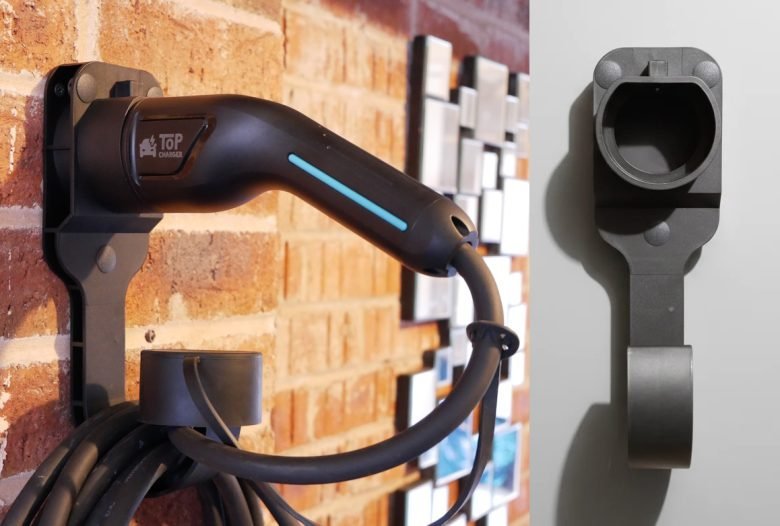
- Mount the charging station on the wall or use a portable stand.
- Plug the unit into the new outlet and secure the cable management hook.
- Connect the charging handle to your vehicle’s port.
- Have a qualified technician set the amperage on the unit to match your car’s limit.
This method is good because you can take the charger with you if you move.
Installing a hardwired charger
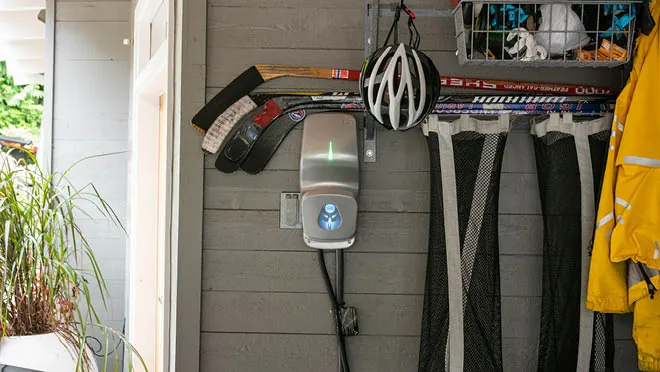
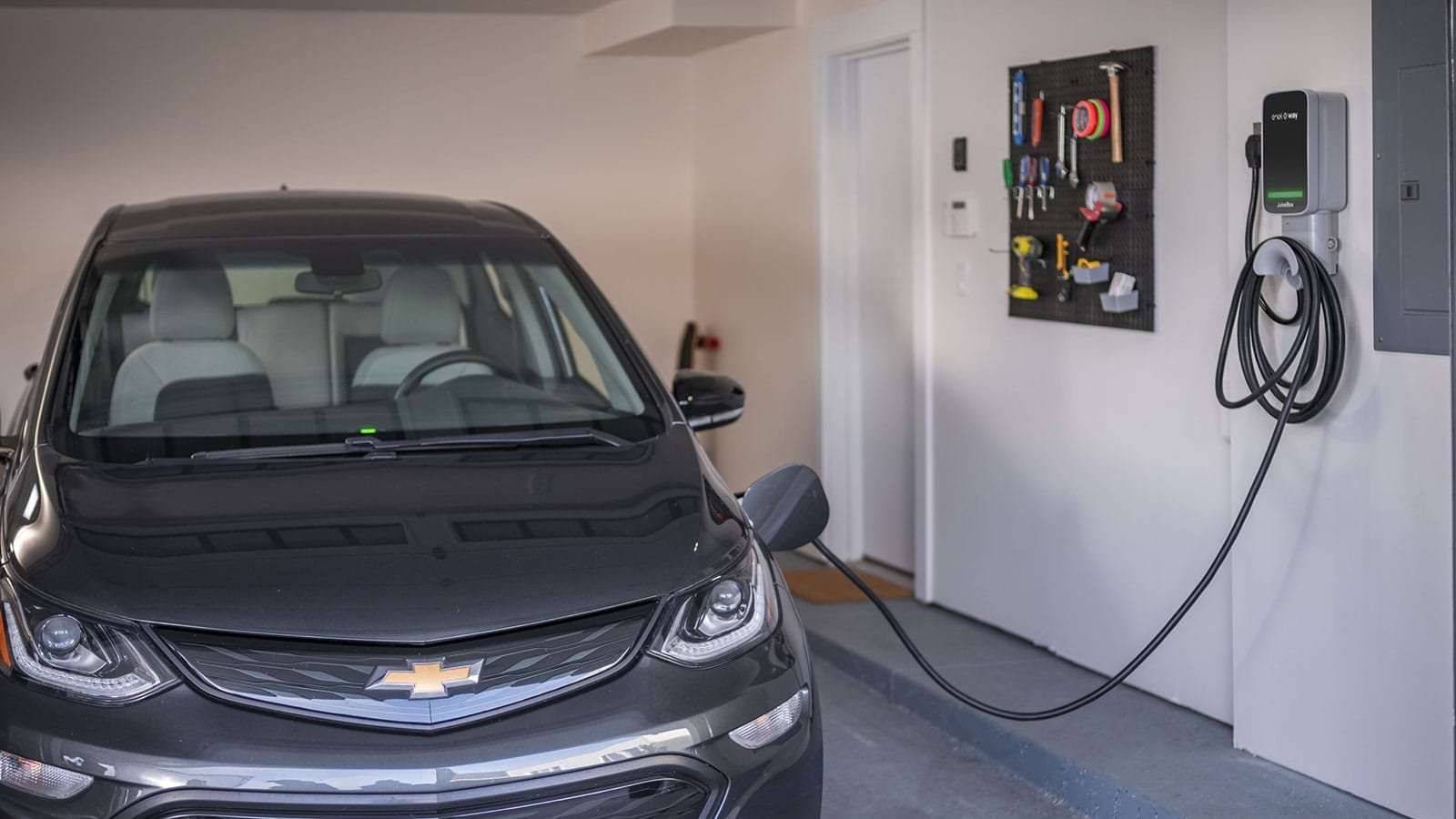
A hardwired charger connects directly to your home’s electrical panel without a plug. This looks neater and reduces the risk of loose connections causing heat issues.
- Turn off the main power at your electrical panel.
- Run a dedicated circuit breaker and wire from the panel to your garage wall.
- Mount the charger base and feed the wires through the back conduit.
- Connect the wires to the terminal block inside the charger according to the manual.
- Restore power and test the unit with your vehicle.
This method is strong because it handles higher power levels safely and looks professional.
Choosing a portable Level 1 charger
Some drivers use the cord that comes with their car. This plugs into a regular 120-volt household outlet.
- Find a standard three-prong outlet in your garage.
- Ensure the outlet is on a dedicated circuit if possible to avoid tripping breakers.
- Plug the mobile connector into the outlet.
- Connect the other end to your car.
- Let it charge overnight for 12 to 20 hours.
This is good because it costs nothing extra and works anywhere.
Picking the right charger type
Your situation decides which method saves you the most trouble. If you rent your home or plan to move within two years, choose the plug-in Level 2 unit. It offers speed without permanent construction, and you can unplug it when you leave.
When you want the best possible result and plan to stay in your home for many years, choose the hardwired Level 2 charger. The trade-off is higher upfront labor cost, but you gain reliability and maximum charging speed for future electric vehicles with larger batteries.
Safety rules for garage charging
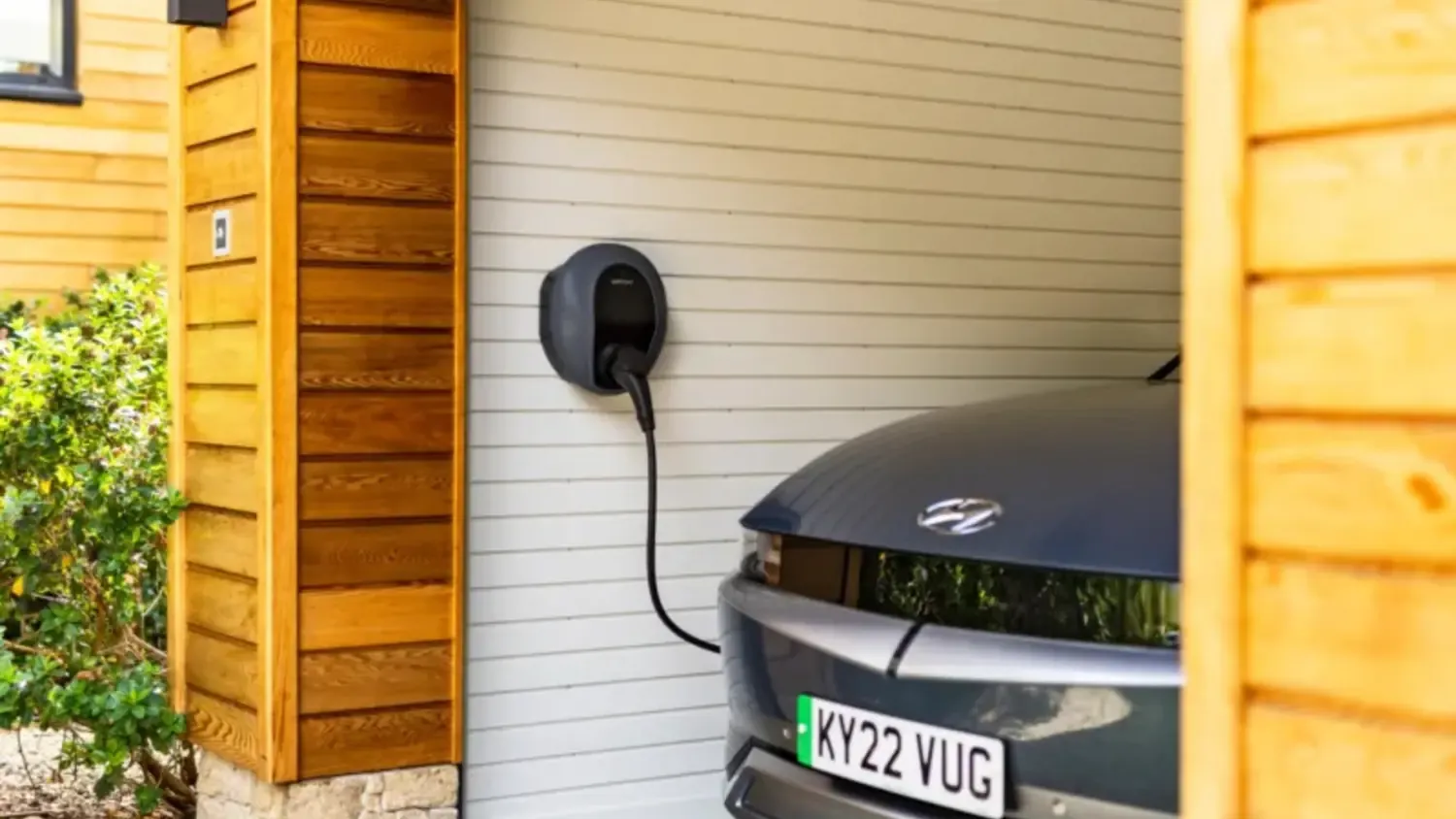
Electrical safety matters more than speed when you set up your garage.
Keep the charging area clear of flammable items. If the plug feels hot to the touch after charging, stop using it immediately and call an electrician. Heat means a loose connection, which is a major fire risk.
End the installation by testing the ground fault protection. Most modern chargers have this built in, but you should verify it works. Press the test button on the unit if it has one. If the power doesn’t cut off, the unit is defective. Return it and don’t use it. This simple check prevents shock hazards in damp garage environments.
Related guides
Frequently asked questions
How long does it take to charge an EV?
A Level 2 charger takes 4 to 8 hours for a full charge. This assumes a standard 60 kWh battery and a 40-amp charger. Larger batteries or lower amperage settings will increase this time significantly. Check your vehicle’s manual for its specific acceptance rate.
Is it safe to charge in a cold garage?
Yes, it’s safe. Modern EVs and chargers manage battery temperature automatically. The car may warm the battery before accepting a full charge. This uses some energy but protects the battery health. Keep the charger itself dry and free of ice buildup.
Can I use an extension cord for my EV?
No, never use a standard extension cord. They can’t handle the high current and will melt or catch fire. Only use the cable provided with the charger. If you need more reach, buy a longer official charging cable or move the unit closer to the car.
What happens if I plug into a regular outlet?
You’ll get a very slow charge, adding only 3 to 5 miles per hour. This is fine for low-mileage drivers. However, it may trip your breaker if other appliances run on the same circuit. Use a dedicated outlet if possible to avoid power interruptions.
Do I need a permit for installation?
Yes, most local building codes require a permit for new 240-volt circuits. Your electrician usually handles this process. Skipping the permit can cause issues when you sell your home. It also ensures the work meets safety standards for insurance purposes.
Why does my charger stop working sometimes?
It may be a software glitch or a loose connection. Restart the charger by turning off the breaker for 30 seconds. If it persists, check for error codes in the app. If the issue continues, contact the manufacturer support team for troubleshooting steps.
Conclusion
You’ll love waking up to a full battery every morning. Just double-check your garage’s wiring with a pro before you buy. It’s a small step that keeps everything safe and smooth. Soon, you’ll be ready for any road trip without worrying about finding a plug.