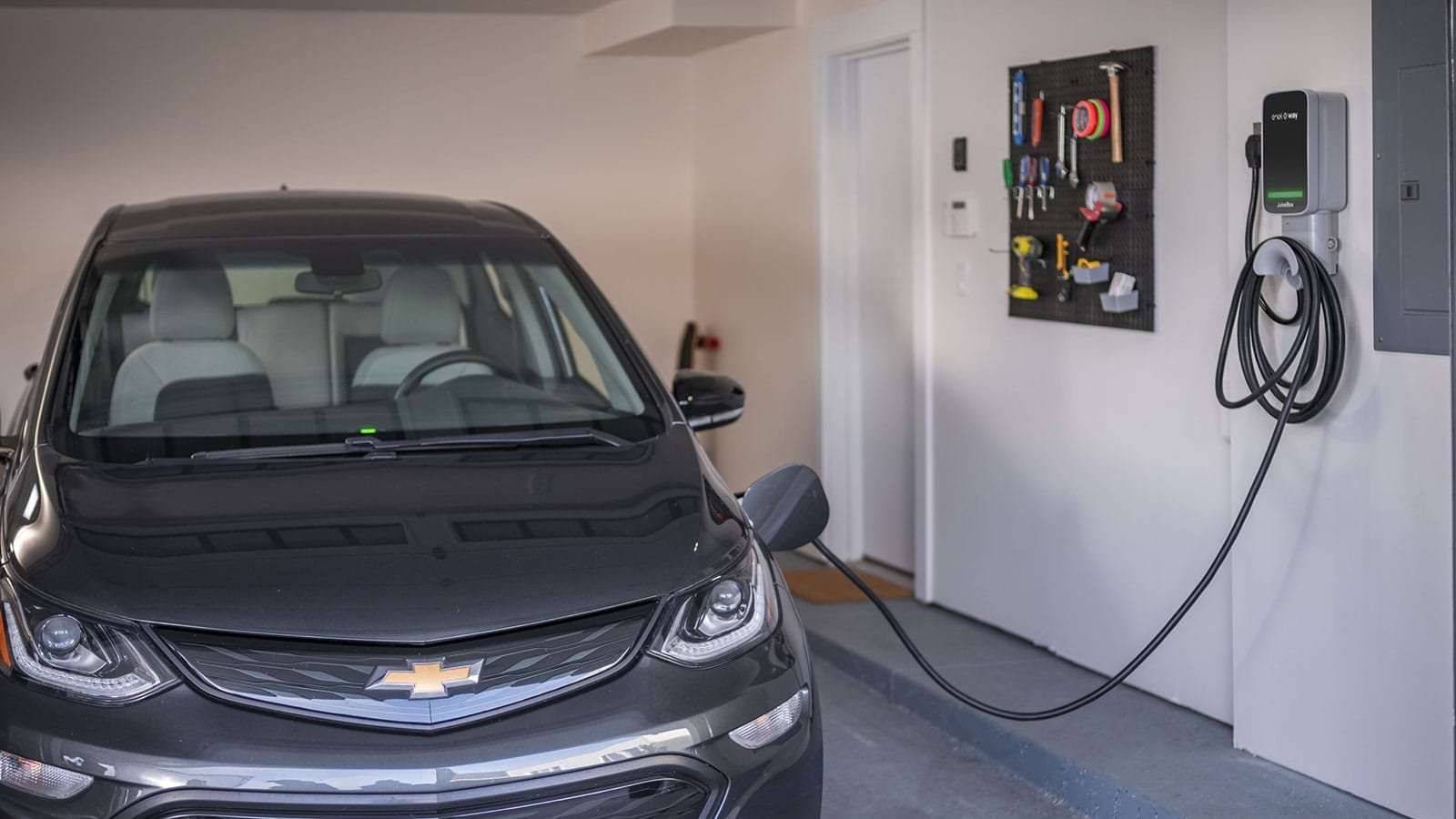
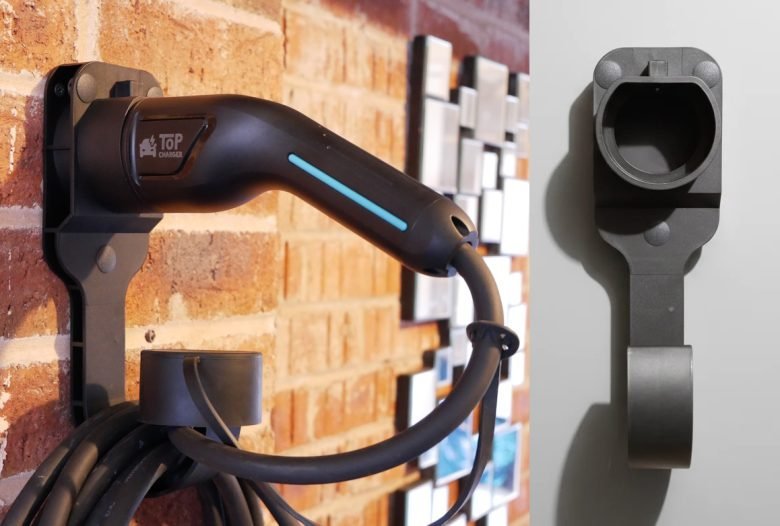
A wall hook, a reel, or a storage bag is the best EV charging cable organizer for most drivers. These three types solve the same problem of keeping your heavy cord off the ground. They differ in how much effort you must spend to put the cable away after every charge.
Best charging cable organizer picks
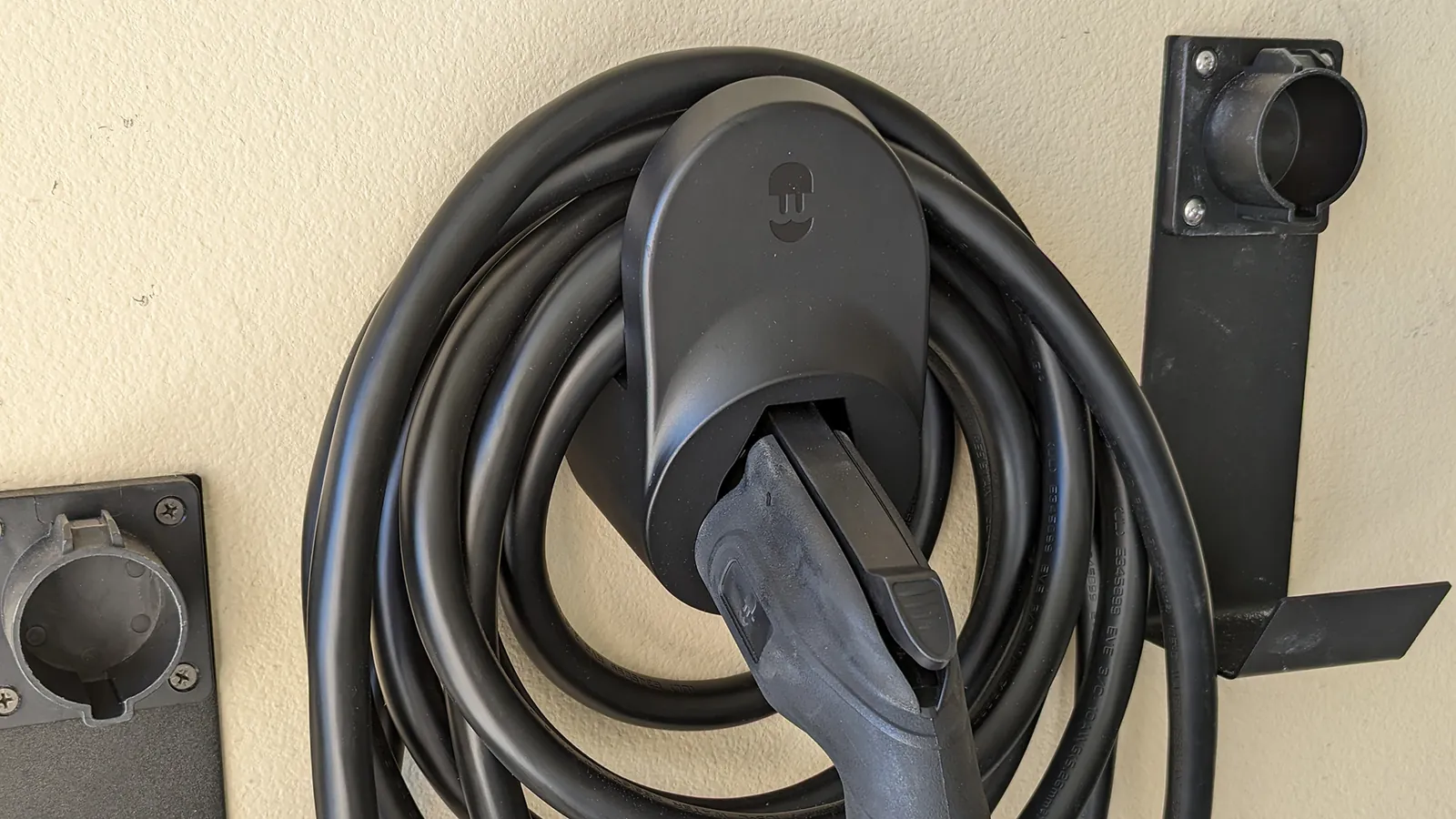
You need a system that matches your garage layout and your patience level. The right choice keeps the connector clean and prevents trips over loose wires. This table compares the most common solutions available today.
| Storage Type | Best For | Concrete Example |
|---|---|---|
| Wall Hook | Quick access | Heavy-duty J-hook on stud |
| Cable Reel | Neat appearance | Retractable spring-loaded drum |
| Storage Bag | Portability | Zippered canvas carry case |
| Floor Stand | No drilling | Weighted base with coil arm |
| Overhead Pulley | High ceilings | Rope and cleat system |
Wall mounted hooks
A simple hook is the most reliable way to store your charging cable. It suits drivers who want zero maintenance and fast connection times. You just hang the cable and walk away.
- Keeps the connector off dirty garage floors
- Requires no moving parts to break
- Allows air circulation around the wet cable
This works best if you park in the same spot every night. Install a heavy-duty J-hook into a wall stud at chest height. Hang the cable in a loose loop so the weight doesn’t strain the internal wires.
Retractable cable reels
A reel winds the cable inside a protective case automatically. It suits people who hate seeing loose wires on their walls. The mechanism pulls the cord back when you release it.
- Protects the cable from dust and oil
- Saves significant floor and wall space
- Prevents the cable from dragging behind cars
Choose this if you have a small garage or shared driveway. Mount the box securely to a solid surface. Pull out only the length you need for your port. Ensure the internal spring mechanism is rated for the heavy weight of an EV cable.
Portable storage bags

A bag lets you take your charging equipment anywhere. It suits renters or drivers who charge at multiple locations. You store the cable and connector in a zippered pouch.
- Shields the plug from rain and snow
- Fits easily in a trunk or back seat
- Keeps the car interior free of clutter
This option requires you to unpack and repack every time you charge. Use a bag with a rigid bottom to support the heavy brick. Check the manufacturer’s manual for storage temperature limits. Extreme heat inside a closed car can damage the cable insulation over time.
Common setup mistakes
Many drivers wrap the cable tightly around their arm or a small post. This creates sharp bends that break the copper wires inside. A broken wire means your charger stops working completely.
Replace the expensive cable instead of trying to tape it. Always coil the cable in large loops wider than your hand. This reduces stress on the internal components. If you hear cracking sounds when you move the cord, inspect it for damage immediately.
Other storage methods
- Freestanding floor rack: Good for concrete floors where you can’t drill holes. It holds the coil on a vertical arm.
- Overhead pulley system: Ideal for high garage ceilings. It lifts the heavy cable up and out of the way using a rope.
- Velcro straps: Useful for securing loose ends on any hook. They prevent the cable from slipping off during vibration.
Choosing the right organizer
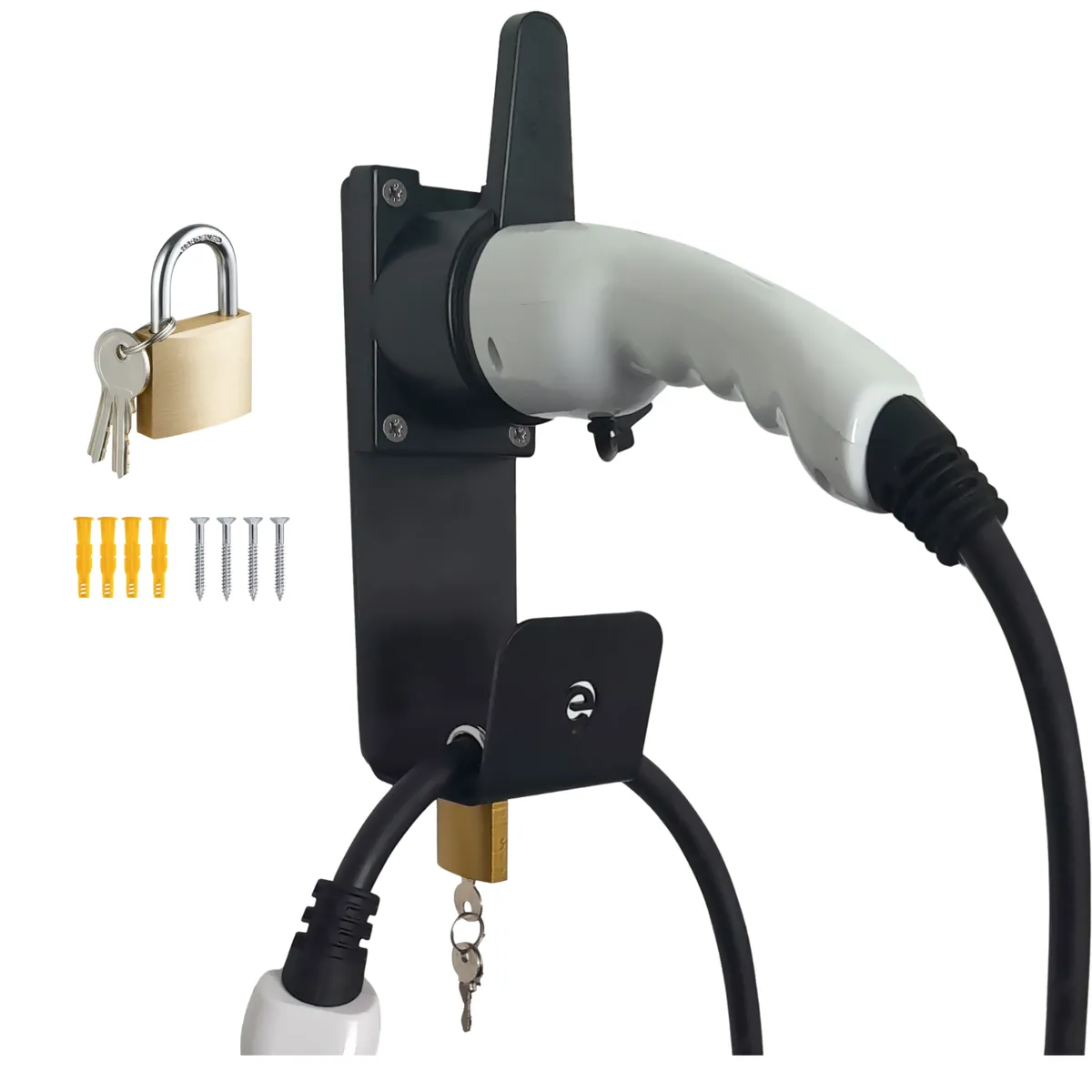
Your choice depends on your garage structure and daily habits. If you own your home and park in one spot, install a wall hook. It’s cheap and lasts forever. If you rent or move often, buy a portable storage bag. It travels with you and protects the gear in transit.
If you hate visual clutter, a retractable reel keeps everything hidden. However, reels cost more and have moving parts that can fail. You can’t combine a wall hook with a reel easily. Pick the one method that fits your routine. Check your vehicle manual for specific cable handling warnings.
Frequently asked questions
Can I leave my EV cable outside?
No, most cables aren’t waterproof enough for permanent outdoor exposure. Rain and UV light degrade the rubber jacket over time. Store it in a shed or garage when not in use.
How long do EV charging cables last?
A well-maintained cable can last for many years. The lifespan depends on how often you bend it and the storage temperature. Inspect the plug pins regularly for burn marks or corrosion.
Is it safe to hang the cable by the plug?
No, never hang the cable by the connector head. The weight stresses the electrical contacts and can cause arcing. Always support the weight using the cable body or a dedicated loop.
What happens if the cable gets wet?
Dry the cable thoroughly before plugging it in. Water in the connector can cause a short circuit or trip the breaker. Wipe it with a dry cloth and let it air dry.
Does the cable weight matter for storage?
Yes, EV cables are very heavy compared to phone chargers. A weak hook will pull out of drywall quickly. Anchor your storage solution into a wooden stud or use heavy-duty masonry screws.
Can I coil the cable tightly?
No, tight coils damage the internal wiring. Wrap the cable in loose loops about the size of a dinner plate. This prevents kinks and extends the life of the conductor.
Conclusion
Start by installing a sturdy wall hook in your garage today. You’ll see immediate improvement in your parking space cleanliness. Stop using the organizer if the cable shows signs of fraying or exposed wires.