For most drivers, a compact 12V cordless inflator is the best portable tire inflator for cars because it balances speed with easy storage. You only need a different type if you run heavy-duty trucks that require higher air volume.
Comparing top car tire inflators
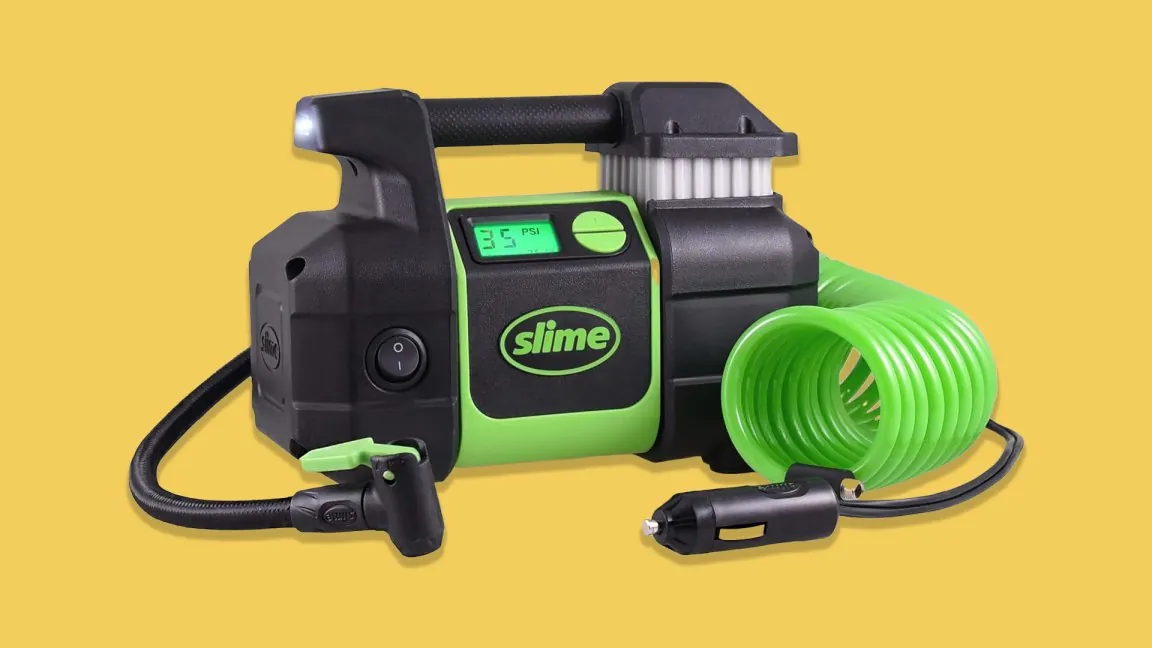
You have three main ways to fill your tires when away from a gas station. Each option changes how much time you spend waiting and how much effort you use. The table below shows the real differences between these common tools so you can pick the right one.
Cordless units win on convenience but cost more upfront. Wired models are cheaper but limit where you can park relative to your car. Hand pumps work without power but take too long for most people.
Using a battery-powered inflator
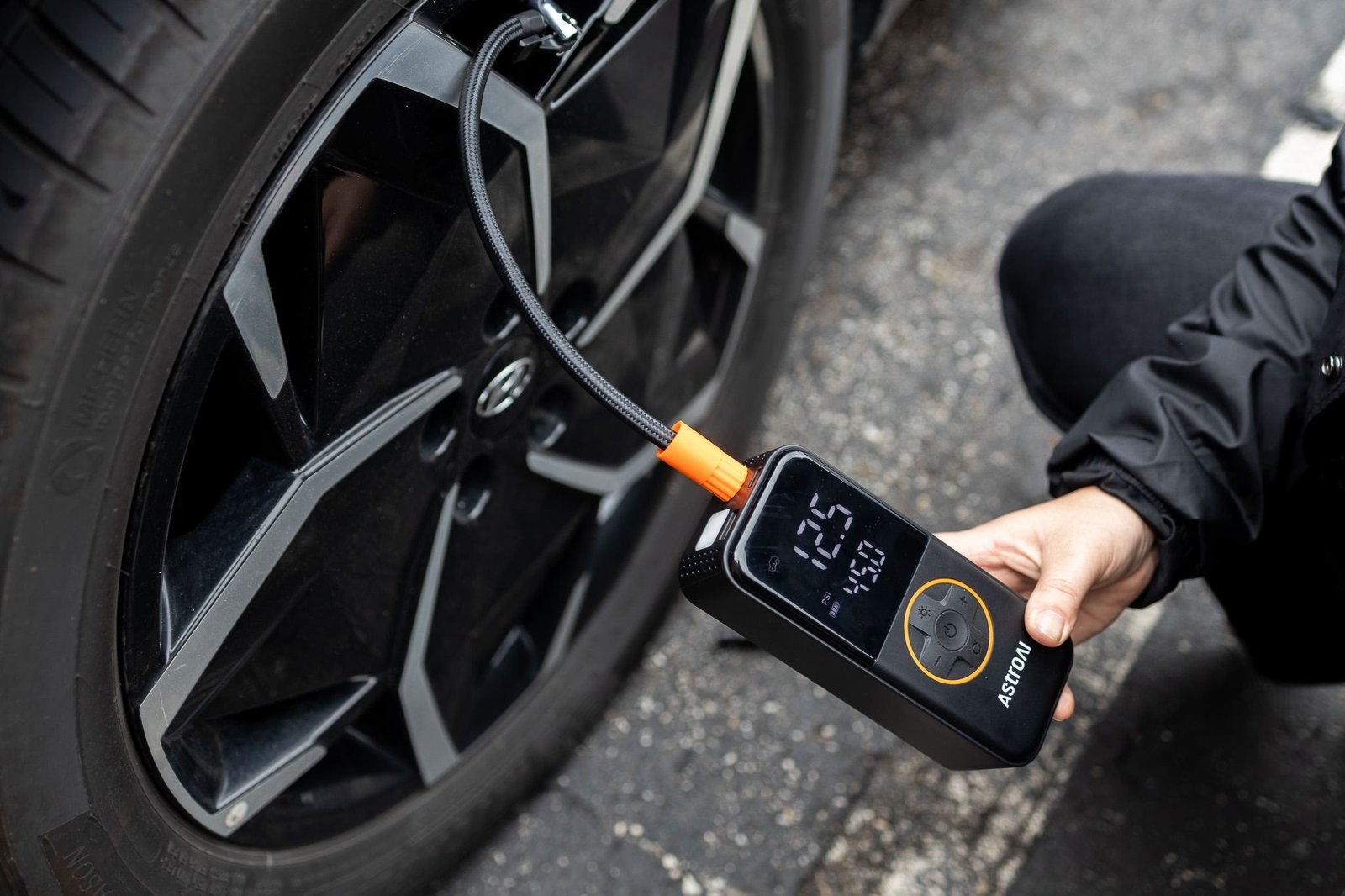
This method uses a built-in rechargeable battery to spin the motor without cords. It gives you total freedom to walk around the vehicle while it works.
- Check your tire pressure gauge to see how much air you need.
- Screw the hose nozzle tightly onto the tire valve stem.
- Press the start button and wait about five minutes for completion.
- Detach the hose quickly once the machine stops automatically.
These devices excel in dark conditions since they often include LED lights. Their main weakness is that batteries lose charge if left unused for months. You must recharge them every few months to ensure they work during an emergency.
Plugging into your car power
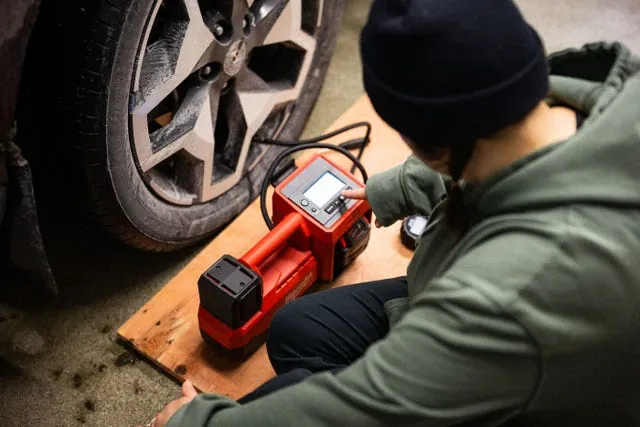
This approach draws electricity directly from your vehicle’s cigarette lighter socket. It relies on your car battery rather than an internal pack inside the tool.
- Start your car engine to prevent draining the vehicle battery.
- Plug the device power cord into the 12V outlet inside the cabin.
- Attach the air hose to the tire and set your target pressure number.
- Hold the trigger or switch until the gauge reads the correct level.
This style is great for long road trips where you never run out of power. However, the long power cord can get tangled or snag on door hinges. If your car battery is old, running this too long might stop your engine from restarting later.
Pumping air by hand
Manual pumps use your physical strength to push air into the tire through a foot pedal or handle. This is the oldest method and requires no electricity at all.
- Place the pump base flat on the ground near the flat tire.
- Connect the hose head firmly to the metal valve on the wheel.
- Step on the pedal or pull the handle repeatedly for several minutes.
- Check the built-in gauge often to avoid overfilling the tire.
It’s perfect for bicycles or small motorcycles where air volume needs are low. The honest truth is that filling a completely flat car tire this way takes serious energy. Most drivers find it exhausting and impractical for standard car tires unless they have no other choice.
Choosing the right inflator now
Your situation decides which tool you should keep in your trunk today. If you’re in a hurry after work, grab the cordless model since it sets up fastest. First-time buyers should choose the plug-in version because it costs less and teaches basic pressure checks. People who want the absolute best performance regardless of price will prefer high-end battery units with digital screens. Speed costs money here, while saving cash means spending more time pumping.
Safety rules for all inflators
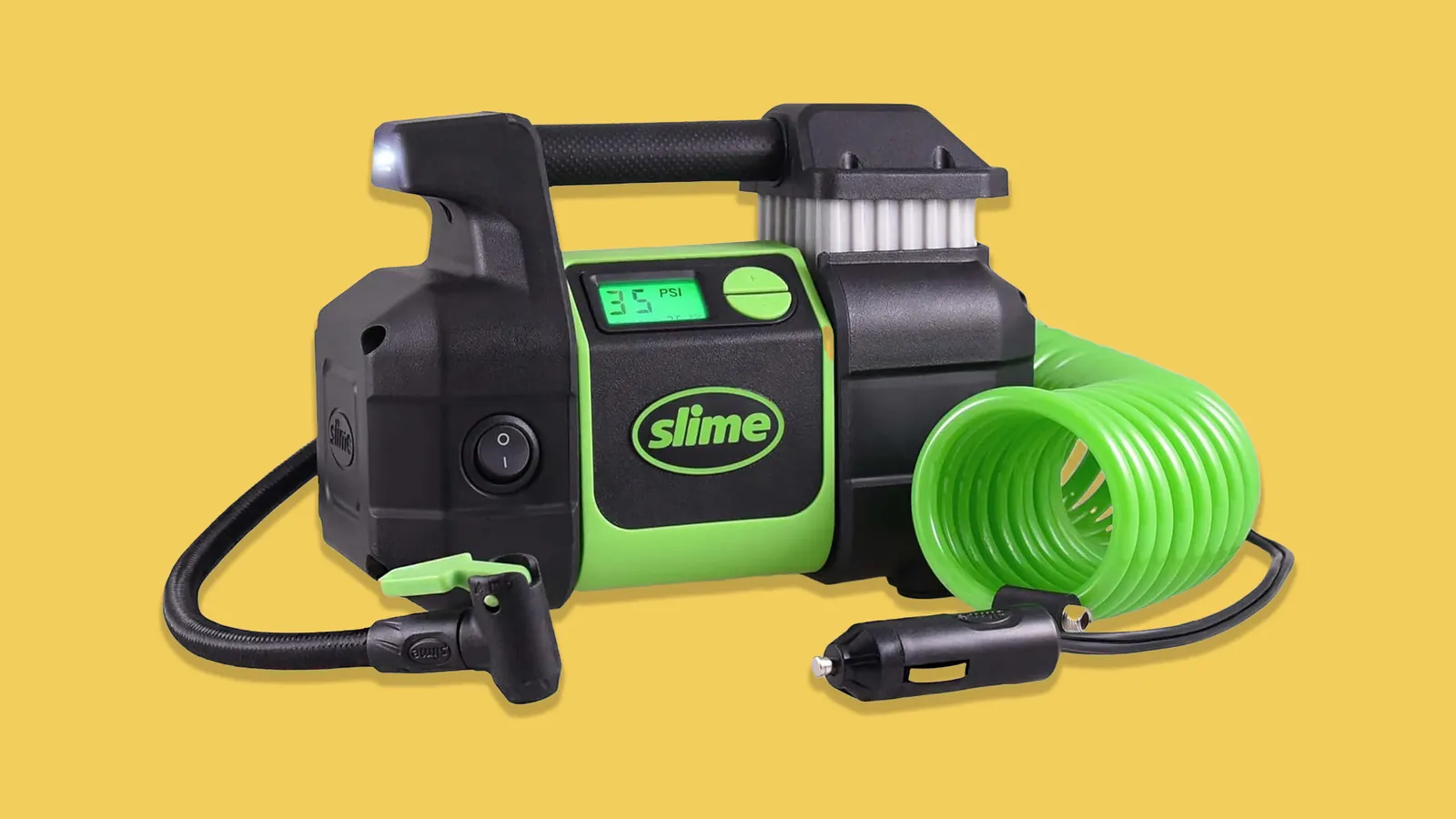
Certain steps matter no matter which machine you buy or use. Always check the maximum pressure rating printed on your tire sidewall before adding air; exceeding this limit can cause a blowout. Prepare your workspace by ensuring the car is parked on flat ground with the parking brake engaged.
Watch the gauge closely during the final minute since heat from friction can raise pressure readings falsely. After finishing, always replace the valve cap to keep dirt out of the stem. Never attempt to repair a tire sidewall damage yourself; drive slowly to a professional shop instead. For official safety standards on tire maintenance, consult the NHTSA TireWise program.
Related guides
Frequently asked questions
How long does it take to fill a tire?
It usually takes 4 to 6 minutes for a standard car tire going from 20 PSI to 35 PSI using a decent 12V compressor. Smaller motors or larger truck tires will double this time depending on the airflow rate listed in CFM.
Can I leave the inflator in my car during winter?
Yes, but extreme cold below zero degrees Fahrenheit can drain lithium batteries faster than usual. Keep the unit inside your coat pocket or glove box if temperatures drop severely to preserve its charge.
Why does my tire pressure light stay on after filling?
The sensor often needs a few miles of driving to reset and recognize the new pressure level. If the light remains after driving ten miles, you likely have a slow leak or a faulty sensor.
Is it safe to use a gas station air hose?
Yes, provided you monitor the gauge closely since commercial hoses fill tires very quickly. These public pumps often lack automatic shut-off features, so you must stop the flow manually to prevent bursting.
What happens if I overinflate my tire by 5 PSI?
Your ride will feel bumpy and the center of the tire tread will wear out much faster than the edges. Simply release air by pressing the valve pin until the gauge matches the door jamb sticker.
How often should I check my tire pressure?
You should check your tires at least once a month and before any long road trip. Temperature changes cause air to expand or contract, altering your pressure readings significantly between seasons.
Conclusion
Keep your new tool charged and tucked in the trunk so it’s ready when you need it most. A quick monthly check ensures it won’t fail you on a dark roadside. You’ll sleep better knowing you’ve got peace of mind stored right beside your spare tire.