
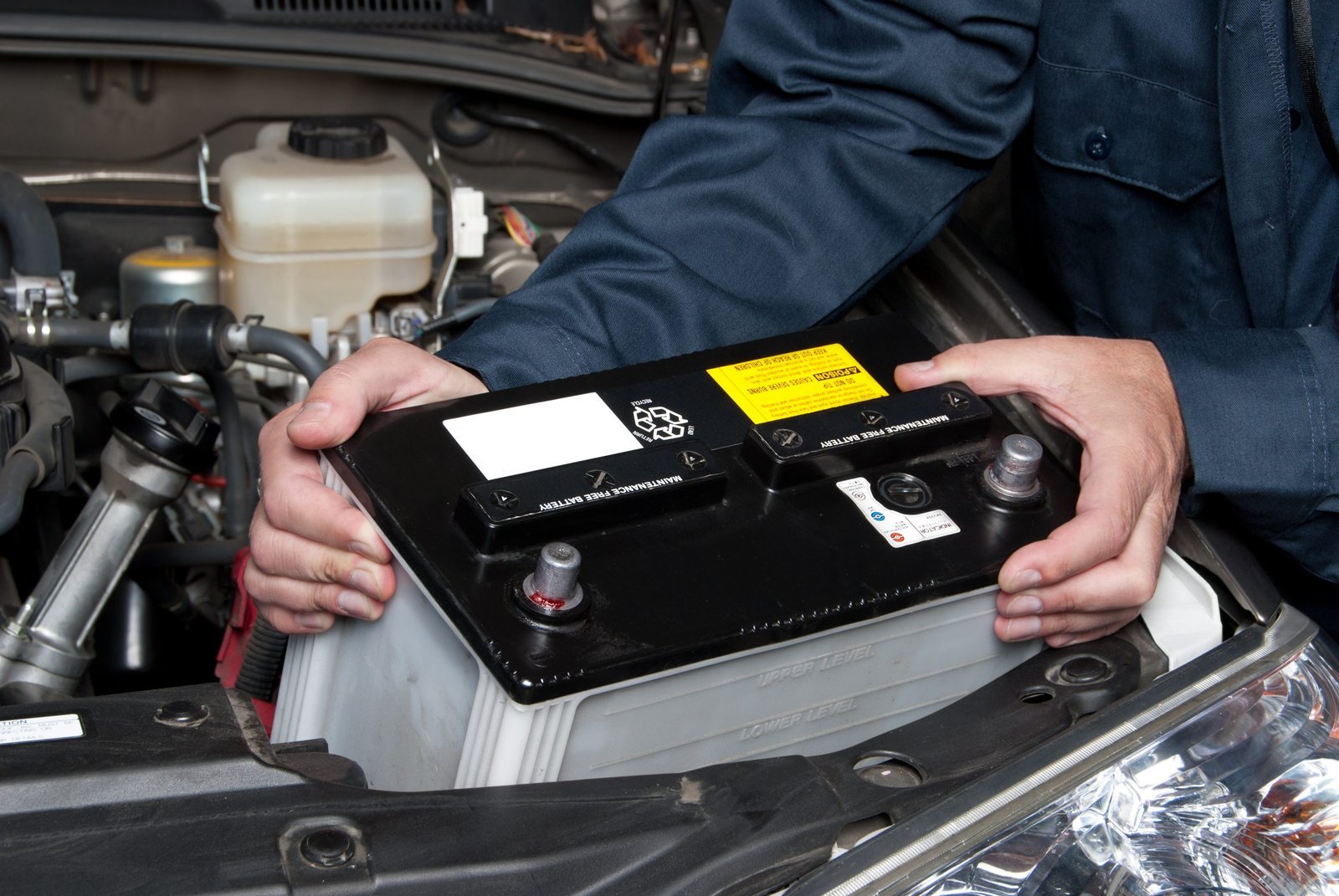
Clean terminals and tight connections help a car battery last longer with normal driving. If you ignore it, corrosion builds up and can prevent the car from starting.
How often to maintain your car battery
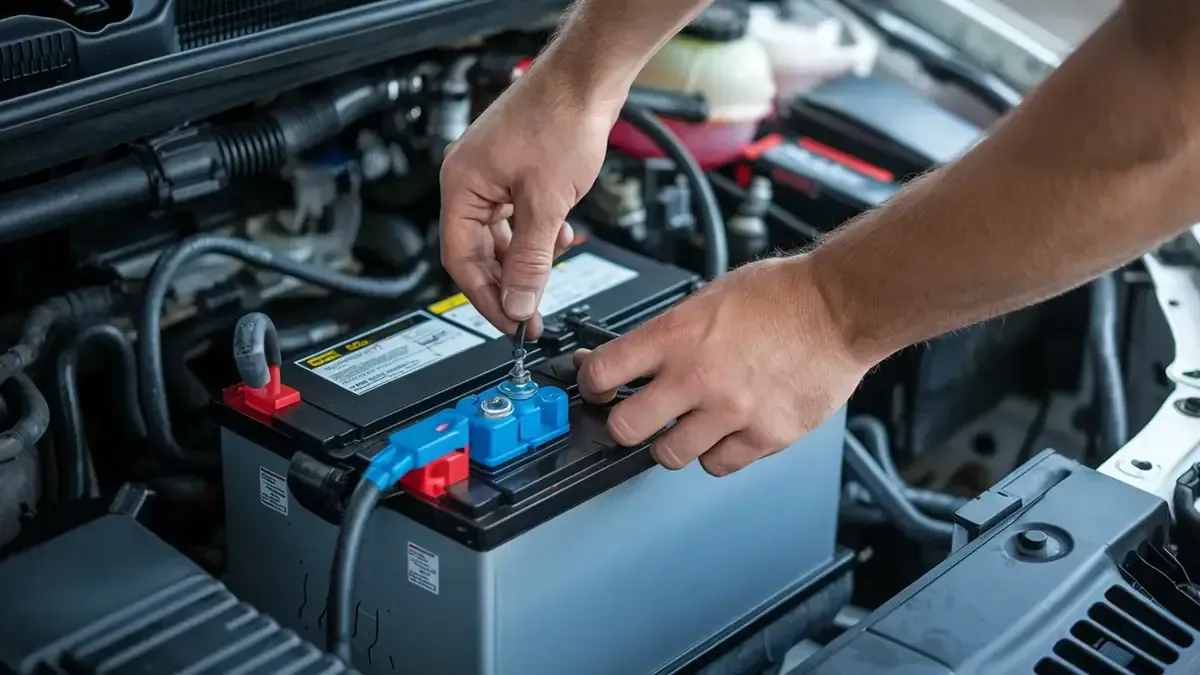
The schedule changes based on how many short trips you take or how often you leave the car sitting. Most drivers should inspect their battery terminals and connections every few months or during routine oil changes. The table below shows exactly when to look based on your habits.
| How you use it | How often | What tells you it’s due |
|---|---|---|
| Daily long drives | Every 3 months | Terminals look dull or dusty |
| Mostly short trips | Every month | Engine cranks slower than usual |
| Car sits unused | Every 2 weeks | Dashboard lights dim when starting |
| Hot climate driving | Every month | Fluid level drops below plates |
| Cold climate driving | Before winter starts | Battery case looks swollen or cracked |
| After heavy rain | Immediately | Water pools around the battery tray |
What happens if you skip care
Ignoring maintenance starts with slow cranking speeds that make your engine struggle to turn over on cold mornings. Over several months, sulfur crystals build up on the lead plates inside, reducing the total power available for starting. This process, called sulfation, becomes permanent if the battery sits discharged for too long without a recharge.
Eventually, the internal connections corrode until the battery can’t hold any charge at all. You’ll face a sudden failure where the car makes no sound when you turn the key. At this stage, no amount of jumping will fix the damaged internal chemistry. The only solution left is buying a completely new unit, which costs significantly more than simple cleaning would have.
Signs your battery needs attention
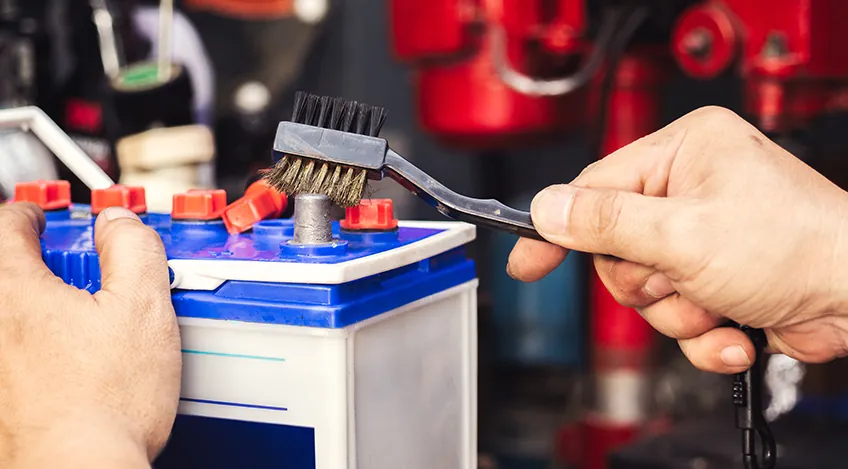
- White or blue crust on the metal posts means acid vapor is eating the connection.
- Dim headlights while idling show the battery can’t support the electrical load alone.
- Swollen battery case indicates internal overheating or freezing damage that weakens the structure.
- Rotten egg smell near the hood signals a leaking seal or overcharging gas release.
- Slow engine crank taking more than three seconds suggests low voltage under load.
- Flickering dashboard lights when turning the key points to loose terminal clamps.
Time and effort required
Checking your battery takes about ten minutes and requires only a wrench, baking soda, and water. You don’t need special tools or expensive equipment to keep the terminals clean and dry. The cost is nearly zero since household items work better than most commercial sprays for removing grime.
If your battery has removable caps, adding distilled water takes another few minutes periodically. This small effort prevents the massive hassle of calling a tow truck in bad weather. Most people can do this in their driveway without lifting the heavy unit out of the tray.
Habits to extend battery life
- Drive for 20 minutes weekly to let the alternator fully recharge the surface charge.
- Turn off electronics before stopping the engine to prevent deep discharge overnight.
- Apply dielectric grease on clean terminals to block moisture and stop future corrosion.
- Secure the hold-down clamp tightly so vibration doesn’t shake internal plates apart.
- Park in a garage during extreme heat or cold to reduce chemical stress on the cells.
Related guides
Frequently asked questions
How long does a car battery last?
A typical lead-acid battery lasts for several years depending on climate and driving habits. Hot weather shortens this life by evaporating fluid faster than cold regions do. Check the manufacture date code on the case to know your specific starting point.
Can I jump start a swollen battery?
No, never jump start a battery with a swollen or cracked case because it may explode. The swelling means internal damage has already occurred and sealing gases are escaping. Replace the unit immediately instead of risking injury from acid spray or fire.
Why does my battery die overnight?
Parasitic drain from lights, alarms, or faulty modules pulls power while the car sits. If the drain exceeds 50 milliamps, the battery empties within a day or two. A mechanic must trace the circuit to find the component staying on when it should not.
Is it safe to touch battery corrosion?
No, the white powder contains lead and acid residues that harm skin and lungs. Wear gloves and eye protection when cleaning terminals to avoid chemical burns. Wash your hands thoroughly with soap and water immediately after touching any part of the battery.
What happens if I add tap water?
Tap water contains minerals that coat the plates and permanently reduce capacity. Always use distilled or deionized water to refill cells to the correct level. The impurities in regular water cause rapid self-discharge and early failure of the unit.
Does cold weather kill batteries?
Cold temperatures don’t kill batteries directly but reveal weakness by thickening the oil. A weak battery that works in summer may fail instantly when the temperature drops. The cold reduces the chemical reaction speed needed to deliver high starting current.
How tight should battery terminals be?
Terminals should be tight enough that they don’t twist by hand but not stripped. Over-tightening cracks the lead post inside the plastic case and ruins the battery. Use a wrench to snug them until they feel solid against rotation.
Next steps for your battery
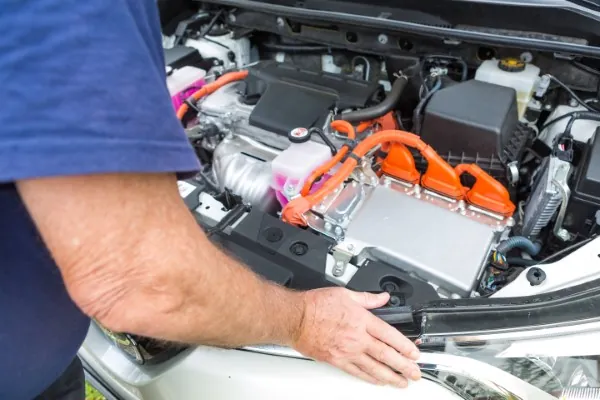
Start by popping your hood today to inspect the terminals for white crust or loose clamps. You should see shiny metal surfaces and feel no movement when you wiggle the cables by hand. Stop immediately and call a professional if you see cracks in the case or smell rotten eggs.
Conclusion
Keep an eye on your battery during extreme weather, as cold or heat can weaken it quickly. If you notice slow starts or dim lights, don’t wait for trouble. A quick check now saves you from being stranded later, so stay proactive and keep your ride reliable.
4 thoughts on “How to Maintain a Car Battery”