
Disclosure: This post contains affiliate links. If you make a purchase through these links, we may earn a commission from Amazon at no extra cost to you. As an Amazon Associate I earn from qualifying purchases.
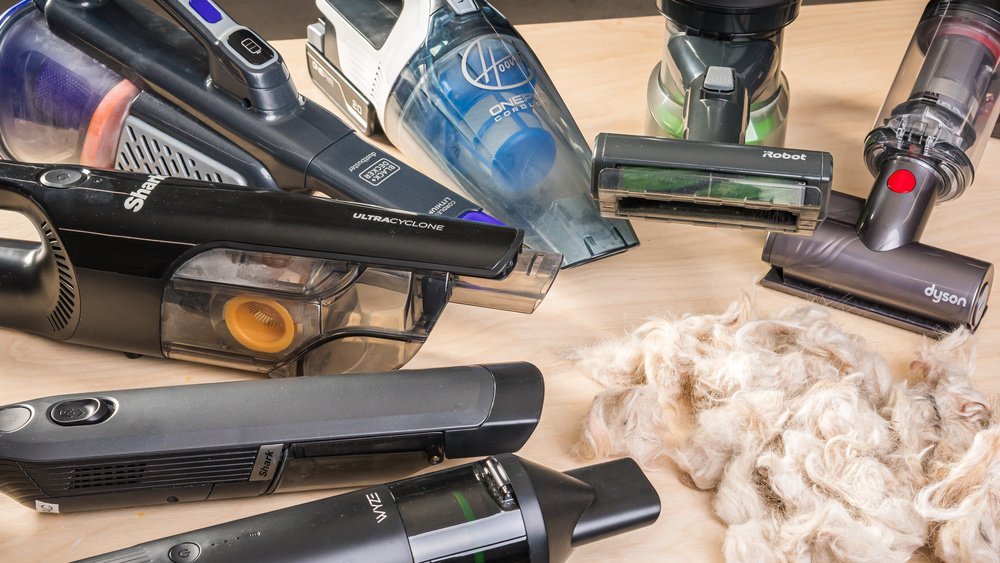
The best car vacuum for pet hair is not always the one with the strongest suction. Pet hair defeats ordinary vacuums because it weaves itself into car upholstery and locks in with static — so the brush, the runtime and the power source matter as much as raw pull. Handheld cordless vacuums, 12-volt plug-in vacuums and pet-specific brush tools are the machines that actually pull fur from car seats, and the right pick depends on your seats, your dog and how often you clean.
This guide compares the five tool types that work, explains how to match one to your car’s interior, and gives you a cleaning routine that keeps fur from matting into the carpet for good.
Quick verdict
- Best for most pet owners: a cordless handheld like the Dyson V8 Animal — fast grab-and-go cleaning with a motorized head for fabric.
- Best for long, deep sessions: a 12V plug-in like the ThisWorx Car Vacuum Cleaner — unlimited runtime straight from the car’s socket.
- Best add-on if you own a shop vac: the Bissell Pet Hair Eraser motorized tool — spinning bristles dig woven-in fur out of upholstery.
- Best first pass on heavy shedding: the FURemover rubber broom — drags loose fur into piles so your vacuum filter survives the job.
- Best for muddy paws too: a wet-dry portable such as the RIDGID 3-Gallon (in our table) handles wet messes a dry vacuum cannot.
Types of car vacuums for pet hair
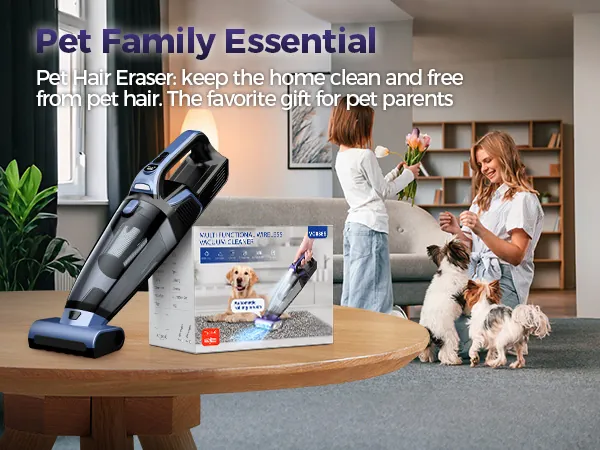
Each tool below handles embedded fur differently, so pick the one that matches your seats.
| Vacuum type | Best use case | Real example |
|---|---|---|
| Cordless handheld | Quick daily cleanups | Dyson V8 Animal |
| 12V plug-in | Long sessions without charging | ThisWorx Car Vacuum Cleaner |
| Motorized pet tool | Deep woven fabric cleaning | Bissell Pet Hair Eraser Tool |
| Rubber squeegee broom | Manual fur removal before vacuuming | FURemover Carpet Broom |
| Wet-dry portable | Muddy paws plus dry hair | RIDGID 3-Gallon Portable |
How we choose a car vacuum for pet hair
We judge these tools on the things that decide a real cleanup: whether the brush lifts hair out of woven fabric instead of skimming over it, how long the machine honestly runs, how the filter copes with fine fur and dander, and whether it reaches the gaps between console and seat where hair collects. One rule from experience sits behind every pick below — for woven car fabric, the brush matters more than suction. Strong suction alone pulls air past flat hair without lifting it from the threads.
Cordless handheld vacuum — the everyday pick
A cordless handheld runs on a rechargeable lithium-ion battery and fits in your cup holder. It suits drivers who want to grab fur quickly between errands without dragging out an extension cord.
- Lifts loose hair from flat seat surfaces in under two minutes
- Reaches tight gaps between the center console and seats
- Empties into the trash with one button press
- Runs quietly enough to use while a nervous dog stays inside
The Dyson V8 Animal is the example in our table. Run it on its “Max” setting for about seven minutes to clear a standard back seat covered in golden retriever fur — that short burst is what maximum mode is for. If your trips are short, pick this type; if you clean the whole cabin at once, get a 12V plug-in instead.
Pros: no cord, no setup, always within reach; motorized heads suit fabric seats. Cons: 15–20 minutes of standard runtime is the ceiling, and replacement batteries cost money after a few years.
12V plug-in vacuum — the marathon cleaner
A 12V plug-in draws power straight from your car’s cigarette lighter socket, so it never dies halfway through the job. It suits owners who spend twenty minutes or more detailing the entire cabin at once.
- Pulls stubborn hair from deep carpet fibers without fading
- Runs as long as your car battery holds a charge
- Avoids the cost of replacing dead lithium cells after three years
Plug the ThisWorx cleaner into the 12V outlet and run it for fifteen minutes to clear a full set of cloth floor mats, with no battery anxiety at all. Run the engine while you work so the vacuum never draws on a parked battery (more in the FAQ).
Pros: unlimited runtime, light in the hand, usually the cheapest route to a full-cabin clean. Cons: the cord dictates your movements, and suction is modest next to a household machine.
Motorized pet attachment — the deep-fabric specialist
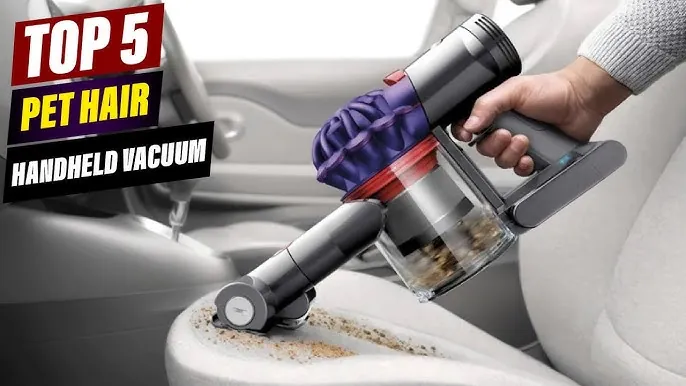
A motorized pet attachment is a small spinning brush head that connects to a larger vacuum hose. It suits people who already own a shop vacuum or canister model and just need the right nozzle.
- Digging bristles lift hair woven tightly into upholstery threads
- Spins fast enough to flick fur out of velcro and seams
- Works on both cloth seats and carpeted cargo areas
Attach the Bissell Pet Hair Eraser to a compatible hose and make three slow passes over a shedding spot to strip it bare. One safety rule is non-negotiable: if the bristle roll stops spinning, unplug the machine and clear the jam — never reach your fingers into a powered brush roll.
Pros: the most effective tool here on woven fabric and cargo carpet. Cons: useless without a host vacuum and a compatible hose fitting.
Rubber bristle broom — the no-motor first pass
A rubber bristle broom uses static friction to drag fur into piles instead of relying on a motor. It suits anyone dealing with thick coats on flat cargo liners where vacuums clog instantly.
- Gathers wet or muddy hair that would ruin a vacuum filter
- Needs no electricity, batteries, or emptying cycles
- Sweeps large cargo areas in wide strokes
Sweep a FURemover broom across a trunk liner ten times to roll short hairs into one clump you can pick up by hand. Used before vacuuming, it is the cheapest insurance your vacuum’s filter can get.
Pros: silent, works wet or dry. Cons: manual effort, and it gathers hair rather than removing the fine dander a filter catches.
Other pet hair tools for cars
- Lint roller sheets peel surface fuzz off smooth fabrics, but they waste adhesive quickly on heavy shedders.
- Pumice stones scrape hair out of woven floor mats, though they’ll shred thin upholstery if you press hard — keep them for mats only.
- Silicone grooming gloves wipe fur off seats while you pet the dog, fitting owners who groom inside the parked car.
And for the mess that is not hair at all — muddy paws, spilled water bowls, wet leaves — a wet-dry portable like the RIDGID 3-Gallon in our table is the right machine, because a dry vacuum’s filter and motor are not built for liquid.
Picking the right vacuum for your car
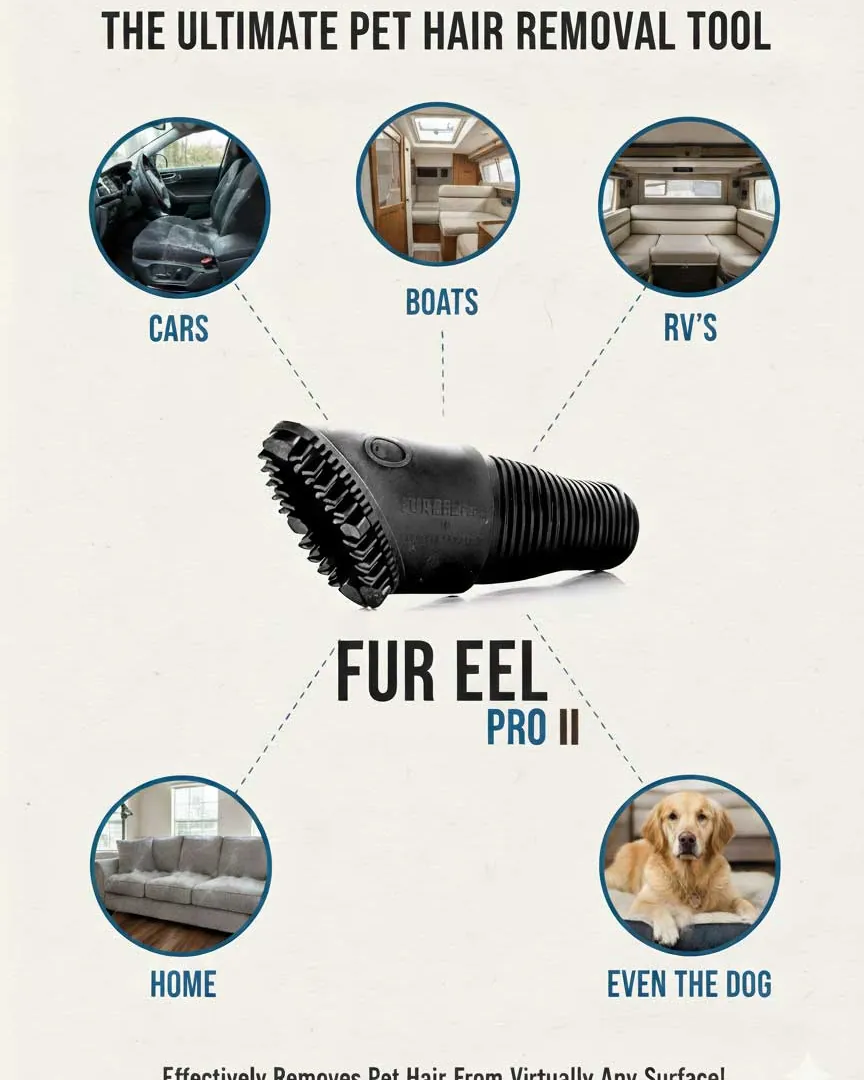
Your seat material decides the tool. Woven cloth and carpet demand a brush — a motorized head or the Bissell tool. Smooth leather barely needs suction at all; loose hair lifts with a soft brush and a wipe. Perforated leather sits in between: gentle suction, soft attachment, no aggressive bristles.
Next, look at your time. If you park for thirty minutes on Sunday, plug in the 12V model and do the whole cabin. If your reality is two minutes in the driveway after the dog jumps out, the cordless handheld is the one you will actually use — and the best vacuum is always the one that gets used.
You don’t have to pick just one. A rubber broom clears the big mess first, saving your vacuum’s filter from clogging. But storing both might not fit in a tiny hatchback, so measure your space honestly. And whichever machine you choose, check the filter label for dust capacity limits before you buy.
A pet-hair cleaning routine that actually works
- Start dry and start big: clear the largest clumps with a rubber broom or your hands first.
- Vacuum one seat section at a time, slowly, until the fabric looks uniform and no dark lines of trapped fur remain.
- Work the seams, seat-back pockets and the gap beside the console with a crevice tool — that is where hair hides.
- Tap the filter against a trash can rim every five minutes during a heavy-shedding cleanup; a clogged filter kills suction and overheats the motor.
- Finish with a damp silicone glove or lint roller pass to catch the strays the vacuum left behind.
Stop and call a professional detailer if the motor smells like burning plastic or makes a grinding noise — that is a machine asking for help, not a setting problem.
Mistakes that make pet hair worse
- Vacuuming a heavy shed without a pre-sweep. The filter clogs in minutes and suction dies.
- Running Max mode for the whole job. You get seven strong minutes instead of twenty useful ones.
- Pressing a pumice stone into seat upholstery. Mats only — it shreds thin fabric.
- Letting hair sit for weeks. Moisture bonds fur to carpet fibers until it is effectively permanent; twice a week is the rhythm that prevents it.
- Running a 12V vacuum for long stretches with the engine off. Idle the engine, or you are spending your starter battery on a clean car.
Frequently asked questions
Can I use my home vacuum in my car?
Yes, if you have a long extension cord and a narrow crevice tool. Standard home vacuums are too bulky to fit between car seats easily, which is exactly why car-specific tools exist.
Why does pet hair stick so hard to car seats?
Car upholstery weaves tighter than home furniture, trapping hair mechanically. Static electricity generated by sliding across the seat pushes fur deeper into the fabric — which is why a brush that digs, not just suction, is what frees it.
How long does a cordless vacuum last on one charge?
About 15 to 20 minutes on standard mode for most models. Switching to maximum suction cuts that time down to roughly 7 minutes, so save Max for the worst patches.
Is it safe to vacuum a running car?
Yes — using a 12V plug-in while the engine idles prevents draining your starter battery. Never run high-draw accessories with the engine off for extended periods.
What happens if pet hair clogs the vacuum filter?
Suction drops immediately, and the motor overheats from blocked airflow. Tap the filter against a trash can rim every five minutes during heavy shedding cleanup to keep both problems away.
Does suction power matter more than the brush?
The brush matters more for woven fabric. Strong suction alone pulls air past flat hair without lifting it from the threads. On smooth leather the answer flips — there is nothing for a brush to dig out, so gentle suction and a soft attachment win.
How often should I vacuum my car for pets?
Twice a week keeps hair from matting into the carpet fibers. Waiting longer lets moisture bond the fur to the fabric permanently — prevention is far easier than the rescue job.
Do pet vacuums work on leather seats?
They do, but you rarely need strong suction for smooth leather. A soft dusting brush attachment prevents scratching the finish while gathering loose hair — and for the seats themselves, a proper car interior cleaner for leather seats keeps the hide healthy after the hair is gone.
Conclusion
The best car vacuum for pet hair is a system, not a single gadget: a FURemover broom for the first pass, then the machine that matches your seats and schedule — the Dyson V8 Animal for quick cordless cleanups, the ThisWorx 12V when you want unlimited runtime, or the Bissell Pet Hair Eraser tool when woven fabric needs a spinning brush. Match the tool to the fur, clean twice a week, and pet hair stops being a permanent feature of your car.
Related guides: Best Car Detailing Kit for Beginners · Best Car Interior Cleaner for Leather Seats · Best Pressure Washer for Car Detailing
4 thoughts on “Best Car Vacuum for Pet Hair: Top Picks and Fixes”