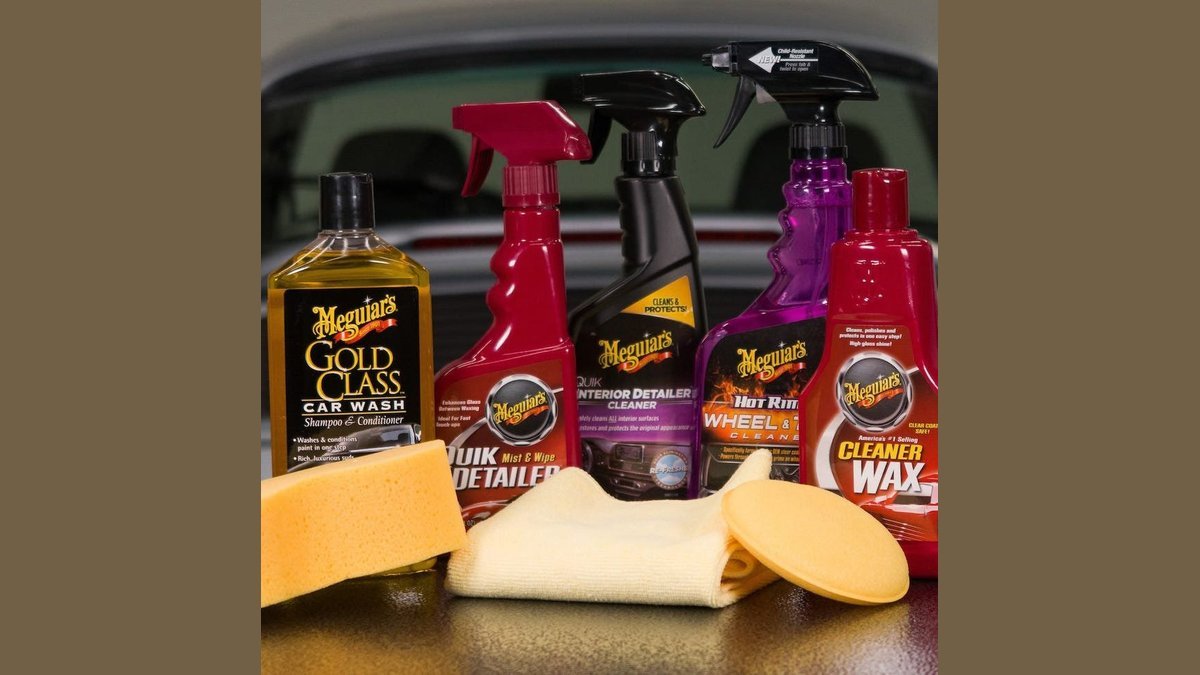
A solid starter set for car detailing is inexpensive, holds 8 to 12 items, and skips powered tools. The best beginner kit pairs pH-neutral soap, microfiber towels, basic wax, and wheel cleaner. These steps, settings, and limits are what a price tag won’t tell you.
What beginners need in a detailing kit
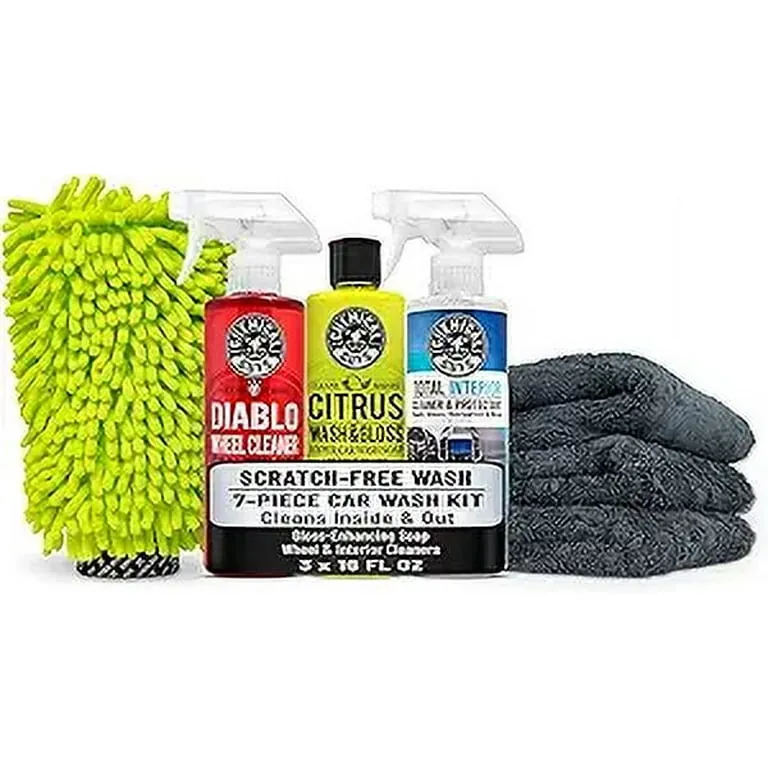
A starter detailing set is a box of matched cleaning liquids, waxes, and soft cloths built to wash and protect a car’s paint without scratching it.
The big misconception is that more bottles mean better results.
Steps to detail a car with a beginner kit
Follow these steps outside on a cool, shaded surface.
- Rinse the whole car with plain water for 2 minutes to knock off loose dirt.
- Fill a 5-gallon bucket with water and add 2 ounces of pH-neutral car soap.
- Wash the roof and windows first using 1 clean microfiber mitt, working in straight lines.
- Wash the lower doors and bumpers last, since they hold the heaviest dirt.
- Rinse all soap off within 3 minutes so nothing dries on the paint.
- Dry the panels with 3 large microfiber towels, dragging them flat instead of scrubbing.
- Spray a basic spray wax onto one panel at a time and wipe it off immediately.
- Clean the wheels last with a dedicated wheel brush and 2 ounces of wheel cleaner.
The key judgment is knowing when to stop washing a spot. If dirt stays after two passes, leave it; forcing it scratches the clear coat. Removing bonded contaminants needs a clay bar; take that job to a pro if dirt won’t move.
Detailing kit numbers and settings
These figures apply to a standard midsize sedan washed in mild weather. A larger truck requires more soap and water, while a small hatchback needs slightly less.
| Situation | What to use | How long | What to watch for |
|---|---|---|---|
| Light dust on a daily driver | pH-neutral soap, 2 oz per 5 gallons | 20–30 minutes total | Soap drying before you rinse |
| Heavy road grime | Dedicated bug remover, 4 sprays per panel | 45 minutes total | Remover dripping onto bare plastic |
| Applying spray wax | 1 spray bottle, 2 sprays per panel | 15 minutes after drying | Wax streaking in direct sunlight |
| Cleaning alloy wheels | Iron-removing wheel cleaner, 2 oz per wheel | 10 minutes total | Cleaner turning purple (means it’s working) |
| Drying the paint | 3 large microfiber towels | 5–10 minutes | Dragging a dirty towel edge |
Getting clean results from a starter kit
Clean results depend on how you handle your towels. Use 3 separate microfiber towels: one for upper paint, one for lower panels, one for wheels.
If your car has a ceramic coating, skip the wax entirely. For bare clear coat, apply spray wax in thin layers, not one thick coat.
Check your wash mitt halfway through. If it feels gritty, rinse it in a second bucket of plain water.
Fixing common detailing problems
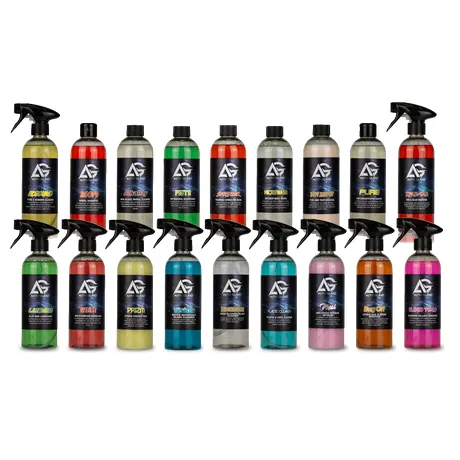
When something looks wrong, the cause is usually the method, not the liquid itself.
| What you notice | What it usually means | What to do first |
|---|---|---|
| Water spots after drying | Sun dried the soap before you rinsed | Rewet the panel and dry it in the shade |
| White haze on black trim | Wax got on unpainted plastic | Wipe it off with a damp microfiber towel |
| Swirl marks in sunlight | Dirt was dragged across the paint | Switch to a fresh wash mitt immediately |
| Streaky glass | Too much glass cleaner was sprayed | Buff it with a dry, clean towel |
| Soap won’t foam | Hard water is blocking the suds | Add 1 extra ounce of soap to the bucket |
Safe chemical handling rules
Detailing liquids are chemicals, and they need basic respect. The US Environmental Protection Agency regulates automotive cleaning products under the Safer Choice standard, which lists ingredients safer for people and waterways.
Applying solvent-heavy compounds or polishing bare metal carries real risks to your lungs and skin.
Keeping your supplies ready
Rinse your microfiber towels right after you finish, before the soap dries into the fibers. Wash them in warm water with no fabric softener, which ruins dirt-grabbing ability.
Store your liquids in a cool garage away from direct sun. Check bottles every few months. If a liquid smells sour or separates, throw it out and replace it.
When a beginner kit falls short
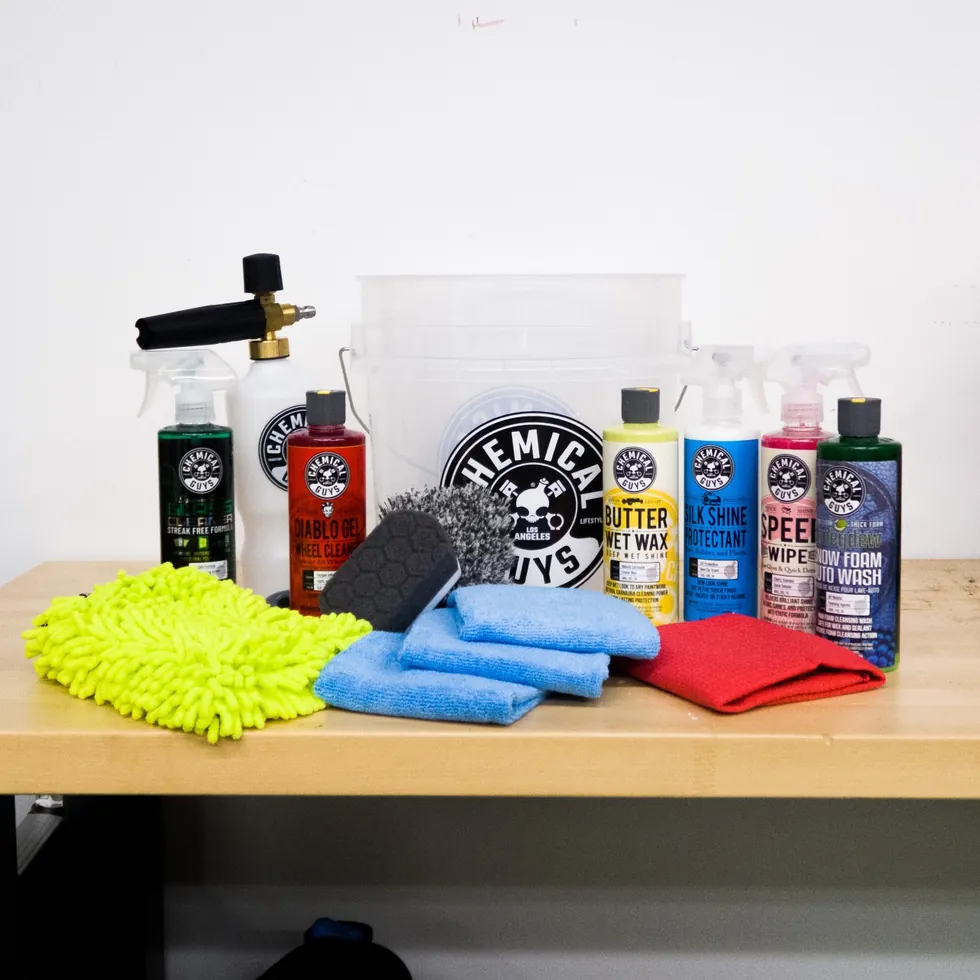
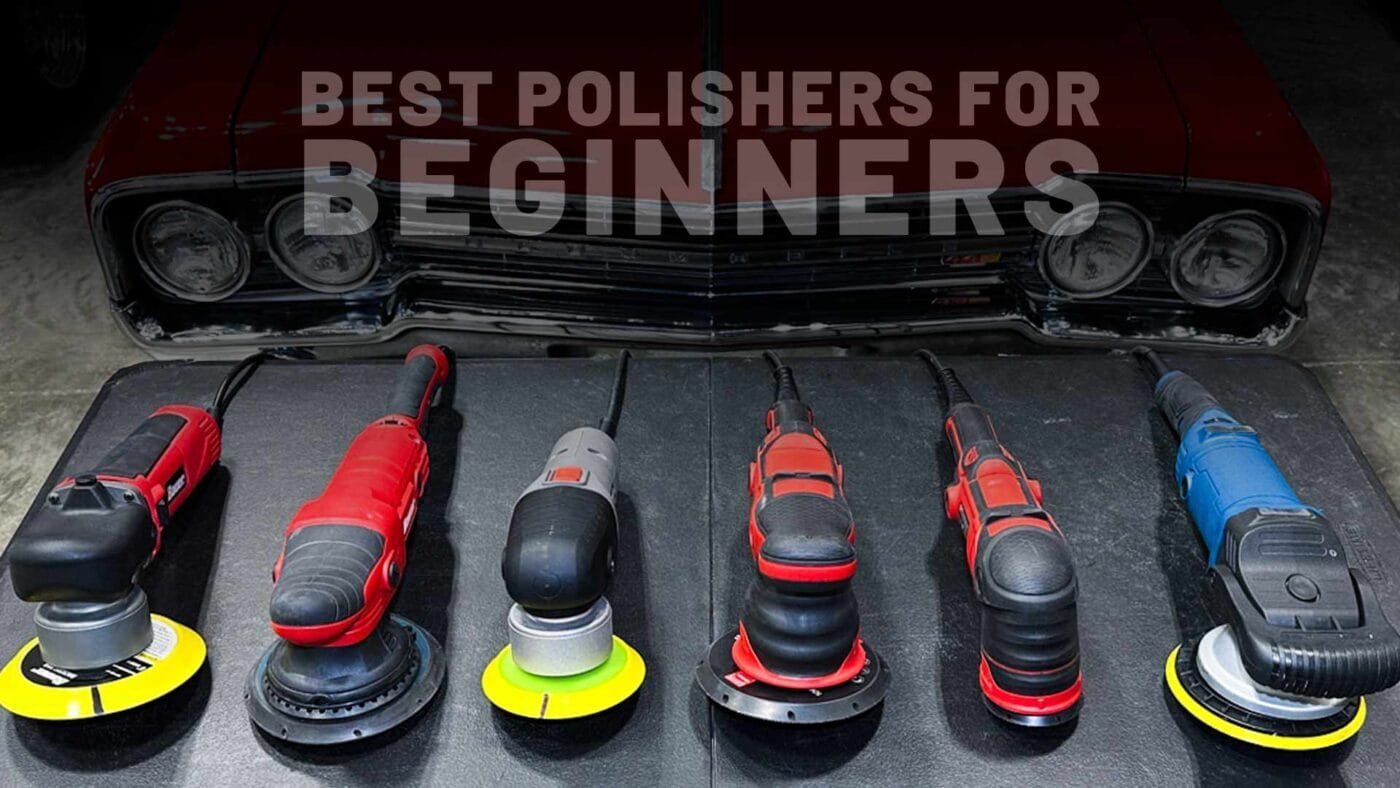
A starter kit only cleans and protects existing paint. If your car has deep scratches, a wash kit won’t fix them. You’ll need a polisher and compound, requiring practice to avoid burning the clear coat.
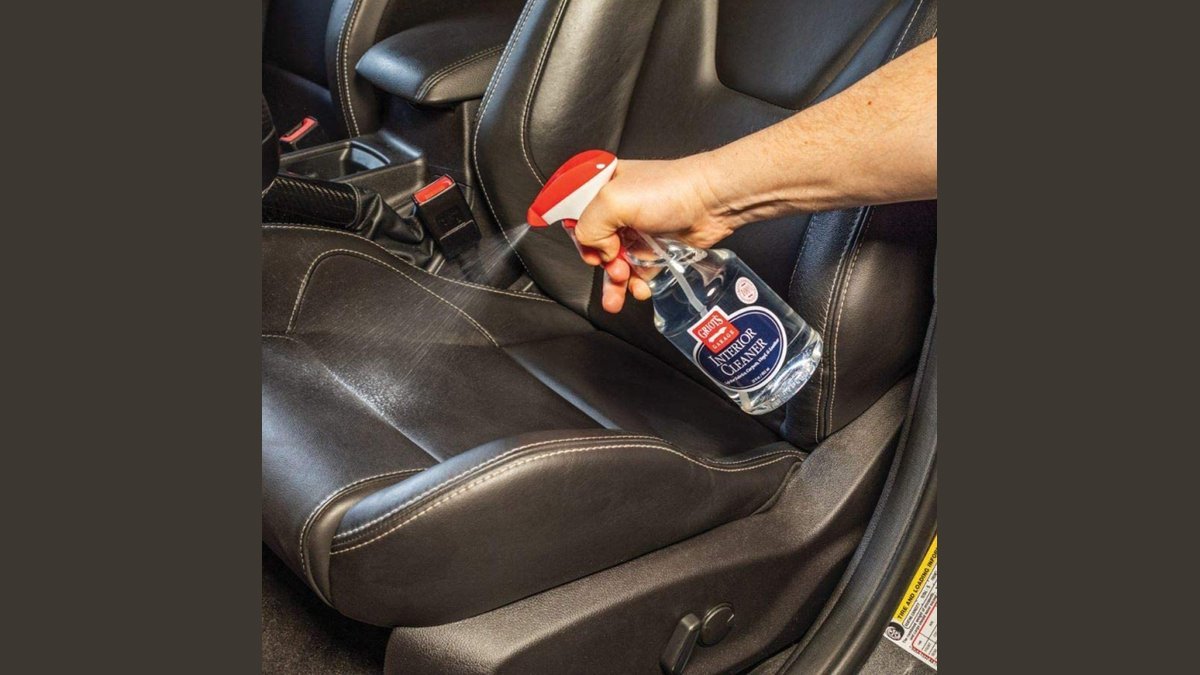
For interiors stained with pet odors or coffee, a basic exterior kit does nothing. Buy a dedicated upholstery extractor instead.
Related guides
- Best Portable Car Jump Starter
- Best Pressure Washer for Car Detailing: Top Electric Picks
- Car Maintenance Checklist
Frequently asked questions
Can I use dish soap instead of car soap?
No. Dish soap strips protective wax off your paint and dries out rubber seals. Always use a pH-neutral liquid made specifically for cars.
How long does spray wax last on a car?
Spray wax lasts 2 to 4 weeks on a daily driver parked outside. A car kept in a garage holds it closer to 6 weeks.
Why does my microfiber towel leave lint behind?
It usually means the towel was washed with fabric softener or dried on high heat. Wash it again without softener to restore it.
Is it safe to detail a car in direct sunlight?
No. Sunlight heats the paint and evaporates your soap and wax before you can wipe them off, leaving permanent spots.
What happens if I drop my wash mitt on the ground?
It picks up tiny rocks and sand instantly. Don’t put it back on the paint. Rinse it completely in a separate bucket first.
How often should I replace my detailing towels?
Replace them when the edges get stiff or they stop absorbing water quickly. With weekly washing, a good towel lasts 6 to 12 months.
Conclusion
Picking your first set doesn’t require guessing. Match the bottles to the actual condition of your car, keep your towels separated by task, and work in the shade. Once you build the habit of checking your tools halfway through the wash, you’ll get clean, protected paint every time without spending money on gear you don’t need yet.