How to Clean Car Seats: Leather, Cloth, Vinyl and Alcantara
Learning how to clean car seats properly starts with one rule: identify the material before you touch it with cleaner. Leather, cloth, vinyl, and Alcantara each react differently, and the product that revives one can stain or damage another. This guide walks through the full method — vacuum, wash, dry — for each material, plus the stain fixes that work, the drying step most people skip, and the mistakes that ruin seats.
The short answer: vacuum the seats first, then clean with a product made for your seat material, applied to a towel or brush rather than sprayed straight onto the seat, and let the seats dry with air moving through the car. Cloth needs a fabric cleaner or an extractor for deep dirt; leather needs a gentle leather cleaner followed by conditioner; vinyl needs a mild all-surface cleaner; Alcantara needs the lightest touch of all. Most cleaning damage comes from soaking the seat or using the wrong product — both are avoidable.
As an Amazon Associate I earn from qualifying purchases.
Quick Pick: Best Car Seat Cleaner Products
| Pick | Product | Best For | Check Price |
|---|---|---|---|
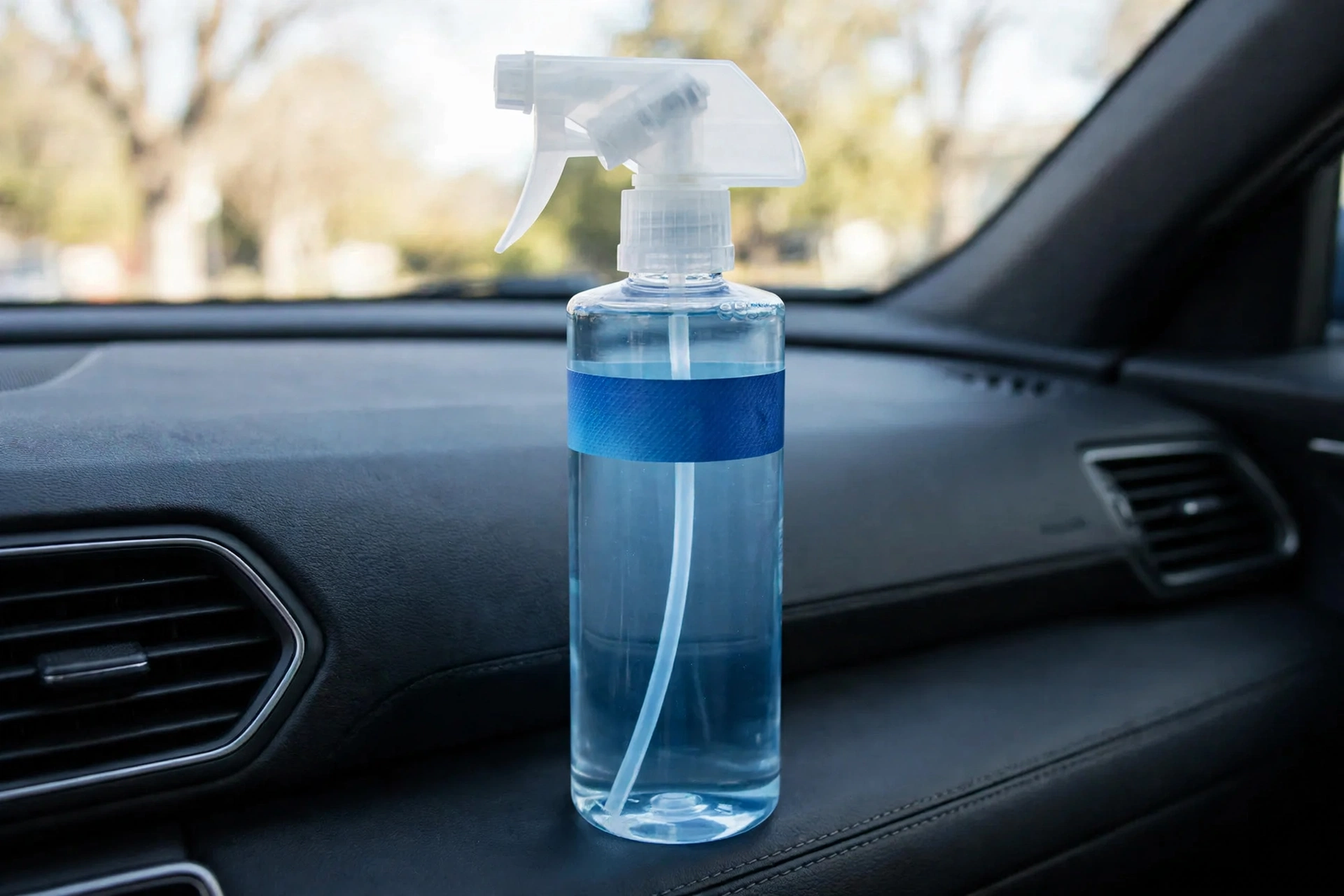
| Overall Winner | Chemical Guys Total Interior Cleaner & Protectant, 16 oz | Everyday seat cleaning: one spray for leather, vinyl, cloth and carpet, misted onto a towel | Check Price on Amazon |
| Best for Deep Cleaning | BISSELL Little Green Mini Portable Carpet and Upholstery Cleaner, 4075 | Ground-in dirt and stains on cloth seats: spray, scrub and suction extraction | Check Price on Amazon |
| Best Alternative Brand | Hoover CleanSlate Plus Portable Carpet and Upholstery Spot Cleaner, FH14050 | Hoover’s portable spot cleaner for upholstery, pet stains and car interiors | Check Price on Amazon |
Table of Contents
First, Identify Your Seat Material
Before you learn how to clean car seats, work out what your seats are made of — the method follows the material. Most cars have one of four seat surfaces. Cloth is woven fabric with a soft, matte feel; it absorbs spills. Leather is smooth, cool to the touch, with a natural grain and a slight sheen; most car leather is coated, but it still dries out and cracks if never conditioned. Vinyl looks like leather but feels plasticky, and is common on base trims. Alcantara is a suede-like microfibre, soft and matte; it appears on sports seats and premium trims. If you are unsure, check the owner’s manual or the trim description — it names the seat material — or the water test on a hidden spot: water soaks into cloth and Alcantara, beads on vinyl, and sits on coated leather.
Whatever the material, test every product on a hidden spot first — under the seat, or on the side facing the door. This one habit prevents most cleaning damage. When in doubt, treat the seat as the more delicate material: a gentle cleaner will not harm vinyl, but a harsh cloth cleaner can damage leather and Alcantara. Our Chemical Guys Total Interior Cleaner review covers the one-bottle cleaner used in this guide and where it falls short.
Step 1: Vacuum the Seats Properly
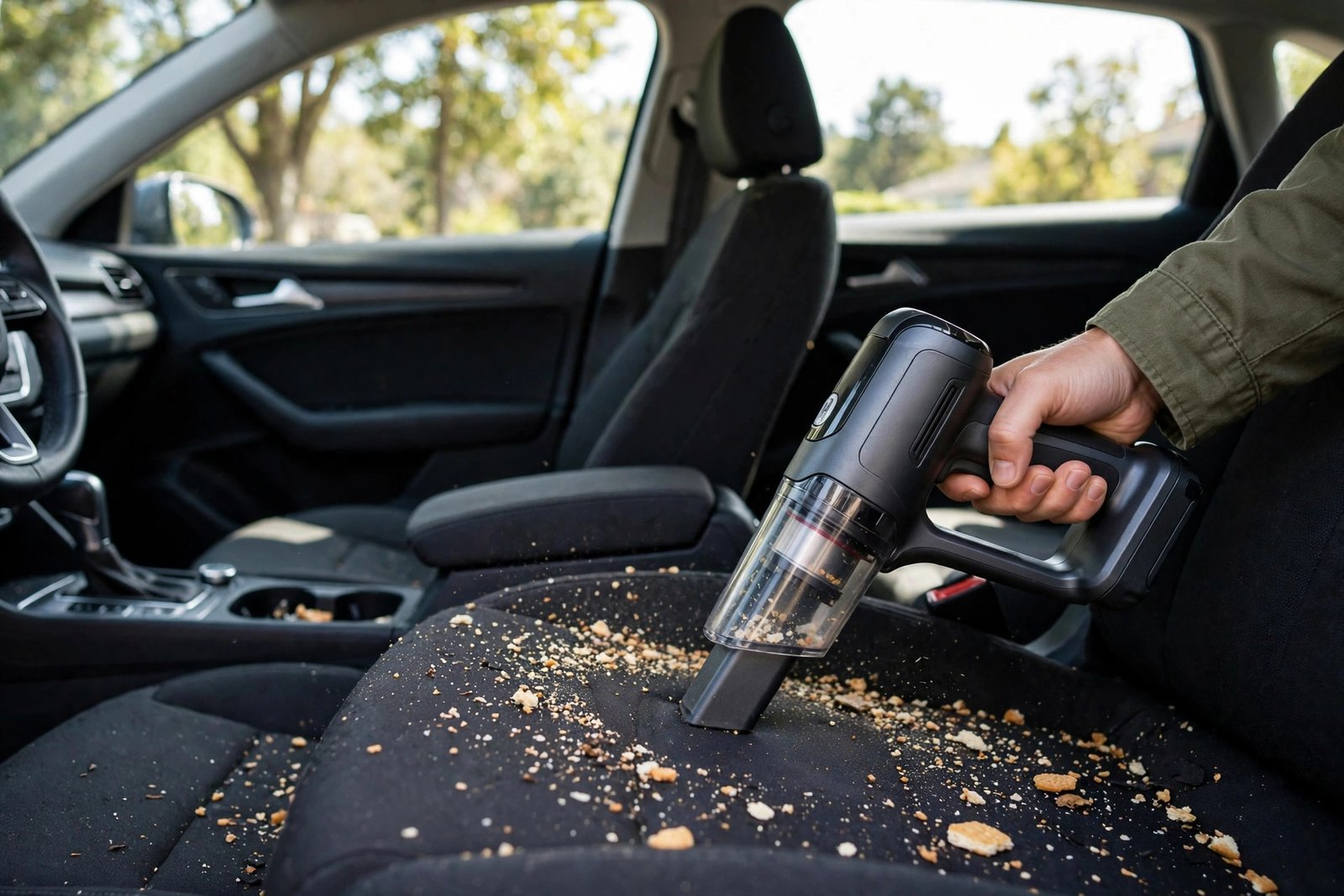
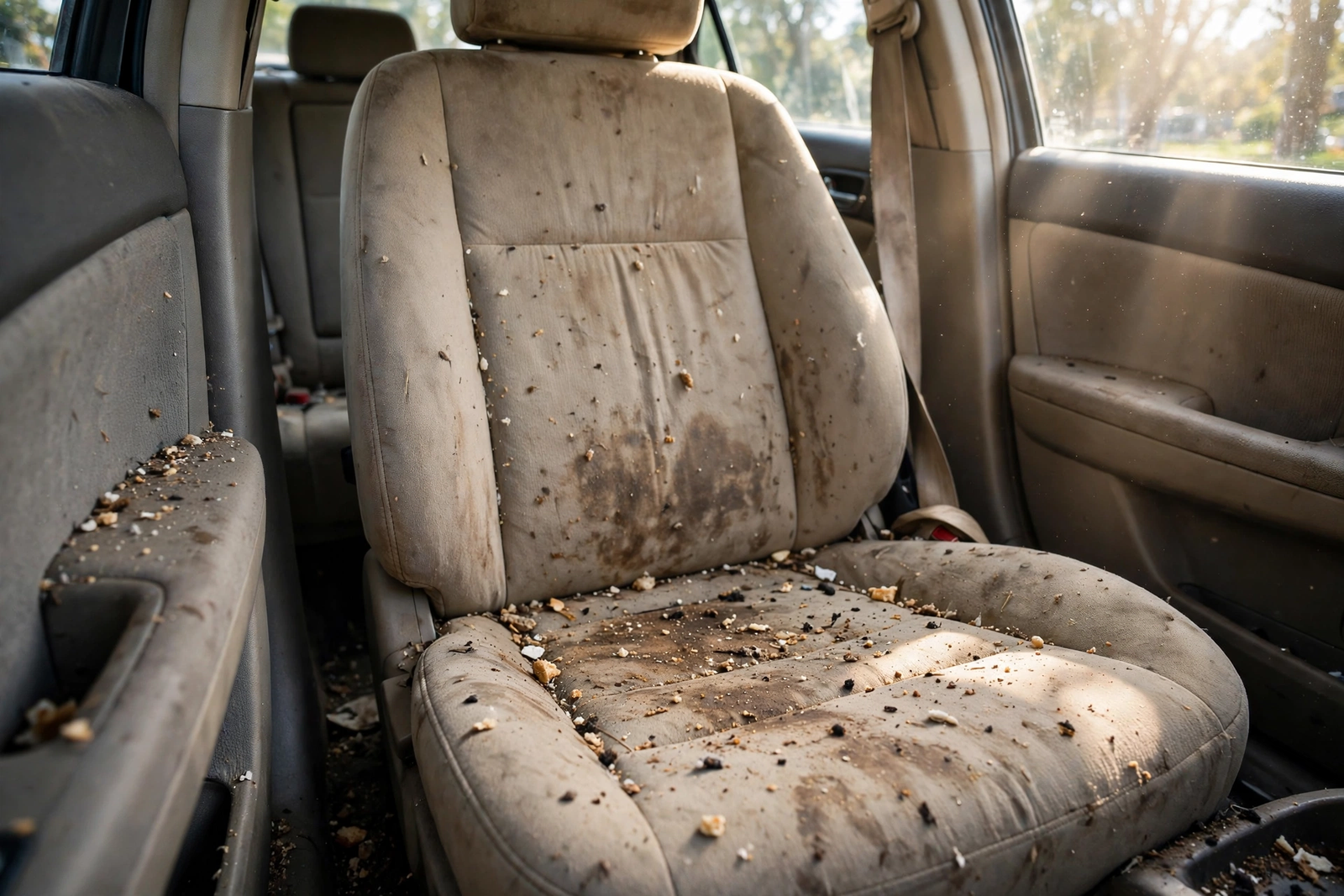
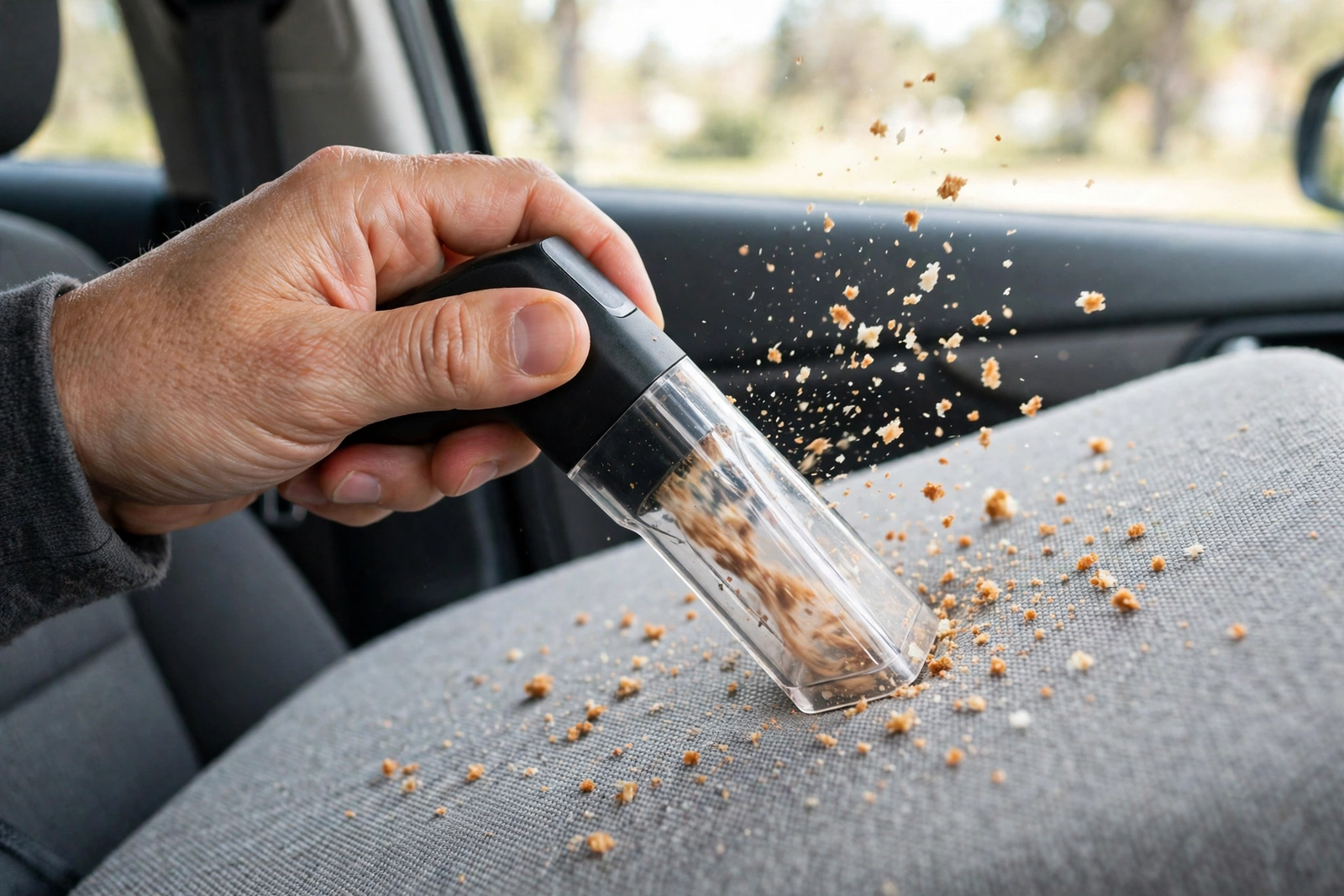
Every seat-cleaning job starts with a vacuum, whatever the material — it is the first step in how to clean car seats. Loose dirt, crumbs, sand, and pet hair turn into mud the moment they meet a damp cloth, and wet dirt ground into cloth is harder to remove than dry dirt vacuumed away.
Work the seat in sections: cushion, backrest, sides, headrest. Use a crevice tool for the seams and the seat-console gap, where crumbs collect. On cloth, a brush attachment agitates the fibres so embedded hair and dust lift out; on leather and vinyl, a soft brush or plain nozzle is enough, since a stiff brush can scratch the coating. A handheld vacuum is the practical tool: our Shark UltraCyclone Pet Pro Plus review covers a cordless handheld with a motorised pet brush, and the ThisWorx TWC-01 review covers the corded option.
Step 2: How to Clean Cloth Car Seats
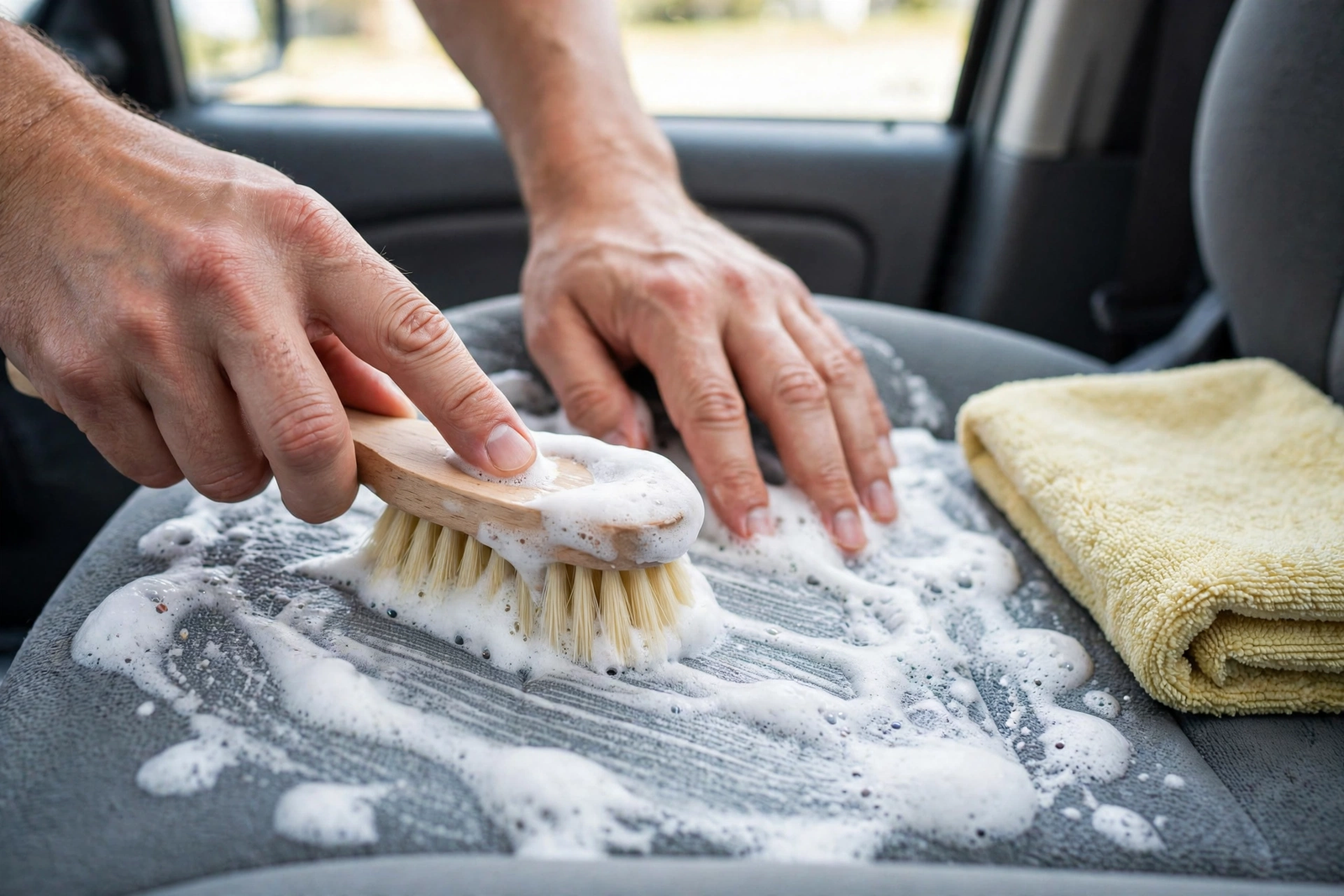
Cloth seats are the most forgiving to clean and the hardest to keep clean — the fabric absorbs everything. After vacuuming, the next step in how to clean car seats made of cloth is a fabric cleaner. Mist the product onto a soft detailing brush or a microfiber towel — not directly onto the seat — and agitate gently in small circles. The brush lifts dirt out of the weave; the towel carries it away. Work one section at a time, blotting as you go. Keep the seat damp, never soaked: cloth over foam soaks up water fast, and a soaked seat takes days to dry and can grow mildew underneath.
For light dirt, that is the whole job. For ground-in dirt and old stains, a spray-and-wipe cleaner will not reach deep enough, and that is where an extractor earns its keep: it sprays solution into the fabric, scrubs, and suctions the dirty water back out. The BISSELL Little Green Mini is the compact option for seats — its 4-inch tool fits a cushion, and its 16-ounce tank covers a seat or two. Our BISSELL Little Green Mini vs Multi comparison covers which size suits car seats.
Step 3: How to Clean Leather Car Seats
The leather version of how to clean car seats needs a gentler method than cloth: the surface is a coated skin, not a weave. After vacuuming, apply a leather-safe cleaner — or a multi-surface cleaner listed for leather — onto a microfiber towel, never sprayed straight onto the seat. Wipe in straight lines, one panel at a time, using a soft brush only on the grain and stitching. The Chemical Guys Total Interior Cleaner is made for this job: it lists leather among its surfaces, and the manufacturer says to mist it onto the towel first.
Two things leather cleaning must not do: soak the seat, and leave it unprotected. Leather dries out, and a cleaner strips the natural oils along with the dirt. After cleaning, apply a dedicated leather conditioner to dry or older leather to restore suppleness and help prevent cracking. A cleaner that also claims to protect, like the Chemical Guys bottle, covers light protection for routine cleaning, but it is not a deep conditioner. Buff dry with a second clean towel. Watch for perforated leather: liquid pools in the tiny holes of ventilated seats, so use a barely damp towel and never spray near them.
Chemical Guys Total Interior Cleaner & Protectant on Amazon: model SPI22016, 16 oz spray, cleaner and protectant for leather, vinyl, plastic, glass, cloth, carpet and screens, with UV blockers.
Step 4: How to Clean Vinyl and Alcantara Seats
Vinyl is the easiest seat material to clean: it does not absorb spills. A mild all-surface interior cleaner on a microfiber towel lifts it off, and a second clean towel buffs it dry. The best car seat cleaner for vinyl is the same bottle you use on the dashboard and door panels — one product for the whole interior. Avoid shiny, greasy dressings on seats: a slippery seat is a safety problem, and the matte factory finish is what most drivers want.
Alcantara is the opposite: the most delicate material in this guide to how to clean car seats. This microfibre suede stains and mats if scrubbed hard or soaked, so clean it with a barely damp microfiber cloth and a gentle cleaner made for Alcantara or delicate fabrics, using light strokes in one direction. Never use a stiff brush, never soak it, and never use a leather conditioner on it. A soft suede brush restores the nap once it is clean and dry; if it is heavily stained, a professional detailer is the safer call.
Stain-Specific Fixes for Car Seats
Stain removal is where how to clean car seats gets specific: the first move is almost always the same — blot, do not rub. Rubbing pushes a stain deeper into cloth and spreads it across leather. Blot with a clean towel, work from the outside inward, and treat the stain while it is fresh — a week-old stain is a different job. Coffee and food on cloth usually lift with a fabric cleaner and a brush, plus an extractor pass for stubborn marks. Body oils on leather come off with a leather-safe cleaner and a soft brush in the grain. Pet accidents need an extractor or an enzymatic cleaner, because the smell lives in the foam. Ink and dye transfer, such as blue dye from new jeans onto light leather, are the hardest: a gentle leather cleaner may lighten them, but a dyed surface often needs a professional. Never use household solvents, bleach, or abrasive pads on any seat material — the stain may go, but so will the finish.
Drying: How to Avoid Smells and Mould
Drying is the step most guides to how to clean car seats skip, and it decides whether a cleaned seat stays clean or starts to smell. Cloth seats hold water in the fabric and foam, and a seat closed up wet grows mildew — the sour smell that makes a car feel dirty a week after cleaning. After the last pass, blot or suction out as much moisture as you can, then let the car dry with air moving through it: doors open, or windows cracked. A warm, dry day in the sun dries cloth seats in a few hours; a cold, damp day takes much longer, which is a reason to clean seats on a dry day. Do not sit on a damp cloth seat, and do not use a hair dryer on high heat on leather or Alcantara. If a seat still feels damp the next morning, it needs more air. If mould has already set in, ventilate the car with the doors open, wear a mask while you work, and consider a professional clean rather than scrubbing a large patch yourself.
What NOT to Do When Cleaning Car Seats
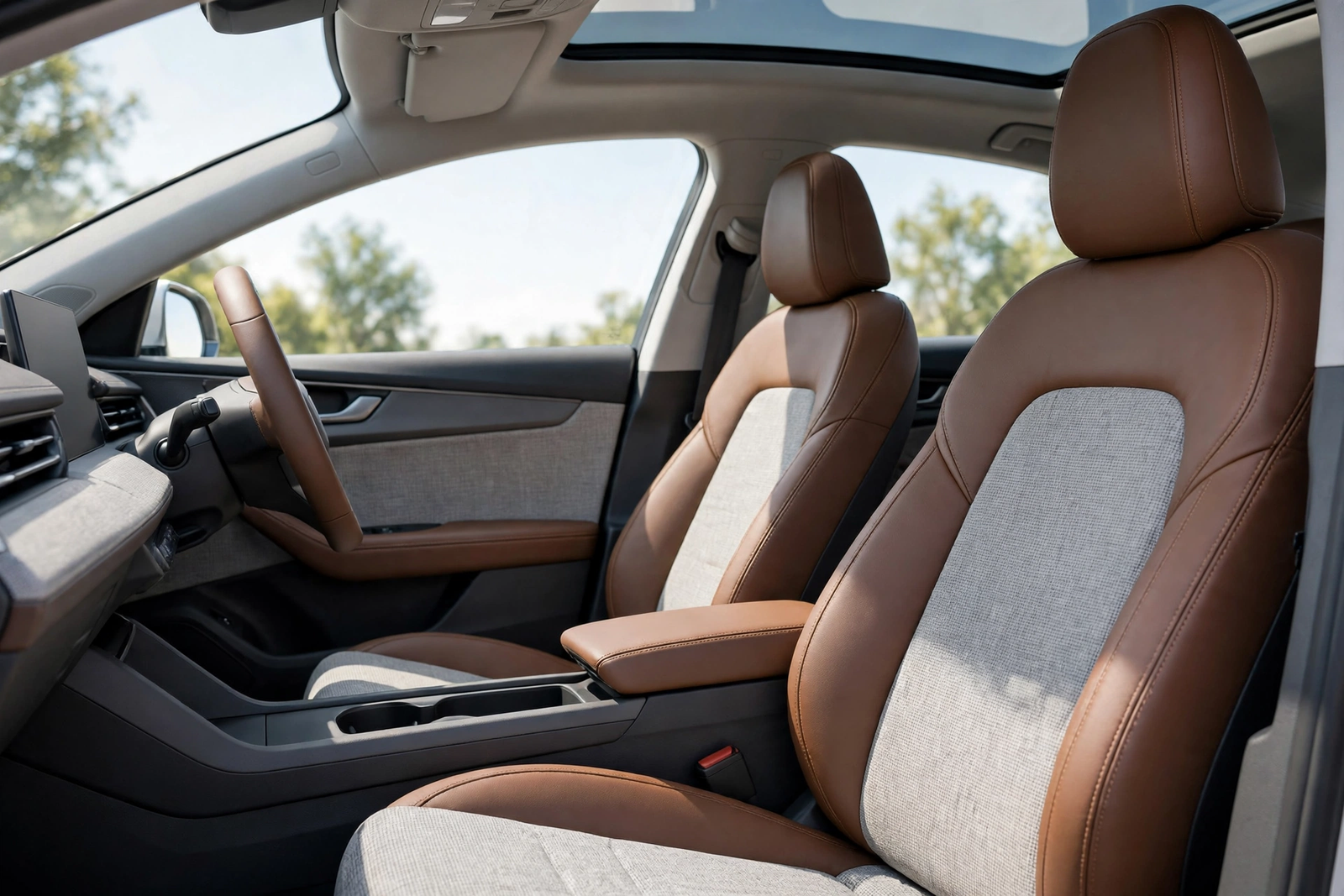
The mistakes below are the fastest way to get how to clean car seats wrong. First, do not soak any seat: a soaked cloth seat can grow mildew, and a soaked leather seat can stain and stiffen. Second, do not use household cleaners not made for car interiors — kitchen sprays, glass cleaner with ammonia, and bleach damage seat surfaces. Third, do not spray cleaner directly onto the seat: overspray lands on screens, vents, and stitching. Fourth, do not scrub leather or Alcantara with a stiff brush. Fifth, do not use a steam cleaner unless you know the material can take it. Sixth, do not dress seats with shiny protectants that make them slippery. Seventh, do not clean seats in direct sun on a hot day: the cleaner dries before you can wipe it off.
When an Extractor Is Worth It — and When It Is Not
Knowing when an extractor helps is part of how to clean car seats well: it is worth it when the dirt is in the fabric, not on it — ground-in stains, pet accidents, spilled drinks dried into the foam, and a car untouched for a year. The spray-scrub-suction cycle is the only DIY method that pulls dissolved dirt out of cloth instead of moving it around. The BISSELL Little Green Mini is the size that fits a seat; the full-size Multi suits whole interiors and house carpet as well. It is not worth it for leather or vinyl seats — an extractor is a fabric tool — nor for a weekly tidy: a vacuum and a spray cleaner cover maintenance. It also needs a power outlet within reach of the car, so a corded machine is useless if you park where there is no power.
BISSELL Little Green Mini Portable Carpet and Upholstery Cleaner on Amazon: model 4075, 7 pounds, 16-ounce clean tank, 4-inch Tough Stain Tool, HydroRinse self-cleaning hose tool, 8 oz BISSELL Little Green Formula.
The Verdict
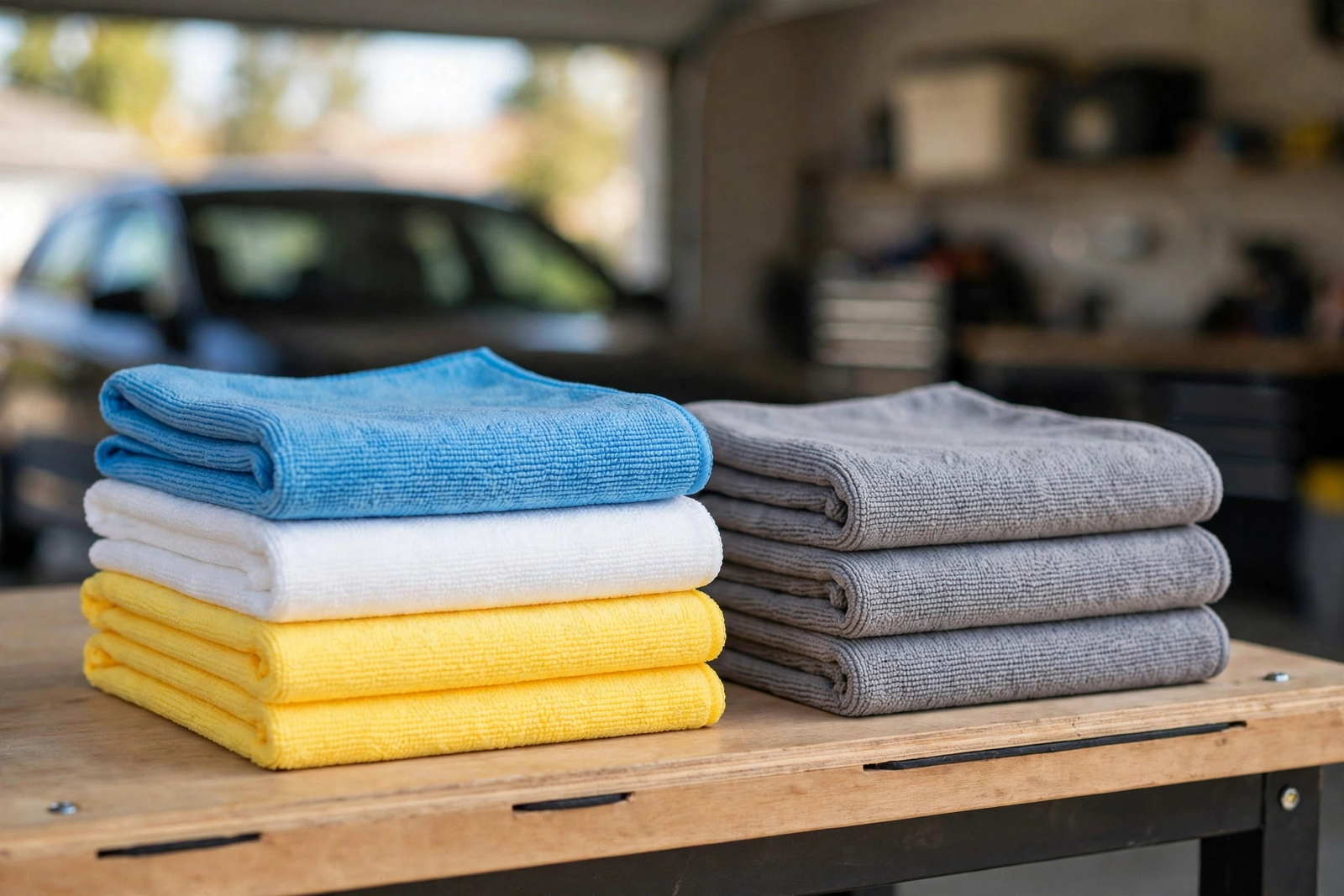
Knowing how to clean car seats comes down to matching the method to the material: vacuum first, identify the surface, use a product made for it, apply it to a towel, and dry the seat properly. Cloth takes a fabric cleaner or an extractor; leather takes a gentle cleaner plus conditioner; vinyl takes a mild all-surface cleaner; Alcantara takes the lightest touch. That is how to clean car seats without damaging them: start with the spray bottle and two microfiber towels for the weekly clean, and add an extractor when the dirt goes deeper than a wipe can reach.
Chemical Guys Total Interior Cleaner & Protectant on Amazon: model SPI22016, 16 oz spray, cleaner and protectant for leather, vinyl, plastic, glass, cloth, carpet and screens, with UV blockers.
Frequently Asked Questions
How do I clean cloth car seats without soaking them?
Learning how to clean car seats without soaking them starts with the vacuum. Then mist a fabric cleaner onto a soft brush or a microfiber towel — not directly onto the seat — and agitate gently in small sections, blotting with a clean dry towel as you go. Use as little liquid as the job needs. For deep dirt, an extractor suctions the solution back out, which is why it cleans cloth better than spray-and-wipe alone. Let the seat dry fully with air moving through the car.
Can I use the same cleaner on leather and cloth seats?
A multi-surface interior cleaner listed for both, like the Chemical Guys Total Interior Cleaner, can be used on leather and cloth for light cleaning — but the method differs. On leather, wipe with a towel and follow with conditioner if the leather is dry. On cloth, agitate with a brush and blot. Heavy stains on cloth need a dedicated fabric cleaner or an extractor, and leather should never be soaked or scrubbed with a stiff brush.
How do I get a stain out of a car seat?
Blot first — do not rub, because rubbing pushes the stain deeper into cloth and spreads it across leather. Work from the outside inward, use a cleaner made for the seat material, and treat the stain while it is fresh. Coffee and food on cloth usually lift with a fabric cleaner and a brush; body oils on leather come off with a leather-safe cleaner; pet accidents need an extractor or an enzymatic cleaner, because the smell lives in the foam.
How do I clean leather car seats without damaging them?
Vacuum first, then apply a leather-safe cleaner to a microfiber towel — never sprayed straight onto the seat — and wipe in straight lines, one panel at a time. Use a soft brush only on the grain and stitching. Do not soak the seat, and condition dry or older leather afterwards, because cleaning strips oils along with the dirt. On perforated leather, use a barely damp towel so liquid does not pool in the holes.
Can I use a carpet cleaner on my car seats?
Yes, on cloth seats. A portable carpet cleaner is an extractor, and it works on cloth upholstery as well as floor carpet — the Little Green Mini listing names carpet, upholstery, and auto interiors. Do not over-wet the seat, test a hidden spot first, and let the seat dry fully. Do not use an extractor on leather or vinyl seats; they clean with a towel and a leather-safe or all-surface cleaner.
Why do my car seats smell after cleaning them?
Usually because the seat was left damp. Cloth seats hold water in the fabric and the foam underneath, and a seat closed up wet grows mildew, which is the sour smell. After cleaning, blot or suction out as much moisture as you can and let the car dry with air moving through it — doors open or windows cracked on a dry day. Do not sit on a damp seat, and do not close the car up wet overnight.