
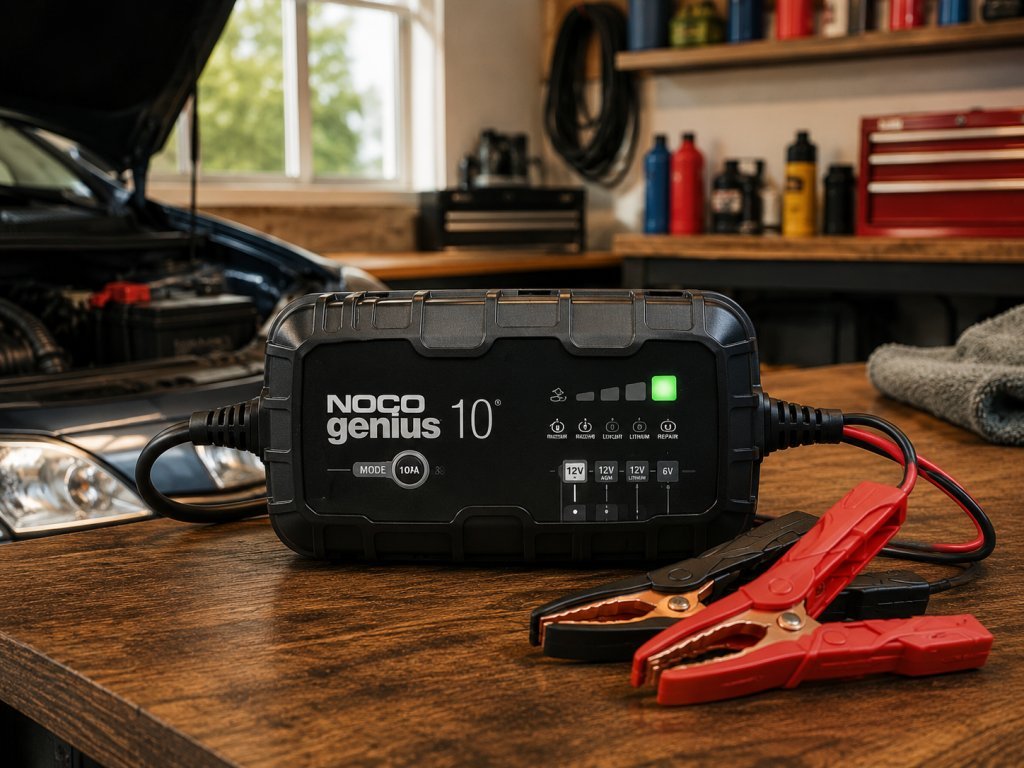
For most drivers, a smart automatic charger is the best car battery charger for home use because it prevents overcharging and needs no monitoring. Some smart chargers may struggle to detect a deeply discharged battery, in which case a manual charger or a smart charger with a repair mode can be used.
Comparing home battery charger options
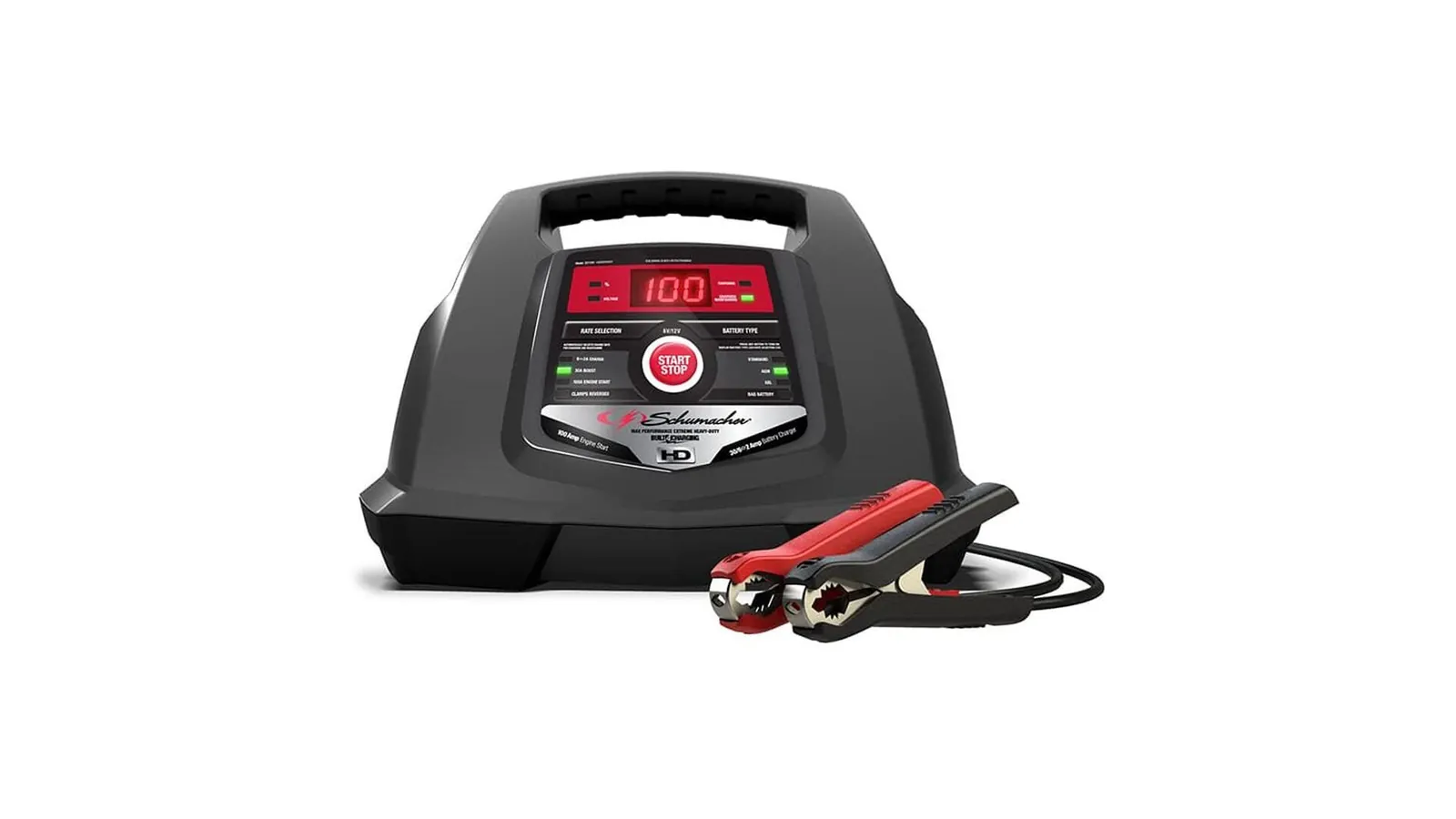
Choosing the right tool depends on your battery’s condition and how much time you have. The table below compares the three main types of chargers available today.
| Method | How long | Effort | Cost | Best for | | :— | :— | :— | :— :— | | Smart Automatic | 4–12 hours | Low | Medium | Regular maintenance and overnight use | | Manual Trickle | 12–24 hours | High | Low | Long-term storage of classic cars |
Smart chargers adjust voltage automatically, making them safe for leave-it-and-forget-it scenarios. Manual trickle chargers require you to watch the gauge and disconnect them manually to avoid damage.
Using a smart automatic charger
This device connects to your battery and manages the entire cycle without your help. It senses the battery level and switches to a low-maintenance float mode once full.
- Park the car in a ventilated area and turn off the engine.
- Connect the red clamp to the positive terminal and black to negative.
- Plug the unit into a standard wall outlet.
- Wait for the green light indicating a full charge, usually taking 6 hours.
These chargers excel at keeping seasonal vehicles ready during winter months. Their main weakness is that they often can’t wake up a battery with zero voltage. If your battery reads completely dead, you may need a smart charger with a recovery mode or a professional assessment.
Operating a manual trickle charger
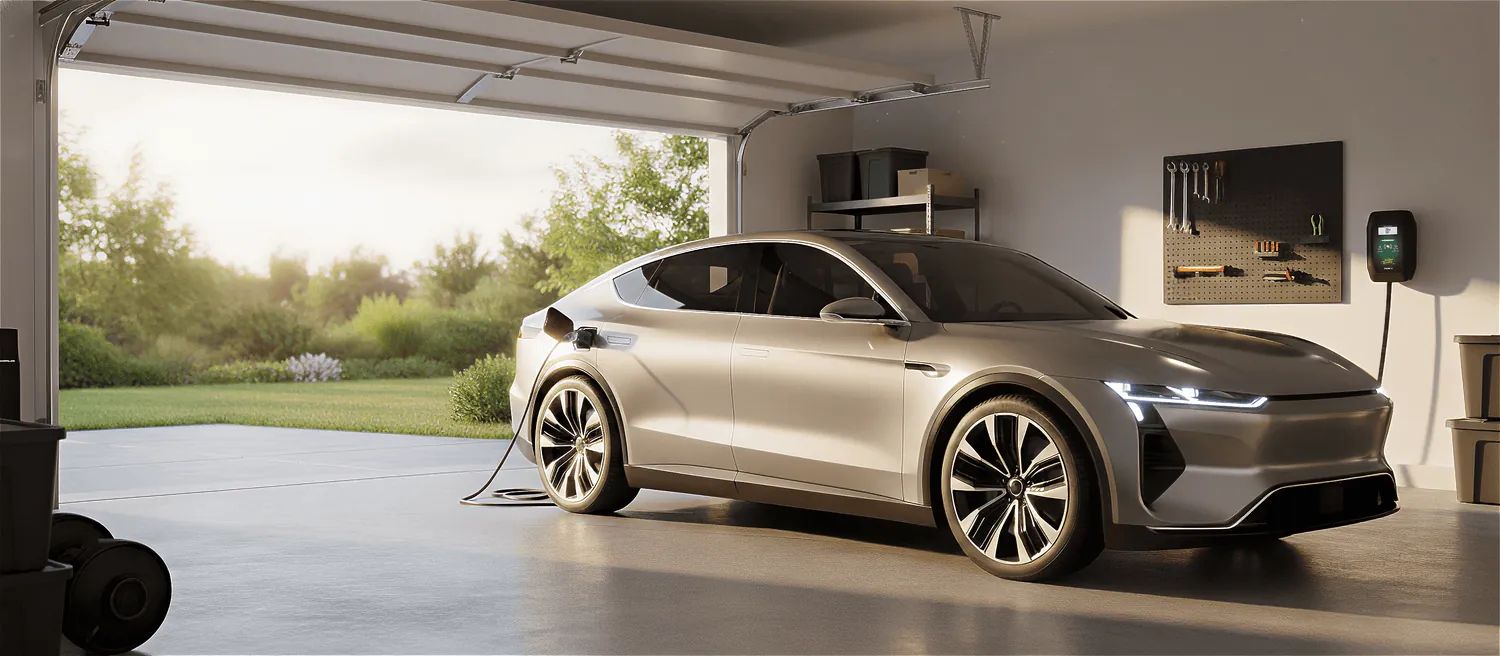
This older style delivers a constant, low current that you must monitor yourself. It’s simple technology but requires your attention to prevent overheating the battery.
- Attach the clamps to the correct terminals just like before.
- Set the dial to the lowest amp setting, typically 2 amps.
- Check the battery every few hours for heat or gassing.
- Unplug the unit immediately when the electrolyte bubbles vigorously.
This method is excellent for very old batteries that confuse modern electronics. However, leaving it connected too long will boil the water out of your cells. You must physically disconnect it, or you risk ruining the battery permanently.
Trying a high-frequency rescue unit
They’re designed for emergencies rather than full recharging cycles.
- Clip the leads onto the battery terminals securely.
- Press the single button to start the desulfation pulse.
- Attempt to start the car engine immediately.
They work well when you’re stranded in a parking lot. The downside is they rarely provide enough energy for a long drive afterward. If a fourth option exists, such as solar maintainers, it’s generally too slow for emergency home use and only suits boats in direct sunlight.
Picking the right charger for you
Your specific situation dictates which tool you should buy today. If you’re in a hurry to leave the house, a high-frequency rescue unit gets you moving fastest. First-time users should choose a smart automatic charger because it eliminates the risk of human error. When you want the best possible result for a stored collection car, a manual trickle charger offers the gentlest long-term care. Each choice trades convenience for control or speed for depth.
Safety rules for all chargers
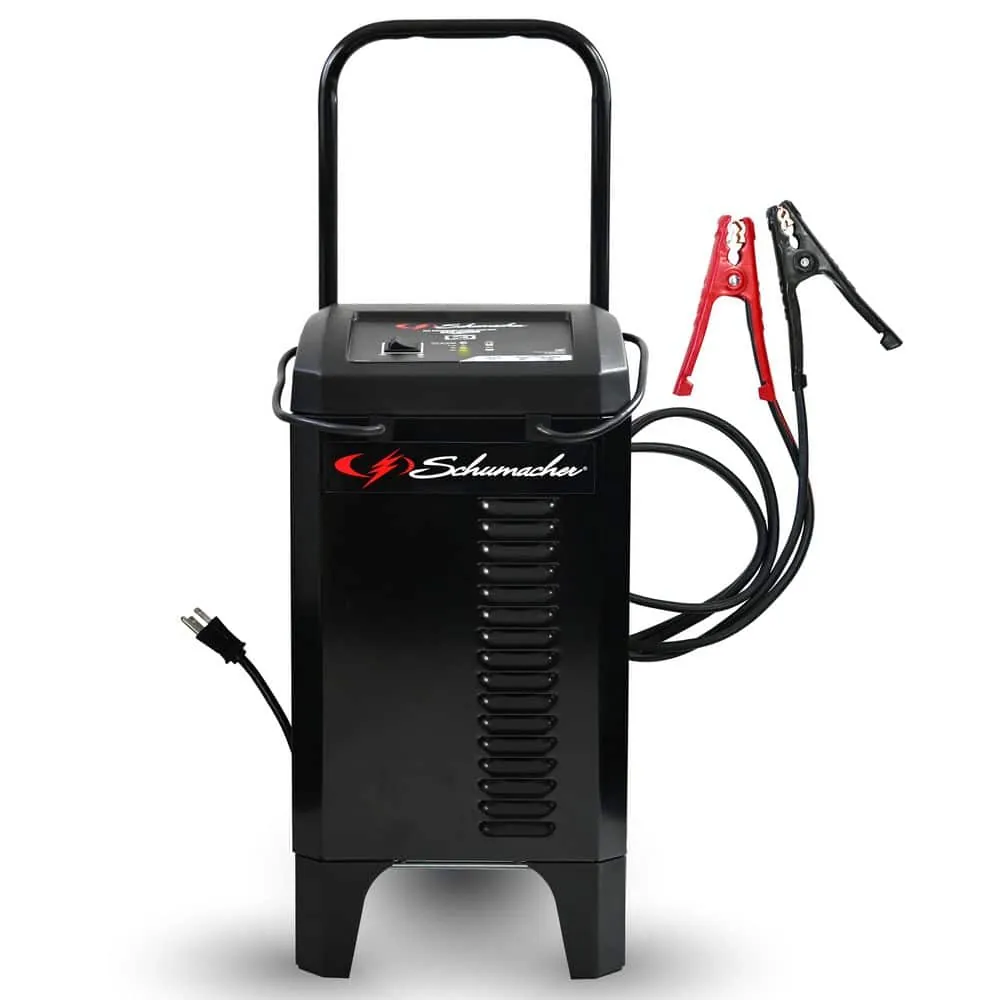
Regardless of the model you pick, certain safety steps never change. Always work in an open space because charging batteries release hydrogen gas that can explode. Wear eye protection and remove metal jewelry before touching the terminals. Check the cable insulation for cracks before every single use.
If you smell rotten eggs or see smoke, stop immediately and move away. For specific guidance on handling lead-acid batteries safely, consult the battery safety guidelines from OSHA. Never attempt to charge a frozen battery, as it will burst.
Related guides
Frequently asked questions
Can I leave a charger on overnight?
Yes, but only if you use a smart automatic charger with a float mode. Manual chargers will overheat the battery if left unattended for that long. Always check your specific model’s manual before sleeping.
How long does it take to charge a dead battery?
It takes 4 to 12 hours using a standard 10-amp smart charger on a typical car battery. A completely dead battery may take up to 24 hours on a low 2-amp setting. Time varies based on the battery’s total capacity.
Is it safe to charge a battery in the rain?
No, you should never charge a battery outdoors while it’s raining or snowing. Water conducts electricity and can cause severe shock or short-circuit the charger. Move the vehicle to a garage or use a covered shelter.
What happens if I connect the clamps backwards?
You’ll likely blow the charger’s internal fuse or damage the car’s computer system. Modern units have reverse polarity protection that stops the flow instantly. If sparks fly, disconnect immediately and check for damaged cables.
Why is my battery not holding a charge?
The battery likely has a broken internal cell or heavy sulfate buildup on the plates. This often happens if the battery sat empty for several weeks. You may need to replace the unit if a desulfation cycle fails.
How often should I charge my stored car?
You should connect a maintainer once every month during winter storage periods. This frequency keeps the chemical reaction active without overworking the cells. Letting it drop below 12 volts repeatedly shortens its life.
Conclusion
Pick a model that fits your vehicle’s needs and keep it handy in your garage. You’ll feel much more confident knowing you can revive a dead battery yourself. It’s a small investment that saves you from unexpected roadside headaches, so don’t wait until you’re stuck to buy one.
One thought on “Best Car Battery Charger for Home Use”