
Motor oil is the one fluid every car owner buys, and full synthetic is what most owner manuals now specify. Valvoline Advanced Full Synthetic is Valvoline’s mainstream full-synthetic line, positioned between basic conventional-blend oils and the premium extended-protection lines. This review looks at the 5-quart jug of SAE 0W-20: what full synthetic actually buys you, who the 0W-20 viscosity fits, and whether this is the right oil for your car.
The headline facts from the listing: a 4.8-star rating across more than 10,000 reviews, and a 5-quart jug, which covers the typical oil change for most four-cylinder cars (many take 4.5 to 5 quarts). Before buying any oil, check your owner’s manual for the required viscosity and specification; 0W-20 is common in modern cars but not universal.
The short answer: for drivers whose manual specifies 0W-20, Valvoline Advanced Full Synthetic is a legitimate mainstream choice: full-synthetic base stocks with the cold-flow and high-temperature stability that conventional oil cannot match, at a 4.8-star rating across 10,000-plus reviews. Always match the viscosity to your owner’s manual first.
As an Amazon Associate I earn from qualifying purchases.
Table of Contents
Table of Contents
Quick Pick: Valvoline Advanced Full Synthetic
| Pick | Product | Best For | Check Price |
|---|---|---|---|
| Best Overall | Valvoline Advanced Full Synthetic SAE 0W-20 Motor Oil 5 QT | 4.8 stars across 10,600+ reviews; mainstream full synthetic | |
| Best Value Jug | Valvoline Advanced Full Synthetic SAE 0W-20 Motor Oil 5 QT | 5 quarts covers most 4-cylinder oil changes in one jug | |
| Best for Manual Spec | Valvoline Advanced Full Synthetic SAE 0W-20 Motor Oil 5 QT | Meets the 0W-20 full-synthetic spec most modern manuals call for |
Valvoline Advanced Full Synthetic SAE 0W-20 Motor Oil 5 QT
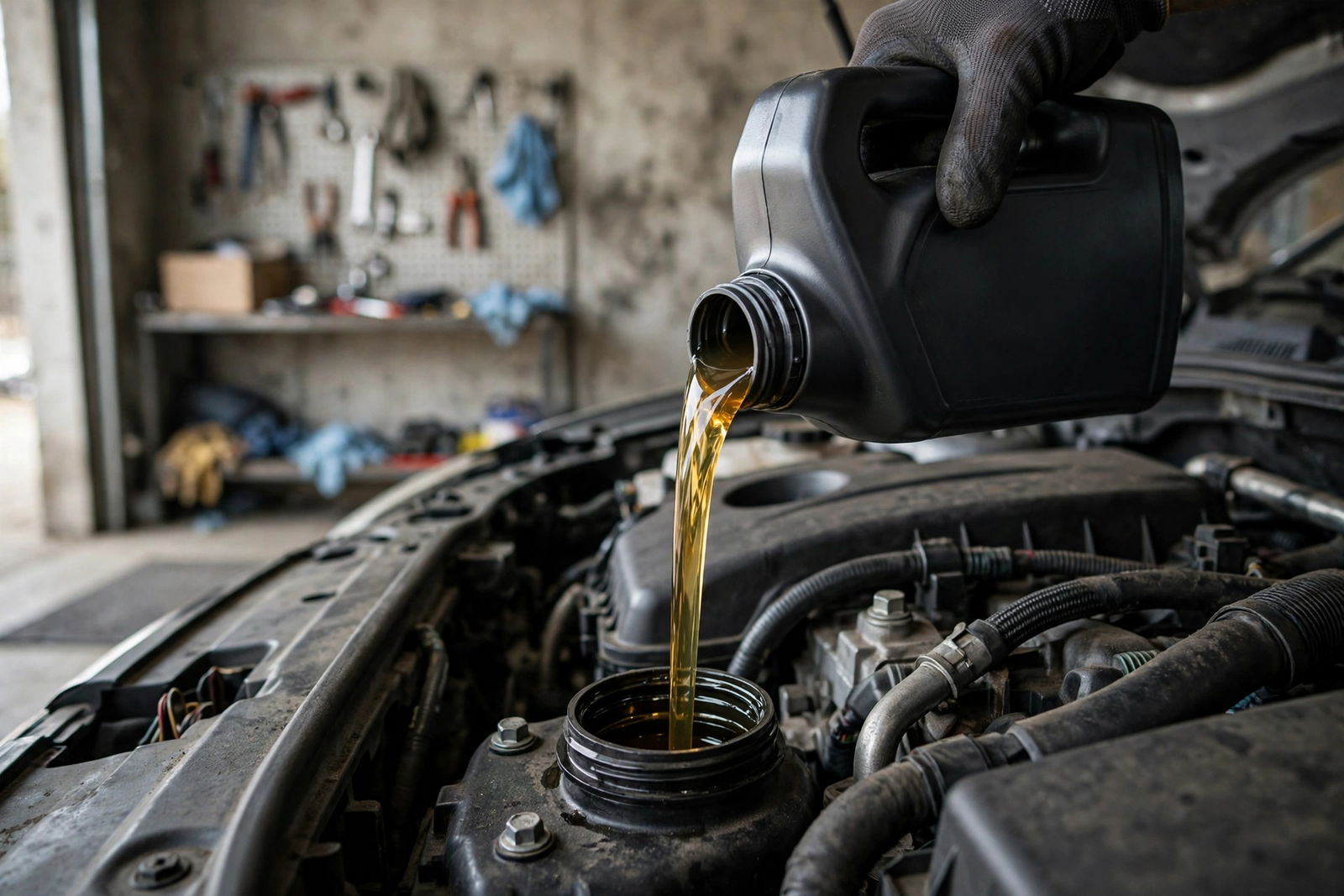
Full synthetic matters most at the extremes: cold starts and sustained heat. A 0W-20 full synthetic flows quickly on a freezing morning, reaching bearings faster than a thicker or conventional oil, and resists breakdown under high operating temperatures. Valvoline markets the Advanced line on exactly those two fronts, and the 4.8-star rating across 10,000-plus reviews suggests owners are satisfied in practice.
What stands out: the rating at this review volume is the signal. Over 10,000 owners rating a motor oil 4.8 stars means the product consistently meets expectations, which for oil means no consumption surprises, no sludge complaints, and clean changes.
Worth knowing: oil choice starts with the manual, not the brand. If your manual specifies 5W-30 or 5W-20, buy that viscosity instead of this 0W-20 jug. And follow the manual’s change interval; full synthetic tolerates longer intervals than conventional, but the manufacturer’s schedule is the authority, not the oil brand’s marketing.
Valvoline Advanced 0W-20 at a Glance
| Viscosity | SAE 0W-20 |
|---|---|
| Type | Full synthetic |
| Size | 5 US quarts |
| Best for | Modern cars whose manual specifies 0W-20 |
| Rating | 4.8 stars across 10,600+ reviews |
Buying Guide: Viscosity, Specs, and Change Intervals
Match viscosity to the manual. 0W-20 is specified for many modern engines, but plenty of cars call for 5W-20, 5W-30, or 0W-16. The wrong viscosity can affect warranty coverage and fuel economy. The manual wins every argument.
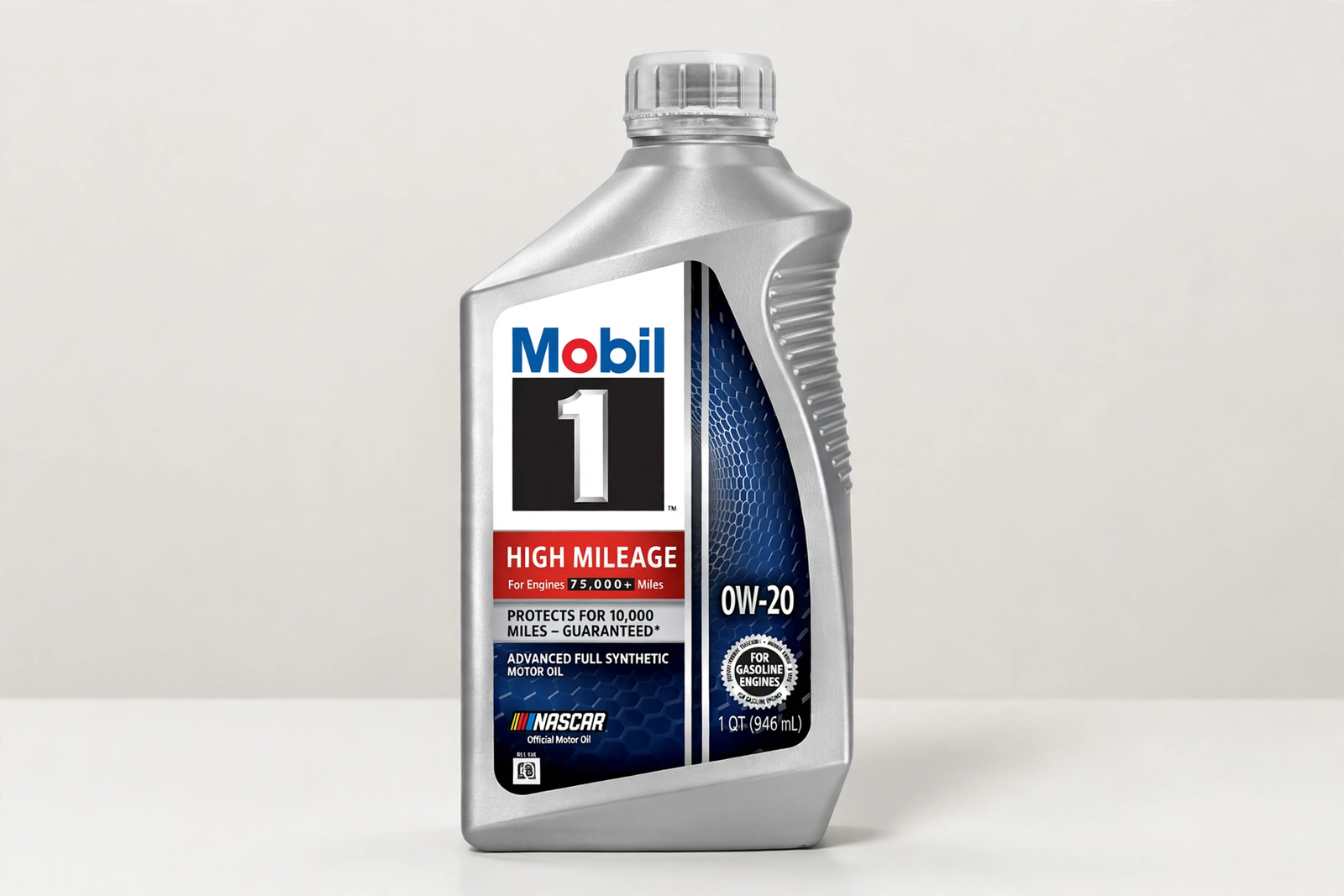
Full synthetic vs conventional. Full synthetic resists thermal breakdown and flows better when cold. For turbocharged engines and stop-and-go driving, it is the safer choice. For older high-mileage engines, a high-mileage formulation (like Mobil 1 High Mileage or Valvoline MaxLife) adds seal conditioners.
Buy the right jug size. Five quarts covers most four-cylinder changes. Six-cylinder and V8 engines often need six to eight quarts, which means a second jug. Check capacity before you buy.
Follow the interval, not the hype. Many manuals now allow 7,500 to 10,000 miles on full synthetic. Do not stretch beyond the manual’s interval just because the oil is synthetic; the filter and the engine’s tolerance matter too.
Who Fits Whom
- 0W-20-spec owners: if the manual says 0W-20 full synthetic, this jug is a direct, well-reviewed fit.
- DIY oil changers: the 5-quart jug is the convenient one-change size for four-cylinder cars.
- Conventional-oil upgraders: moving to full synthetic is the single best oil upgrade for a daily driver.
- High-mileage engines: consider a high-mileage formula instead; see our car maintenance checklist for what to watch past 100,000 miles.
Full Synthetic vs High-Mileage vs Conventional: The Oil Aisle Decoded
Conventional oil is refined crude with additives. It is the cheapest option and fine for older engines on short intervals, but it breaks down faster under heat and flows worse when cold.
Synthetic blend mixes conventional and synthetic base stocks. A middle ground on price and protection, but the blend ratio varies by brand, so you never quite know what you are getting.
Full synthetic, like Valvoline Advanced, uses engineered base stocks for the best cold flow and heat resistance. Most owner manuals now specify it, and it is the default right answer for modern engines.
High-mileage full synthetic adds seal conditioners and extra detergents for engines past roughly 75,000 miles. Same synthetic protection, plus chemistry aimed at aging seals. If your engine is young, you do not need it; if it is aging, it is the sensible upgrade.
The real rule: viscosity from the manual, type matched to the engine’s age, changed on the manual’s interval. Brand debates are noise; those three decisions are the signal.

What the Ratings Actually Tell You About Motor Oil
4.8 stars at 10,000 reviews is the signal. Motor oil is a low-drama product: it either meets the spec or it does not. A rating this high at this volume means no pattern of consumption issues, sludge complaints, or specification misses. Owners change their oil, drive, and come back satisfied.
What reviews cannot tell you. No reviewer runs a used-oil analysis in a typical Amazon review. The rating reflects satisfaction and absence of problems, not laboratory wear-metal comparisons. For that level of data, independent oil-analysis forums publish used-oil reports by brand and viscosity.
The spec sheet matters more than the stars. Look for the API service category (currently SP for gasoline engines) and any manufacturer approvals your manual requires. An oil that meets your manual’s spec from a reputable brand is the right oil; the rating is confirmation, not the decision.
The Verdict
For any driver whose owner’s manual specifies 0W-20, Valvoline Advanced Full Synthetic is a sound, mainstream choice: full-synthetic protection, a convenient 5-quart jug, and a 4.8-star rating across more than 10,000 reviews. The only real decision is viscosity, and the manual makes that one for you.
Frequently Asked Questions
Is Valvoline Advanced full synthetic good oil?
This valvoline advanced full synthetic review lands on yes, with the usual caveat: it is good oil for engines that specify 0W-20. The 4.8-star rating across 10,000-plus reviews reflects consistent owner satisfaction, and full synthetic base stocks genuinely outperform conventional oil on cold starts and high-temperature stability.
What cars use 0W-20 oil?
Many modern cars, especially Japanese and American four-cylinders from roughly the last decade, specify 0W-20. But the only source that matters is your owner’s manual or oil cap. Never assume; always verify.
How often should I change full synthetic oil?
Follow your owner’s manual, typically 7,500 to 10,000 miles for modern cars on full synthetic. Severe service (towing, extreme heat, constant short trips) shortens the interval.
Can I switch from conventional to full synthetic?
Yes. There is no harm in switching, and most manuals now require synthetic anyway. Just change the filter at the same time and stick to the manual’s viscosity.
Is 5 quarts enough for an oil change?
For most four-cylinder engines, yes. Many take 4.5 to 5 quarts with a filter. Larger engines need more; check your manual’s capacity before buying.
Valvoline Advanced vs MaxLife: which one?
Advanced is the mainstream full synthetic for normal engines. MaxLife is the high-mileage line with seal conditioners for engines past roughly 75,000 miles. Match the line to your engine’s mileage.