Furrion vs FalconEye Backup Cameras: RV Observation or Truck Bracket?
A furrion backup camera and a falconeye backup camera both send a rear view to the cab without a video cable, but they are built for different vehicles. The Furrion Vision S is an RV observation system: a sharkfin camera that bolts onto a Furrion-prepped trailer and talks to a 7-inch monitor over a wireless link the manual rates at up to 492 feet in open spaces. The FalconEye 2nd-generation system is a truck and fleet system: heavy-duty bracket cameras bolted high on the rear of a box truck or a long trailer, with a 7-inch monitor in the cab and a wireless range the listing rates at 200-300 feet.
The short answer: buy the furrion backup camera if you tow a travel trailer or a fifth wheel, especially one already prepped for Furrion, and you want a live view while driving as well as while reversing. Buy the falconeye backup camera if you drive a box truck, a fleet truck, or a long trailer and need a rear view plus a second angle without a video cable the length of the rig. If you drive a car or SUV, buy neither — both systems are oversized for a sedan.
As an Amazon Associate I earn from qualifying purchases.
Quick Pick: Furrion Backup Camera vs FalconEye Backup Camera
| Pick | Product | Best For | Check Price |
|---|---|---|---|
| Overall Winner | Furrion Vision S Wireless RV Backup Camera System, 7-Inch Monitor, Rear Sharkfin | Travel trailers and fifth wheels: the RV observation system with the longest range claim here | Check Price on Amazon |
| Best Truck Pick | FalconEye Electronics 2nd Generation Wireless Backup Camera, 7-Inch LCD, 2-Camera System | Trucks and fleets: two bracket cameras, 7-inch monitor, 200-300-foot wireless range | Check Price on Amazon |
| Best Multi-Camera Pick | Furrion Vision S+ RV Observation System, 7-Inch Monitor, Left/Right Side Cameras | Three-camera coverage with side views and recording, for long rigs | Check Price on Amazon |
Table of Contents
What Each System Is
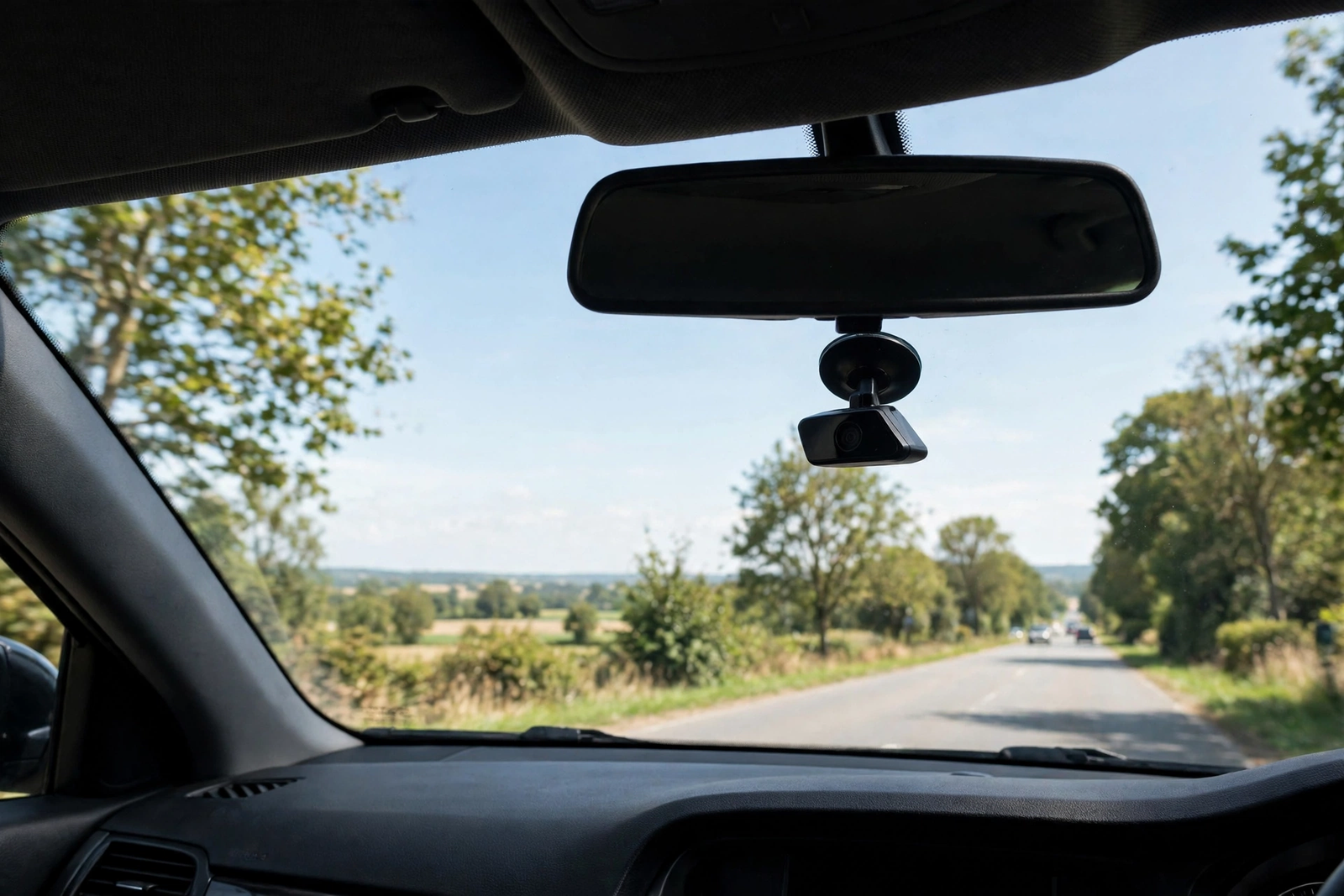
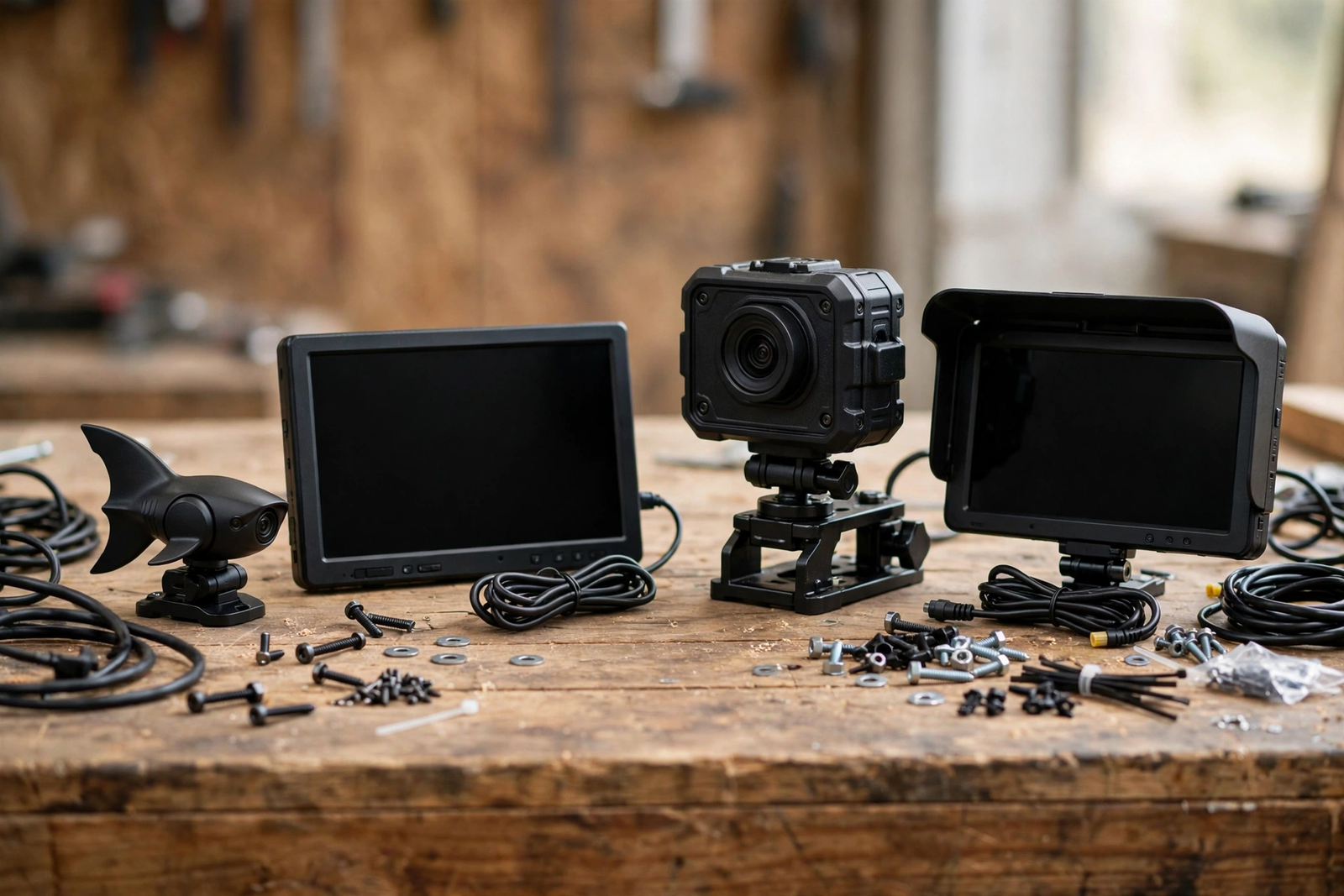
A furrion backup camera is a wireless observation system for RVs and trailers, not a reversing camera for a sedan. The camera in this comparison is the Furrion Vision S, model FOS07TASF: a rear sharkfin camera with a 7-inch touchscreen monitor in the tow vehicle. It stays on the trailer and shows the road behind it whenever the running lights are on, while driving as well as while reversing. Our Furrion backup camera review covers the Vision S line on its own in full depth.
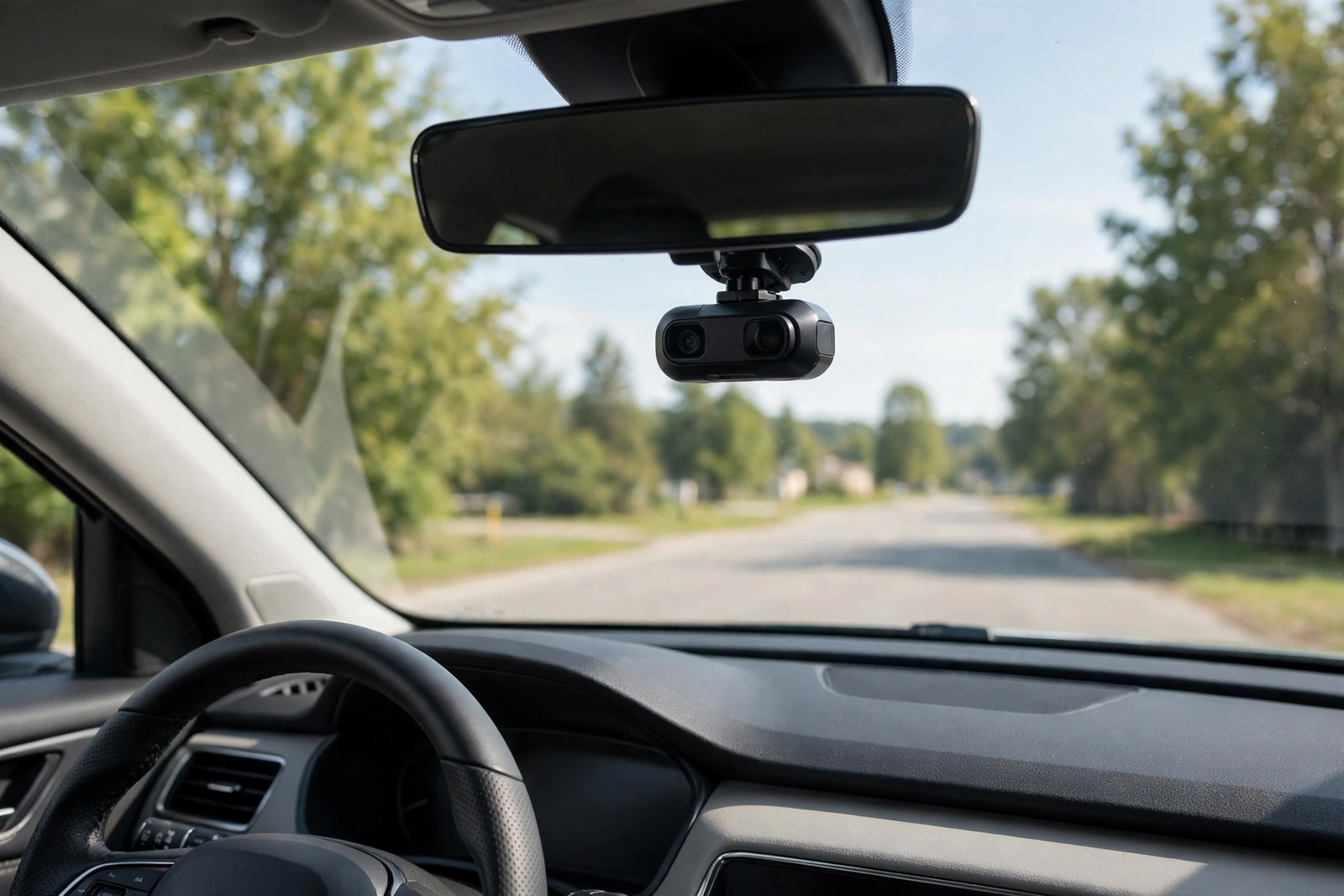
A falconeye backup camera is a wireless observation system for trucks and fleets. The kit in this comparison is the FalconEye Electronics 2nd generation 2-camera system: two heavy-duty bracket cameras and a 7-inch TFT-LCD monitor with a built-in receiver and a sun shield, sold by FalconEye Electronics LLC and first listed in October 2024. The cameras bolt high on the rear of the truck or trailer, where they see over the load, and the driver sees behind the rig while reversing and in traffic. Our FalconEye backup camera review covers the FalconEye system on its own in full depth. Do not confuse the two brands: Furrion is the RV brand with the sharkfin camera for prepped trailers, FalconEye is the truck brand with the bracket camera for fleets — a different company and a different mount.
| Spec | Furrion Vision S | FalconEye 2-Camera |
|---|---|---|
| System | RV observation system, sharkfin camera | Truck and fleet system, 2 bracket cameras |
| Monitor | 7-inch touchscreen | 7-inch TFT-LCD, sun shield, built-in receiver |
| Camera resolution | 720 x 480, 120-degree view | 720p HD, per the manual |
| Wireless range | Up to 492 ft open; up to 100 ft at highway speeds, per the manual | 200-300 ft, per the listing and the manual |
| Cameras | 1 rear sharkfin; monitor displays up to 4 cameras | 2 bracket cameras; monitor connects up to 4 cameras |
| Power | 12-volt, usually wired to the trailer running-light circuit | 12-volt feed from the vehicle; monitor needs cab power |
| Recording | Live view only, as listed | Not stated in the listing as crawled — confirm before buying |
| Weatherproofing | IP65 | IP68 heavy-duty bracket cameras |
| Mounting | Sharkfin bracket on a Furrion-prepped trailer | Bolted bracket, high on the truck or trailer rear |
| Best for | Travel trailers and fifth wheels | Box trucks, fleet trucks, long trailers |
Furrion Vision S Wireless RV Backup Camera System on Amazon: 7-inch monitor, rear sharkfin camera, 720 x 480, IP65, wireless range up to 492 ft in open spaces.
Vehicle Fit: RV Trailers vs Trucks and Fleets
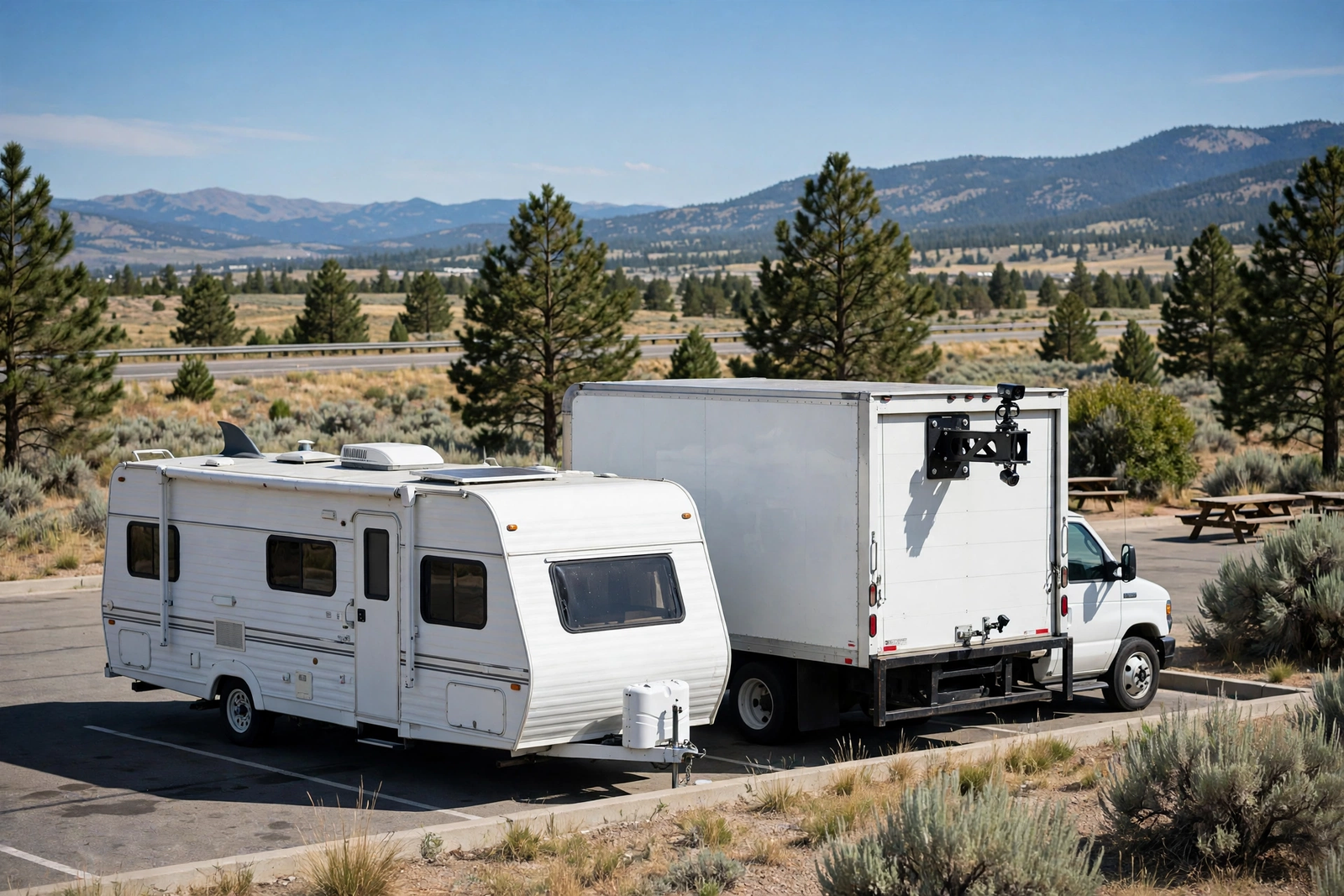
Vehicle fit is where this comparison is decided before any spec is read. A furrion backup camera is made for a trailer that is already prepped for it: a sharkfin bracket and a power connection on the rear wall, fitted by the trailer maker. Most travel trailers from Forest River, Keystone, Grand Design, Jayco, and Dutchmen are listed as prepped, per retailer and roundup sources — but check your own bracket plate first. If the bracket is there, the install is short. If it is not, you are drilling a bracket into the trailer wall and wiring power yourself.
A falconeye backup camera is made for the vehicles factory reversing cameras ignore: box trucks, fleet trucks, and long trailers. The bracket bolts high on the rear of the truck or trailer, where it sees over the load, and the 7-inch monitor sits in the cab. It is a truck and fleet system, not a car camera: the bracket has nowhere sensible to bolt on a sedan, and the 7-inch monitor eats dashboard space. Our best backup cameras roundup puts both systems side by side with the other verified kits.
Wireless Range: 492 Feet vs 200-300 Feet
Range is the Furrion system’s clearest win in this comparison, and the numbers are not close. The furrion backup camera is rated at up to 492 feet in open spaces by its manual, and up to 100 feet at highway speeds. The falconeye backup camera is rated at 200-300 feet, per its listing and manual, which calls it the effective range. Both figures are the listing’s and manual’s claims, not tested results. Judge either figure against your rig: measure from the rear camera to the cab, add a margin for the metal in between, and plan on the lower end.
Do not let the FalconEye’s shorter range mislead you: the 200-300-foot claim covers the distance from the back of a long truck to the cab with room to spare. The Furrion wins on range because it was built for a trailer plus a tow vehicle — a longer run than a truck cab to its own rear. The range to buy on is the run you actually drive, not the biggest number on the page.
Cameras and Monitors: 7-Inch vs 7-Inch
Both systems put a 7-inch screen in front of the driver, and the screens are the most similar part of the two kits. The furrion backup camera shows a 720 x 480 picture with a 120-degree rear view on a 7-inch touchscreen monitor. The falconeye backup camera shows a 720p HD picture, per its manual, on a 7-inch TFT-LCD monitor with a built-in receiver and a sun shield, so the screen stays readable in a bright cab. The FalconEye’s picture is the sharper of the two on paper.
The camera count is where the two kits split. The Furrion Vision S in this comparison is a single rear sharkfin camera, and the monitor can display up to four cameras, so side cameras can be added later. The 5-inch 3-camera kit trades screen size for coverage: a 5-inch touchscreen monitor with a rear sharkfin and two side running-light cameras with integrated marker lights. The FalconEye 2-camera kit starts with two cameras — one for the rear and one for a second angle, a side view or a blind spot — and its monitor also connects up to four cameras, so a fleet owner can add cameras later without a second monitor.
Furrion Vision S 3-Camera Wireless RV Backup System on Amazon: 5-inch monitor, rear sharkfin plus two side running-light cameras, infrared night vision, IP65.
Installation: Sharkfin and Bracket vs Bolted Bracket
Installing a furrion backup camera starts with the bracket. On a Furrion-prepped trailer the sharkfin camera bolts onto the factory bracket and wires into the 12-volt running-light circuit, so the camera is powered whenever the running lights are on. Then pair the camera to the monitor. On a trailer without the prep, the job is longer: a bracket to mount, holes to seal, and a power feed to find. Seal new mounting holes properly, because water in a trailer wall causes damage no camera is worth.
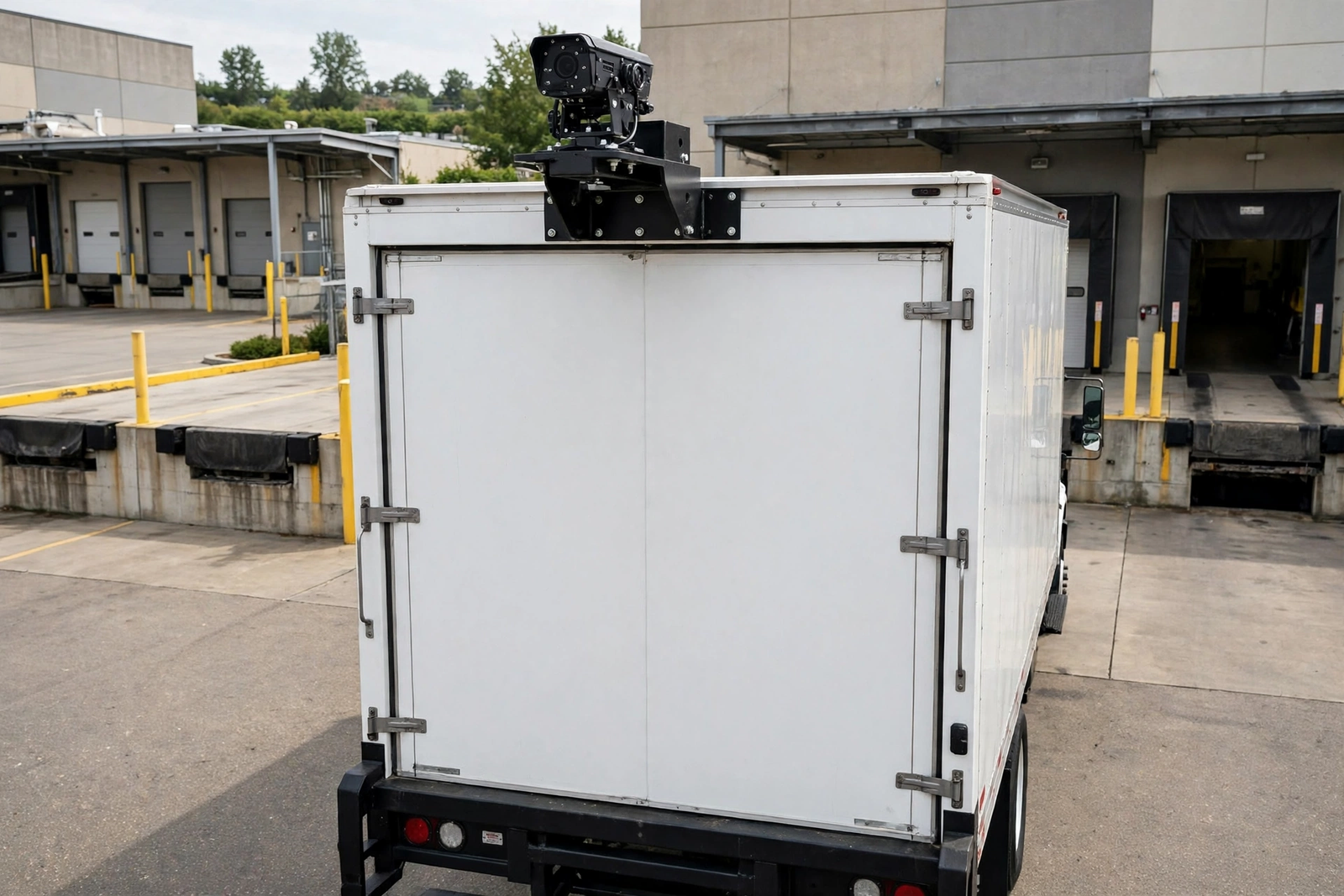
Installing a falconeye backup camera starts with the bracket too, but a different one. The camera bolts high on the rear of the truck or trailer, where it sees over the load — aim the bracket before tightening, since a camera pointed at the sky helps nobody. Then pair the cameras to the monitor, check the picture, and bolt everything down. The monitor mounts with the Dash Mount Holder supplied in the box. Power is the part first-time buyers forget: the camera needs a 12-volt feed and the monitor needs cab power, so plan both runs before you mount anything. Wireless saved you the long video cable, not the power wiring.
Observation Mode and Recording
Observation mode is the Furrion system’s reason to exist. A furrion backup camera is not a reversing-only camera: in observation mode the monitor shows the road behind the trailer live while you drive, so you can see the lane behind you, watch a towed vehicle, and check the trailer in traffic. A backup-only camera switches on in reverse and goes dark the rest of the time; the Vision S stays on. That is the feature a trailer owner uses every mile.
The FalconEye works the same way in practice: its cameras travel with the truck and the monitor shows the rear view while reversing and in traffic, not only in reverse gear. Recording is the split, and it belongs to the newer Furrion line. The Vision S kits in this comparison are live-view only, as listed — they show the picture and record nothing. The Furrion Vision S+ changes that: its 1080p sharkfin, 140-degree view, and side cameras with LED marker lights add SD card recording, card sold separately. Vision S+ parts work only with Vision S+, not with Vision S, Vision 1, or Vision 2 — pick one family and stay in it. Recording is not stated in the FalconEye listing as crawled — confirm before buying if you need it.
Furrion Vision S+ RV Observation System on Amazon: 7-inch monitor, 1080p sharkfin with 140-degree view, side cameras with LED marker lights, SD card recording — Vision S+ only, not compatible with Vision S.
Night Vision and Weatherproofing
Both systems list infrared night vision, and both are built to live outside in rain and road spray. The furrion backup camera carries IP65 waterproofing — dust-tight and protected against water jets — and infrared night vision for backing into a dark campground site. The sources checked give no night-vision distance figure for the Vision S, so none is stated here. The Vision S+ adds 1080p resolution to the night picture.
The FalconEye’s night vision is the better-documented of the two: 20 infrared lights, and the manual rates it at 35-40 feet. That covers the area directly behind the truck in the dark, and the picture is black-and-white infrared rather than colour. Its cameras are IP68 heavy-duty bracket units — dust-tight and protected against continuous immersion — a harder rating than the Furrion’s IP65 on paper, for a camera that lives on a work truck in all weather. Brighter reverse lights help any camera at night, whatever the rating.
Split-Screen and Extra Cameras
Both monitors grow past their kit’s camera count, and both show more than one camera at a time. The furrion backup camera monitor can display up to four cameras, so the single-camera Vision S kit can grow with side cameras later, and the 5-inch 3-camera kit already uses three of the four slots. The FalconEye monitor also connects up to four cameras, per the manual, so the 2-camera kit leaves two slots free for a third or fourth camera, such as a side camera on a long trailer. The FalconEye shows cameras individually or in split-screen mode, per the manual — so a driver who needs two feeds on screen at once gets them without a second monitor.
The 1-camera FalconEye kit is the same 2nd-generation system with one camera instead of two: the same monitor, the same range claim, the same IP68 bracket camera. Buy the 1-camera kit for one rear view only; buy the two-camera kit now if you want a second camera — the listing gives no separate add-on camera price. On the Furrion side the same rule applies in reverse: the single-camera kit is the proven default, and the 3-camera kits are the way to add side views, because Vision S side cameras are sold as part of a kit, not as a casual add-on.
FalconEye 2nd Generation Wireless Backup Camera, 1-Camera System on Amazon: 7-inch LCD monitor, one IP68 heavy-duty bracket camera, 720p HD, 20 IR lights, 200-300-foot wireless range.
Who Should Buy Which System
Buy the furrion backup camera if: you tow a travel trailer or a fifth wheel; your trailer is already Furrion-prepped; you want a live view while driving; or you want a system that never needs charging. Buy the falconeye backup camera if: you drive a box truck, a fleet truck, or a long trailer and need a rear view plus a second angle without running a video cable. Buy neither if: you drive a car or SUV, your vehicle already has a working rear camera, or the run is short enough for a wired camera.
The Verdict
The furrion backup camera wins this comparison for the trailer owner. The Vision S is a permanent system for a permanent problem: a live view behind a long trailer, a 492-foot open-space range claim, a monitor that takes up to four cameras, and power that never needs charging. The 5-inch 3-camera kit adds the sides, and the Vision S+ adds recording — but stay inside one family, because the two lines do not mix.
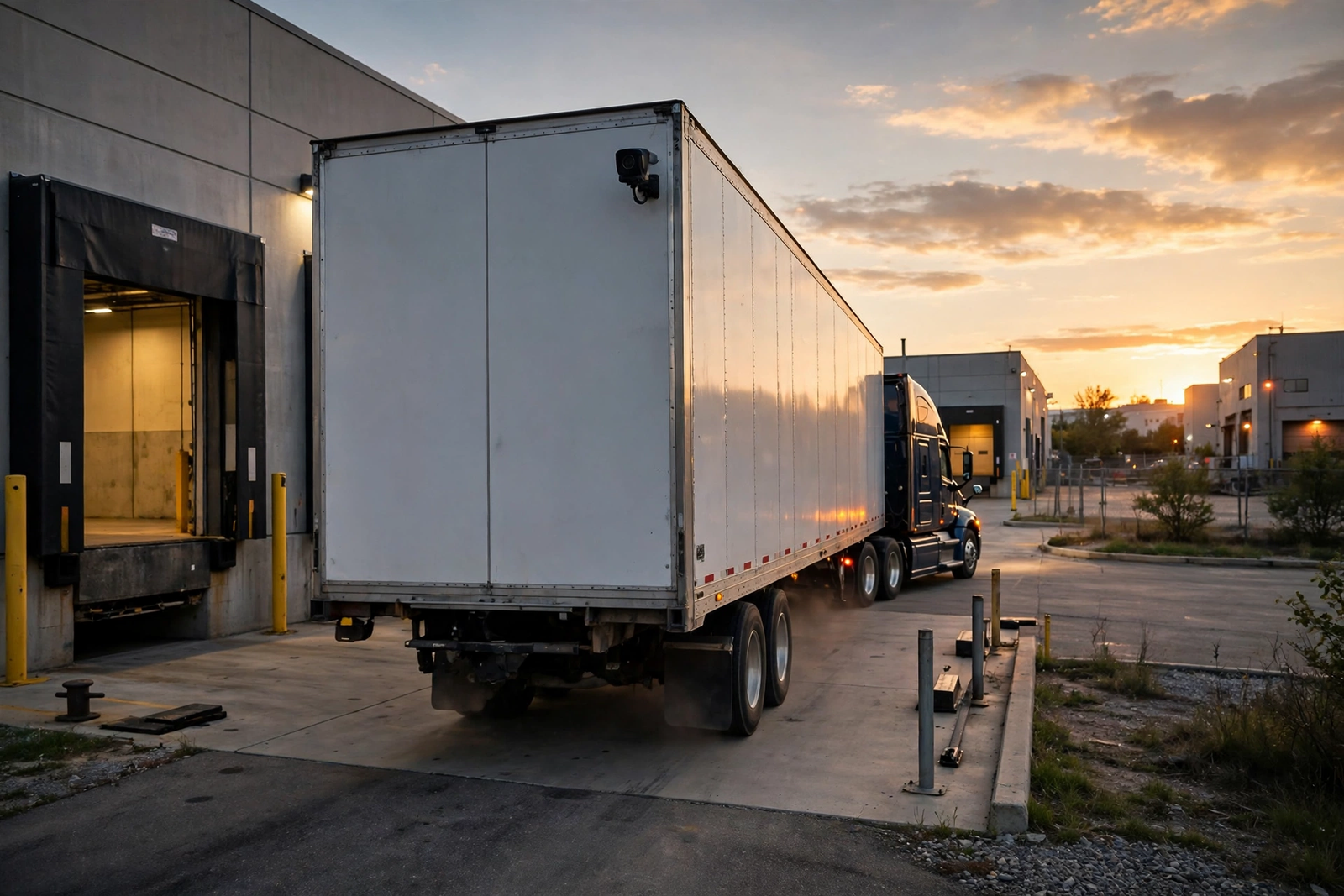
The falconeye backup camera wins for a different buyer: the truck and fleet driver. The 2-camera kit is the one to buy: two IP68 bracket cameras, a 7-inch monitor with a sun shield, up to four cameras on one monitor, split-screen per the manual, and the 200-300-foot range claim. The limits are honest: wireless means the video link, not the power, and the range is the listing’s claim — judge it against your rig’s length. For the trailer owner with a prepped bracket, buy the Furrion. For the truck driver, buy the FalconEye — and measure the run from the rear camera to the cab before you order.
Furrion Vision S Wireless RV Backup Camera System on Amazon: 7-inch monitor, rear sharkfin camera, 720 x 480, IP65 — confirm a live offer is showing on the listing before you order.
Frequently Asked Questions
Which is better, Furrion or FalconEye backup cameras?
It depends on the vehicle. The furrion backup camera is better for a travel trailer or fifth wheel, especially one already Furrion-prepped: a permanent bracket, a live observation view while driving, and a 492-foot open-space range claim. The falconeye backup camera is better for a box truck, a fleet truck, or a long trailer: two bracket cameras, a 7-inch monitor with a sun shield, and a 200-300-foot range claim. For a car or SUV, neither is the right buy — both systems are oversized for a sedan.
How far does the Furrion Vision S reach compared with the FalconEye?
The furrion backup camera is rated at up to 492 feet in open spaces by its manual, and up to 100 feet at highway speeds. The falconeye electronics 2nd generation wireless range backup camera is rated at 200-300 feet, per its listing and manual, which calls it the effective range. Both figures are the listing’s and manual’s claims, not tested results: steel trailer walls, a loaded cargo box, and other radio signals can shorten the working range. Measure the run from the rear camera to the cab and plan on the lower end.
Can the FalconEye monitor show two cameras at once?
Yes. The falconeye backup camera monitor shows cameras individually or in split-screen mode, per the manual, and it can connect up to four cameras. The 2-camera kit uses two slots, so a fleet owner can add cameras later without a second monitor. The Furrion Vision S monitor can also display up to four cameras, so side cameras can be added to the single-camera kit later.
Does the Furrion Vision S record video?
No. The Furrion Vision S kits in this comparison are live-view only, as listed — they show the picture and record nothing. Recording in the Furrion line needs the Vision S+ kit, which records to an SD card sold separately, with 1080p cameras and a 140-degree sharkfin view. Vision S+ parts work only with Vision S+, not with Vision S, so pick one family and stay in it.
Will a FalconEye camera fit an RV trailer?
It can, but it is not the natural fit. The falconeye backup camera is a bracket system for trucks and fleets: the camera bolts high on the rear of the truck or trailer, and the monitor mounts with the Dash Mount Holder supplied in the box. On a travel trailer that is already Furrion-prepped, the Furrion sharkfin camera is the simpler install. On a trailer with no prep and no bracket, the FalconEye bracket is a workable option if you are willing to drill and wire it.
Do I need a Furrion-prepped trailer for the Furrion camera?
No, but the install is longer without it. A furrion backup camera bolts onto a factory sharkfin bracket and a power connection on a prepped trailer. Without the prep, you mount a bracket yourself, seal the holes, and find a 12-volt power feed, usually from the running-light circuit. Check your trailer’s rear wall for the bracket plate first — that check, not the maker list, is the buying test.