The best car interior cleaner for leather seats is a pH-balanced solution that lifts dirt without stripping natural oils. You need products labeled specifically for automotive leather, as household cleaners often contain harsh chemicals that dry out the material.
Top Leather Cleaners at a Glance
Choosing the right product depends on whether your seats need deep cleaning or just regular maintenance.
| Cleaner Type | Best For | Real Example |
|---|---|---|
| Water-Based Spray | Daily dust and light soil | Chemical Guys Leather Cleaner |
| Conditioning Cream | Dry, cracked, or old leather | Lexol Leather Conditioner |
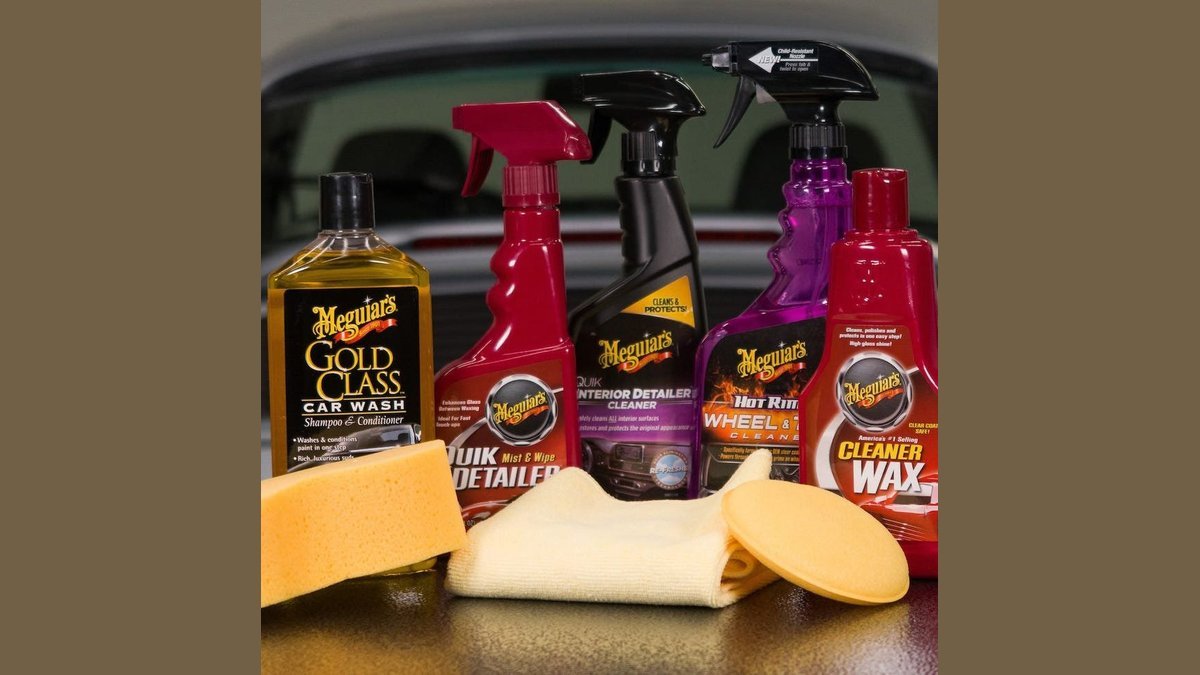
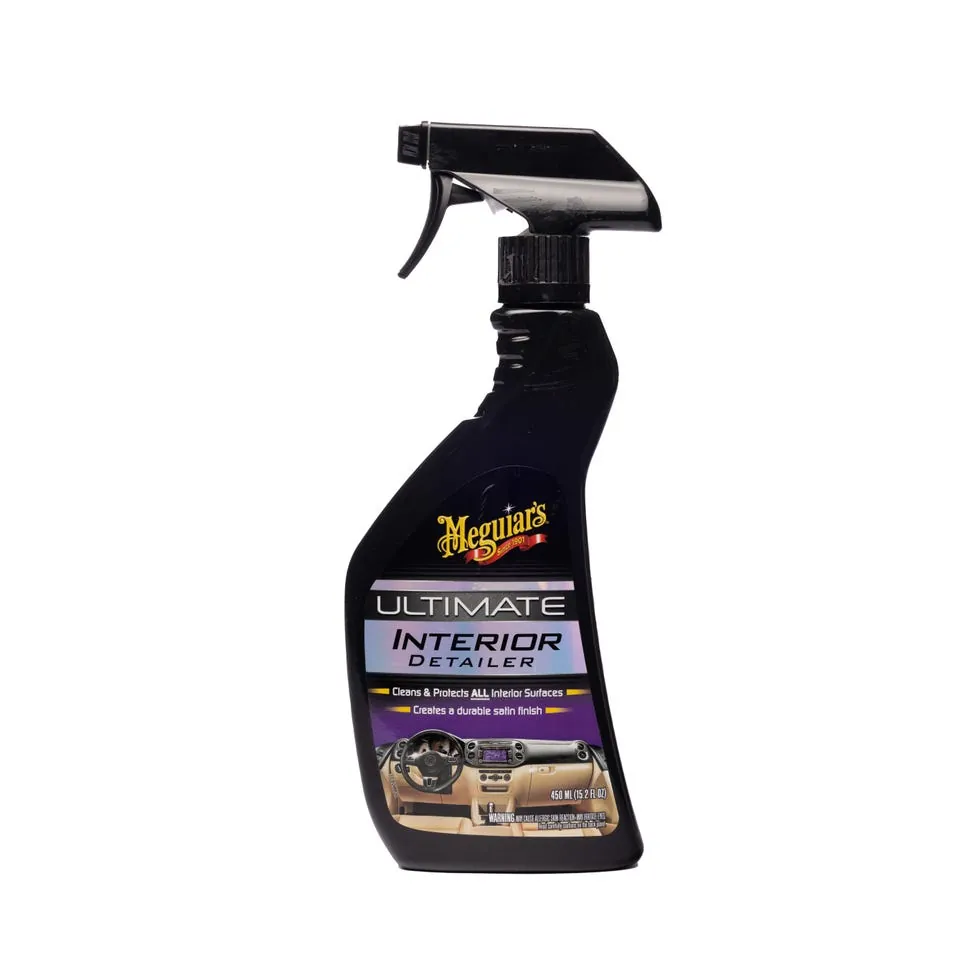
| All-In-One Formula | Quick cleaning and protection | Meguiar’s Gold Class |
| pH-Neutral Foam | Sensitive or perforated leather | Sonax Leather Care Foam |
| Natural Oil Blend | Restoring matte finish | Chamberlain Leather Milk |
Water-Based Spray Cleaners
Water-based sprays are the standard choice for most modern car interiors. They use mild surfactants to lift surface dirt and body oils without soaking into the leather pores.
- Removes fresh spills and light dust effectively
- Dries fast so you can drive soon after
- Doesn’t leave a shiny or slippery film
- Safe for use on colored leather surfaces
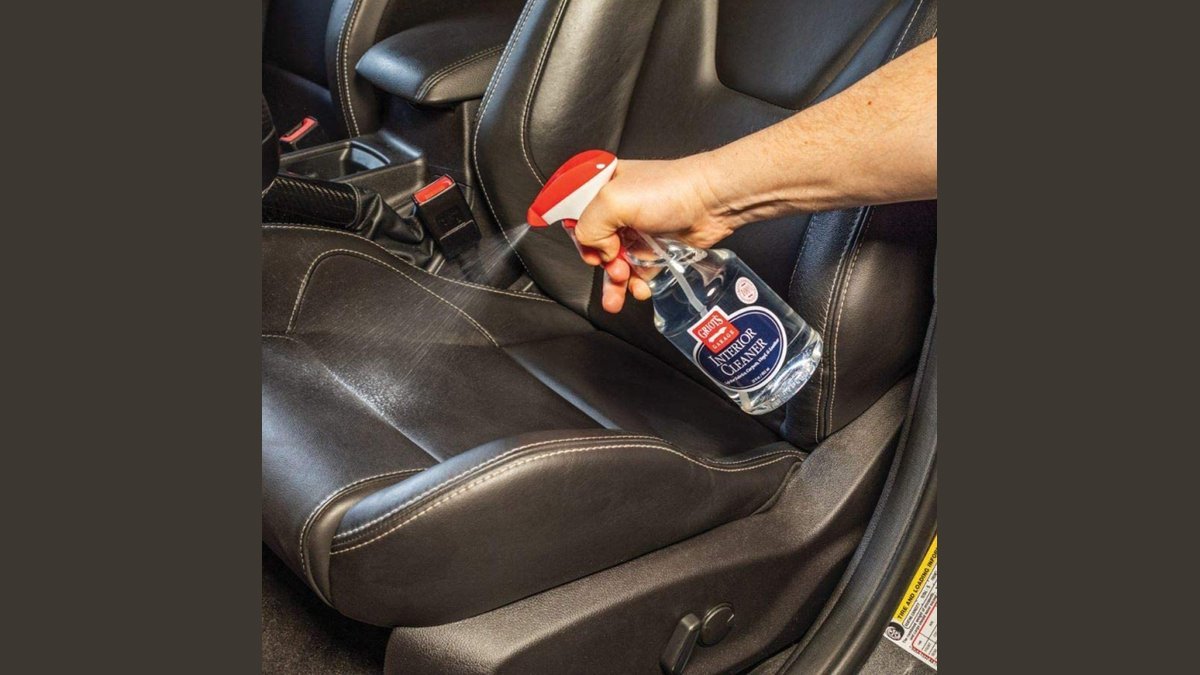
Use this spray on a microfiber cloth, not directly on the seat, to avoid overspray on electronics.
Conditioning Creams for Dry Leather
Conditioning creams add moisture back into the material rather than just cleaning it. This option suits owners of older vehicles or cars parked in hot climates. You need a cream with lanolin or natural oils to restore flexibility.
- Penetrates deep to soften stiff material
- Softens stiff material to reduce the appearance of minor surface cracks
- Provides a protective barrier against UV rays
- Restores the original matte look of aged seats
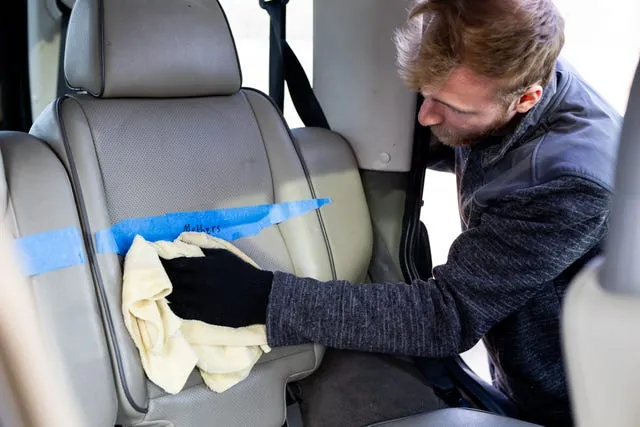
Apply a pea-sized amount to a soft cloth and rub it into one seat section at a time. Let it sit for ten minutes before buffing off any excess with a dry towel.
All-In-One Cleaning Formulas
All-in-one formulas combine cleaners and conditioners in one bottle. While convenient, these products often contain less conditioner than a dedicated cream, so they may not fix severe dryness.
- Cleans and protects in a single step
- Reduces the number of bottles you need
- Good for regular monthly maintenance routines
- Leaves a slight sheen on the surface
Shake the bottle well before use to mix the ingredients. Check the label to ensure it’s safe for perforated leather, as some thicker formulas can clog the tiny air holes.
pH-Neutral Foam Cleaners
pH-neutral foam cleaners suit sensitive leather that reacts badly to harsh chemicals. The foam structure allows you to control the amount of moisture applied, reducing the risk of water stains.
- Minimizes moisture exposure to sensitive areas
- Safe for perforated and semi-aniline leather
- Lifts dirt without harsh chemical reactions
- Ideal for light-colored seats that stain easily
Dispense a small amount of foam onto a brush or cloth.
Other Leather Care Options
- Natural Oil Blends use ingredients like beeswax and neatsfoot oil to nourish leather without synthetic chemicals. Choose this if you prefer eco-friendly products and don’t mind a longer buffing time to remove excess oil.
- Leather Wipes offer pre-moistened convenience for quick spot cleaning during road trips. They’re best for removing fresh food spills or handprints but lack the power to clean entire seats thoroughly.
- Specialized Stain Removers target specific issues like ink, dye transfer from jeans, or tree sap. Use these only on the affected area after testing in an hidden spot, as they can strip color if left on too long.
How to Choose the Best Car Leather Seat Cleaner
Your choice depends on the state of your seats and your available time.
Don’t combine a heavy wax-based conditioner with a water-based cleaner. The wax blocks the cleaner, causing streaks. Pick one method per session. Check your owner’s manual or seat tag if unsure about your leather type.
Related guides
Frequently asked questions
Can I use household leather cleaner on car seats?
No, household cleaners often contain solvents that strip the protective coating on automotive leather. Car leather has a different finish than furniture leather, so using the wrong product can cause cracking or discoloration over time. Always use a product labeled for automotive use.
How often should I clean my leather seats?
Clean your seats every three months for normal use, or monthly if you transport children or pets. Frequent cleaning prevents body oils and dirt from breaking down the leather fibers. Increase frequency if you live in a hot climate where UV exposure is high.
Is it safe to use vinegar on leather seats?
No, vinegar is acidic and can dry out leather, leading to premature cracking. While it kills bacteria, the risk to the material outweighs the benefit. Use a pH-balanced automotive cleaner instead, which cleans safely without altering the leather’s chemical balance.
What happens if I get leather cleaner on the stitching?
Most automotive cleaners are safe for nylon or polyester stitching, but excessive scrubbing can fray the threads. Wipe the area gently with a damp cloth to remove residue.
Does leather conditioner protect against sun damage?
Yes, conditioners with UV inhibitors help block harmful rays that fade and crack leather. However, they aren’t a substitute for parking in the shade or using a windshield sunshade. Combine conditioning with physical protection for the best long-term results.
Can I use baby wipes on leather seats?
Baby wipes are generally safe for quick spot cleaning but don’t replace proper cleaning. They lack the surfactants needed to lift deep dirt and may leave a moisturizing residue that attracts more dust. Use them only for emergencies, like spilled milk, until you can clean properly.
First Steps for Leather Care
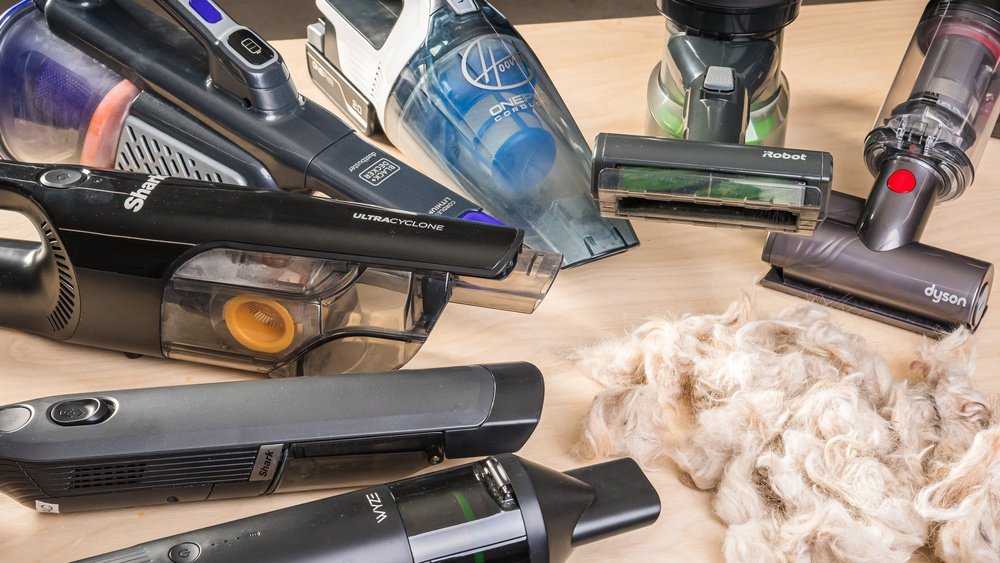
Start by vacuuming the seats to remove loose grit that could scratch the surface during cleaning. Test your chosen cleaner on a small, hidden area like the side of the seat bottom to check for colorfastness. If the color stays true and the leather feels soft after drying, proceed with the full seat. Stop immediately if you see discoloration or feel stiffness, and consult a professional detailer.