As an Amazon Associate I earn from qualifying purchases.
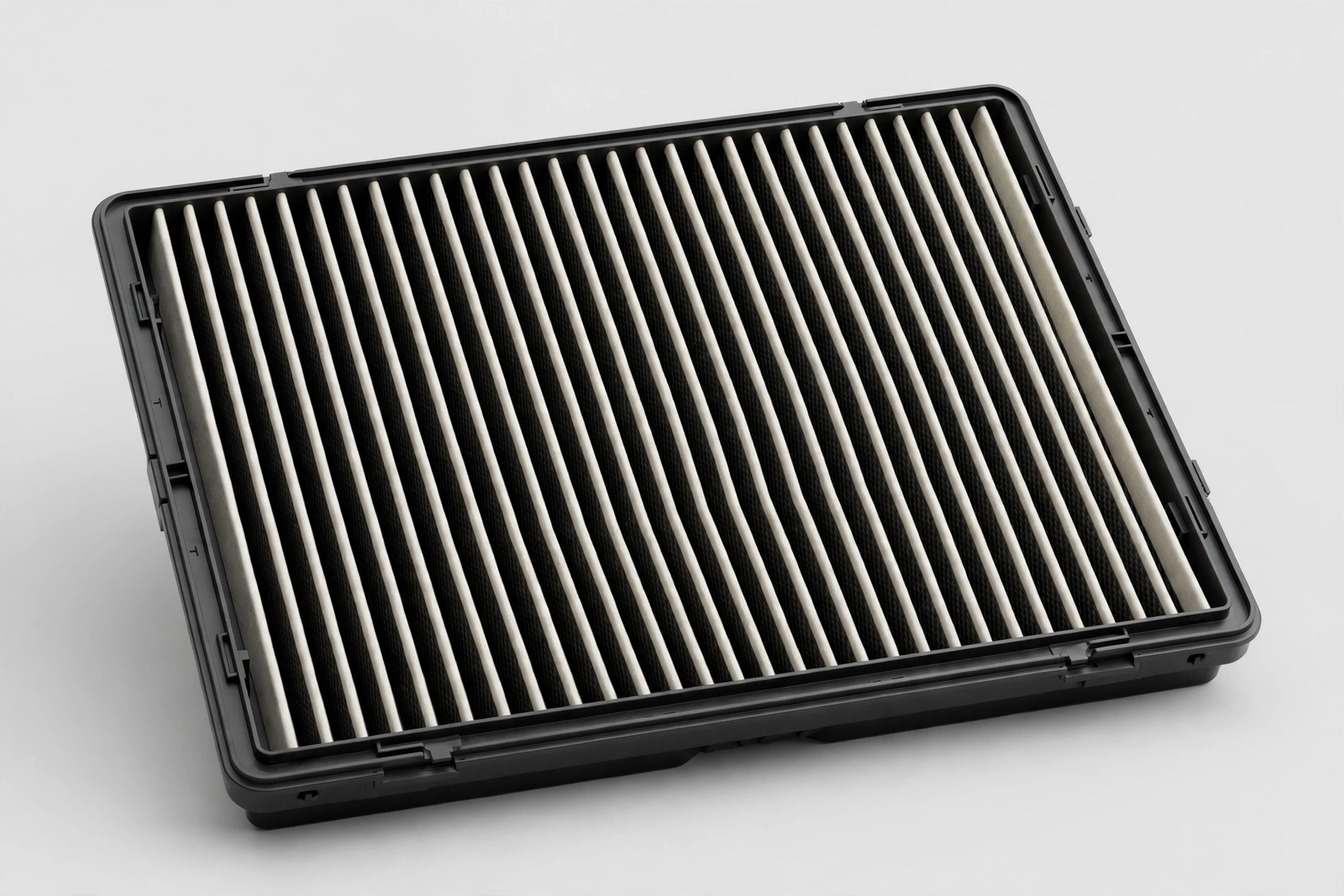
A musty smell from the vents, weak airflow from the AC, or dust settling on the dashboard faster than usual all point to the same neglected part: the cabin air filter. This spearhead cabin filter review looks at the BE-157, the activated-carbon version of Spearhead’s Breathe Easy line, and lays out exactly what its 4-layer filtration does, which vehicles it fits, and when a basic particulate filter is the smarter buy.
The short answer: the Spearhead Odor Defense cabin filter is a well-specified activated-carbon upgrade over a basic dust filter. The listing describes real coconut-shell activated carbon woven into a 4-layer stack, a 15,000-mile service rating (25% longer than the standard 12,000), and electrostatic media the brand says is twice as heavy as standard filters. It fits select 2016–2024 Toyota, Lexus, and Subaru models. If your main complaint is odors, exhaust fumes, or allergy irritation, the carbon layer earns its keep; if you just need dust protection on a budget, a plain particulate filter costs less.
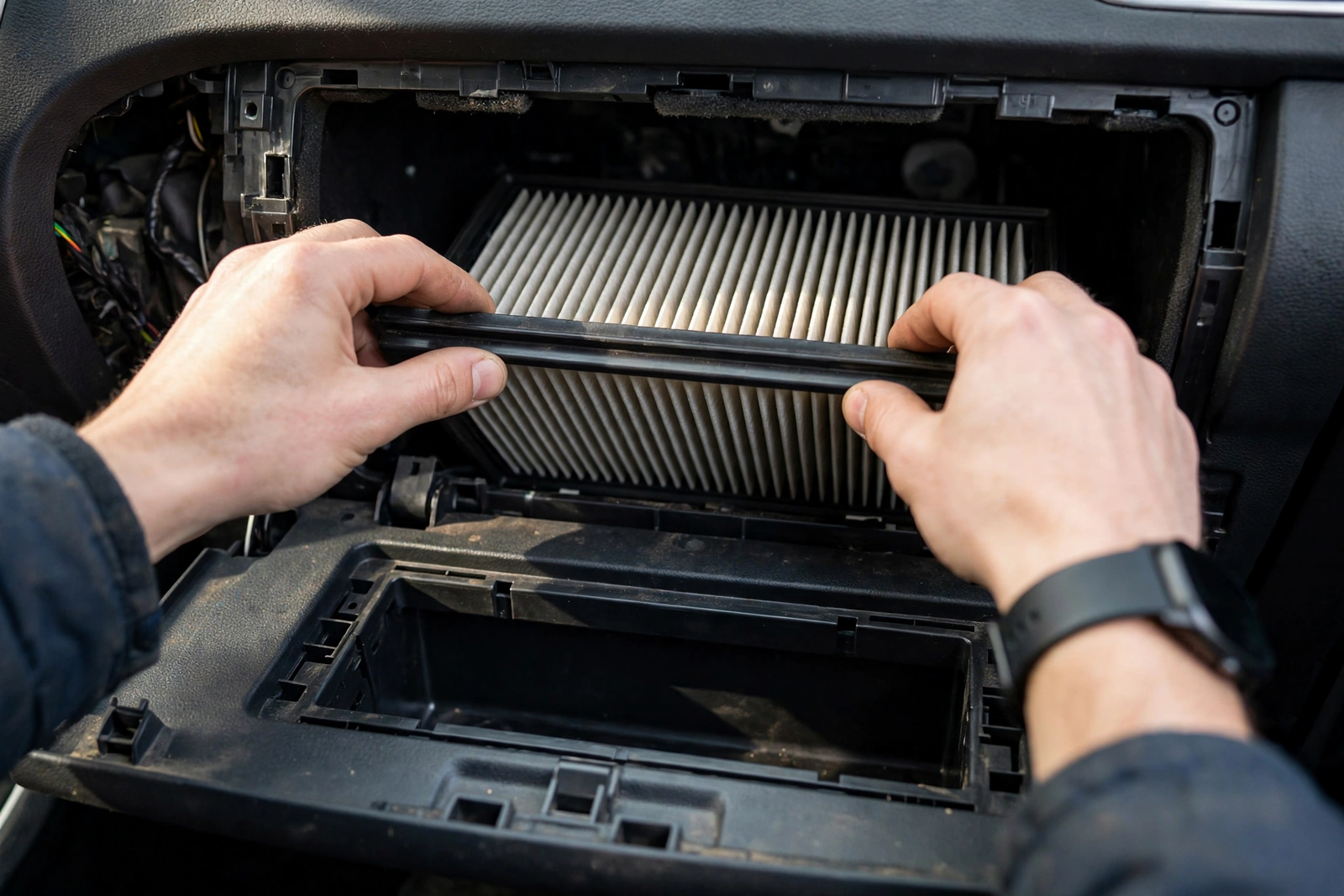
Table of Contents
Quick Pick: Spearhead Odor Defense Cabin Filter
| Pick | Product | Key Spec / Best For | Check Price |
|---|---|---|---|
| Overall Pick | Spearhead Odor Defense Cabin Air Filter (BE-157) | Activated carbon 4-layer, 15,000-mile rating, fits 2016–2024 Toyota/Lexus/Subaru | Check Price on Amazon |
| Best For | Odor and fume complaints | Coconut-shell carbon weave targets gases and smells a dust filter cannot touch | Check Price on Amazon |
| Best For | DIY replacers | Drop-in OEM-style fit with an installation manual in the box, no tools needed | Check Price on Amazon |
What the 4-Layer Filtration Actually Does
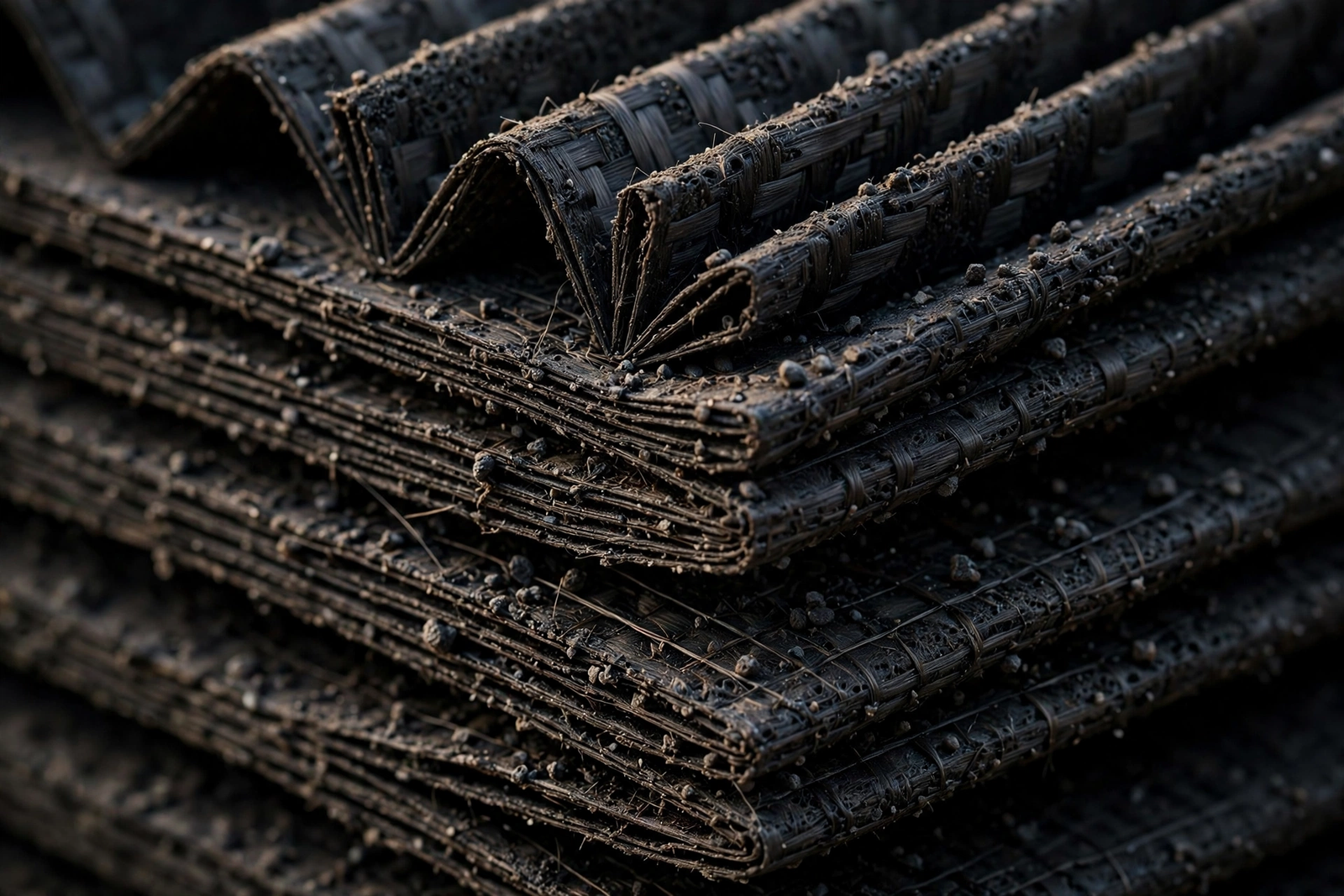
Cabin filters come in two broad types: particulate (dust and pollen) and activated carbon (dust plus gases and odors). The Spearhead Odor Defense is the second kind. The listing describes four layers working in sequence: a dust filter for road debris, an anti-inflammatory filter layer, an adsorption layer, and a coconut-shell activated-carbon weave that the brand says blocks gases and odors from entering the cabin.
The carbon layer is the whole point of this filter. A standard particulate filter traps solids; it does nothing for exhaust fumes in traffic, the smell of a nearby diesel, or that stale gym-bag odor baked into the vents. Activated carbon adsorbs gas molecules onto its surface, which is why carbon filters are the standard recommendation for drivers sensitive to smells and fumes. The listing also notes electrostatic media designed to attract fine particles, and describes the media as twice as heavy as a standard cabin filter.
One honest note: this review is based on the manufacturer’s published specifications and documentation, not hands-on testing. Every spec below is sourced, and where Spearhead does not publish a figure, we say so.
Spearhead Odor Defense BE-157: Key Specs
| Spec | BE-157 (per Spearhead/listing) |
|---|---|
| Filter type | Activated carbon cabin filter |
| Filtration | 4-layer: dust, anti-inflammatory, adsorption, coconut-shell carbon weave |
| Media | Electrostatic, described as 2X heavier than standard |
| Service rating | Up to 15,000 miles (25% longer than standard 12,000) |
| Dimensions | 8.5 x 7.3 x 1 inches |
| Weight | 7.1 ounces |
| Fitment | Select 2016–2024 Toyota, Lexus, Subaru (verify with your year/make/model) |
| Installation | Drop-in, installation manual included |
Sources: Amazon listing (ASIN B07WGCG4CM); Spearhead product documentation via manuals.plus; buhostore.com product page (Amazon-sourced).
Fitment: Check Before You Buy
The BE-157 is not universal. The listing covers select 2016–2024 Toyota, Lexus, and Subaru vehicles, and instructs buyers to verify fitment with their exact year, make, and model (Amazon’s garage tool does this automatically). Spearhead sells the same Odor Defense line under different part numbers for other vehicles (BE-135 for older Hondas, BE-150 for F-150s, BE-285 for other Toyota/Lexus applications), so if the BE-157 does not match your car, search the Spearhead line for your part number rather than forcing this one.
Worth knowing: cabin filters are vehicle-specific by shape. A filter that is even slightly the wrong size will leave gaps that let unfiltered air bypass it, defeating the purpose. Never buy on brand alone; match the part number to your vehicle.
Installation: A Genuine DIY Job
Replacing a cabin filter is one of the easiest maintenance tasks on a modern car. On most Toyota, Lexus, and Subaru models the filter sits behind the glove box: empty the glove box, release the damper arm and side stops, slide the old filter out, note the airflow arrow direction, slide the new one in the same way, and reassemble. The listing includes an installation manual with every order, and the whole job typically takes under 15 minutes with no tools.
That ease matters for the value math. Shops commonly charge significant labor for a filter swap on top of the part; doing it yourself means the filter’s price is the whole cost. Add it to your car maintenance checklist alongside oil changes so it does not get forgotten for three years.
Activated Carbon vs Basic Particulate: Which Do You Need?
Buy the Odor Defense (carbon) if: your vents smell musty, you drive in heavy traffic or behind diesels regularly, you or a passenger has odor or fume sensitivity, or you want the longest service interval. Buy a basic particulate filter if: your only complaint is dust, you replace filters on schedule anyway, or the price gap matters more than odor control. Carbon filters cost more than plain dust filters, and the premium only pays off if you actually need gas and odor adsorption.
When to Replace It
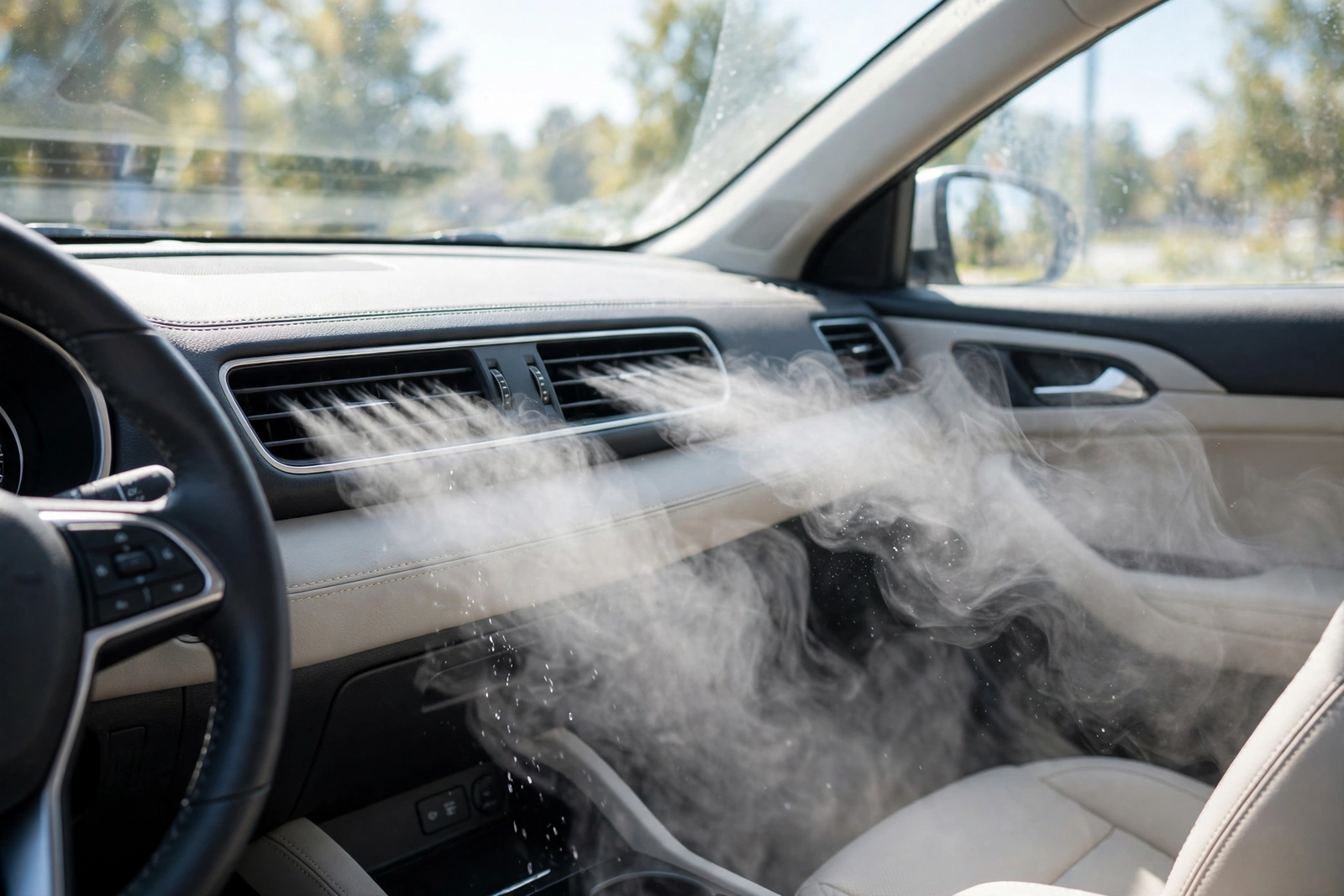
Spearhead rates the BE-157 for up to 15,000 miles, versus the 12,000-mile standard the brand cites for basic filters. In practice, replace it once a year or at 15,000 miles, whichever comes first, and sooner if you drive on dusty roads or notice the classic symptoms returning: musty vent odor, visibly reduced airflow, or dust film on the dash within days of cleaning. A filter is a consumable; running one for three years because it “still looks okay” is how vents start smelling like a locker room.
Who Should (and Shouldn’t) Buy It
- City commuters in traffic: the carbon layer’s reason to exist. Exhaust fumes are exactly what it adsorbs.
- Allergy and odor-sensitive drivers: the 4-layer stack plus electrostatic media is a meaningful step up from a dust-only filter.
- DIY maintainers: drop-in fit, manual in the box, 15 minutes, no tools. This is the easiest win on your maintenance list.
- Dust-only drivers on a budget: skip the carbon premium and buy a basic particulate filter instead.
- Anyone outside the fitment range: the BE-157 only fits select Toyota/Lexus/Subaru models. Find your part number first.
Frequently Asked Questions
How often should I replace the Spearhead Odor Defense cabin filter?
This spearhead cabin filter is rated for up to 15,000 miles or once a year, whichever comes first, which is 25% longer than the 12,000-mile standard the brand cites for basic filters. Replace sooner if you drive dusty roads or notice musty vent odors or weak airflow returning.
Will this filter fit my car?
The BE-157 fits select 2016–2024 Toyota, Lexus, and Subaru models. Verify with your exact year, make, and model before buying; Spearhead sells the same Odor Defense line under other part numbers (BE-135, BE-150, BE-285) for different vehicles.
What is the difference between an activated carbon and a regular cabin filter?
A regular particulate filter traps dust and pollen. An activated carbon filter like the Odor Defense adds a carbon layer that adsorbs gases, exhaust fumes, and odors that pass straight through a dust-only filter.
Can I install a cabin air filter myself?
Yes. On most vehicles it sits behind the glove box and swaps in under 15 minutes with no tools. The Spearhead listing includes an installation manual, and you only need to match the airflow arrow direction of the old filter.
Does a cabin air filter affect AC performance?
A clogged filter restricts airflow, which makes the AC feel weak even when the system is fine. Replacing it on schedule restores full airflow; it does not make the air colder, it just lets the system breathe.
Is the Spearhead Odor Defense worth it over a cheaper filter?
If odors, fumes, or sensitivities are your complaint, yes: the carbon layer does something a basic filter cannot. If you only need dust protection and replace on schedule, a cheaper particulate filter is the rational buy.
The Verdict
The Spearhead Odor Defense BE-157 is an honest upgrade for the right driver: real coconut-shell activated carbon in a 4-layer stack, a 15,000-mile rating, and vehicle-specific fitment for popular Toyota, Lexus, and Subaru models, all in a 15-minute DIY install. Buy it for odor and fume control; buy a basic filter if dust is your only problem. Either way, put it on your maintenance schedule and pair the job with the rest of your road trip accessories check before a long drive.