Motor oil is the one maintenance item every car needs and almost nobody enjoys buying. Mobil 1’s Advanced Fuel Economy 0W-20 is the brand’s low-viscosity full synthetic aimed at cars that spec thin oil for efficiency — with a 4.8-star rating across more than 6,500 Amazon reviews. This Mobil 1 0W-20 review breaks down what the 0W-20 grade actually means, where this oil fits, and the mistakes to avoid.
The short answer: if your owner’s manual specs 0W-20, the Mobil 1 Advanced Fuel Economy 5-quart jug is a safe, well-reviewed pick: full synthetic base stocks, the right manufacturer approvals for most applications, and a per-quart cost well under dealer oil-change prices. The critical rule is grade discipline — never run 0W-20 in an engine that calls for 5W-30 just because it is on the shelf.
As an Amazon Associate I earn from qualifying purchases.
Table of Contents
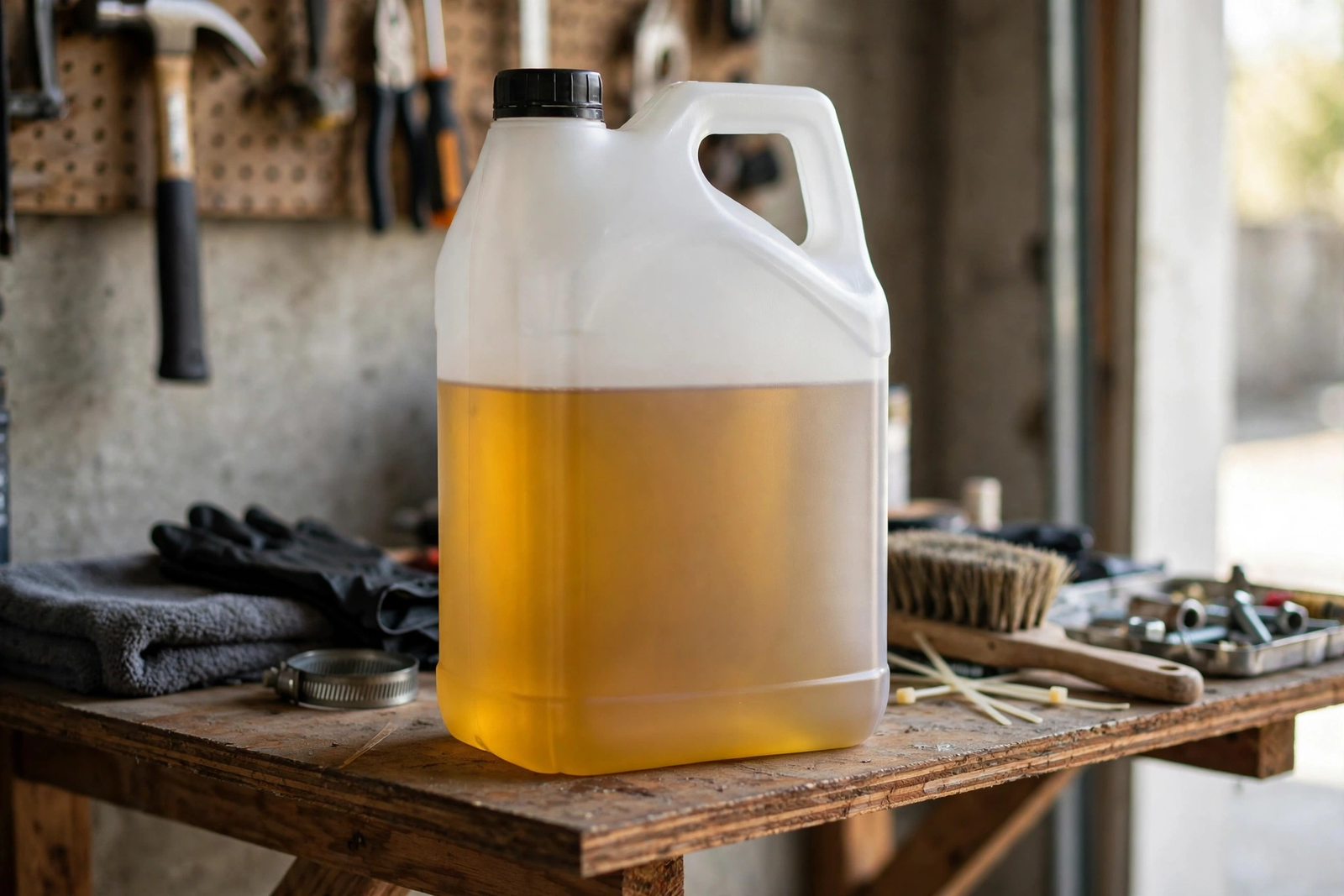
Quick Pick: Mobil 1 0W-20
| Pick | Product | Key Spec / Best For | Check Price |
|---|---|---|---|
| Best Overall | Mobil 1 Advanced Fuel Economy Full Synthetic 0W-20, 5 Quart | Full synthetic 0W-20, 4.8 stars across 6,500+ reviews; the DIY standard | |
| Best for DIY Oil Changes | Mobil 1 Advanced Fuel Economy Full Synthetic 0W-20, 5 Quart | 5-quart jug covers most 4-cylinder sumps in one purchase | |
| Best Value per Quart | Mobil 1 Advanced Fuel Economy Full Synthetic 0W-20, 5 Quart | Jug pricing beats single quarts; pair with a quality filter |
What 0W-20 Actually Means
The grade is two numbers. The “0W” is the winter rating — how the oil flows when cold. A 0W oil circulates faster at startup than a 5W, which matters because most engine wear happens in the first seconds after a cold start. The “20” is the operating-temperature viscosity — thinner than a 30, which reduces internal drag and is why manufacturers pair it with fuel-economy targets.
The trade-off is real: thinner oil is specified for engines designed for it, with tighter tolerances and oil pumps calibrated for low viscosity. Running 0W-20 in an older engine designed for 5W-30 can increase consumption and reduce protection. The grade on the oil cap and in the manual is not a suggestion — it is the engineering spec.
What stands out: the 4.8-star rating across 6,500+ reviews is exceptional for a commodity product — it signals consistent quality, correct labeling, and fresh stock from Amazon’s supply chain.
Worth knowing: this is the “Advanced Fuel Economy” line, not Mobil 1 Extended Performance. Change intervals follow your manual (often 7,500-10,000 miles for full synthetic under normal use), not the marketing. Severe service — towing, dusty conditions, constant short trips — shortens that.
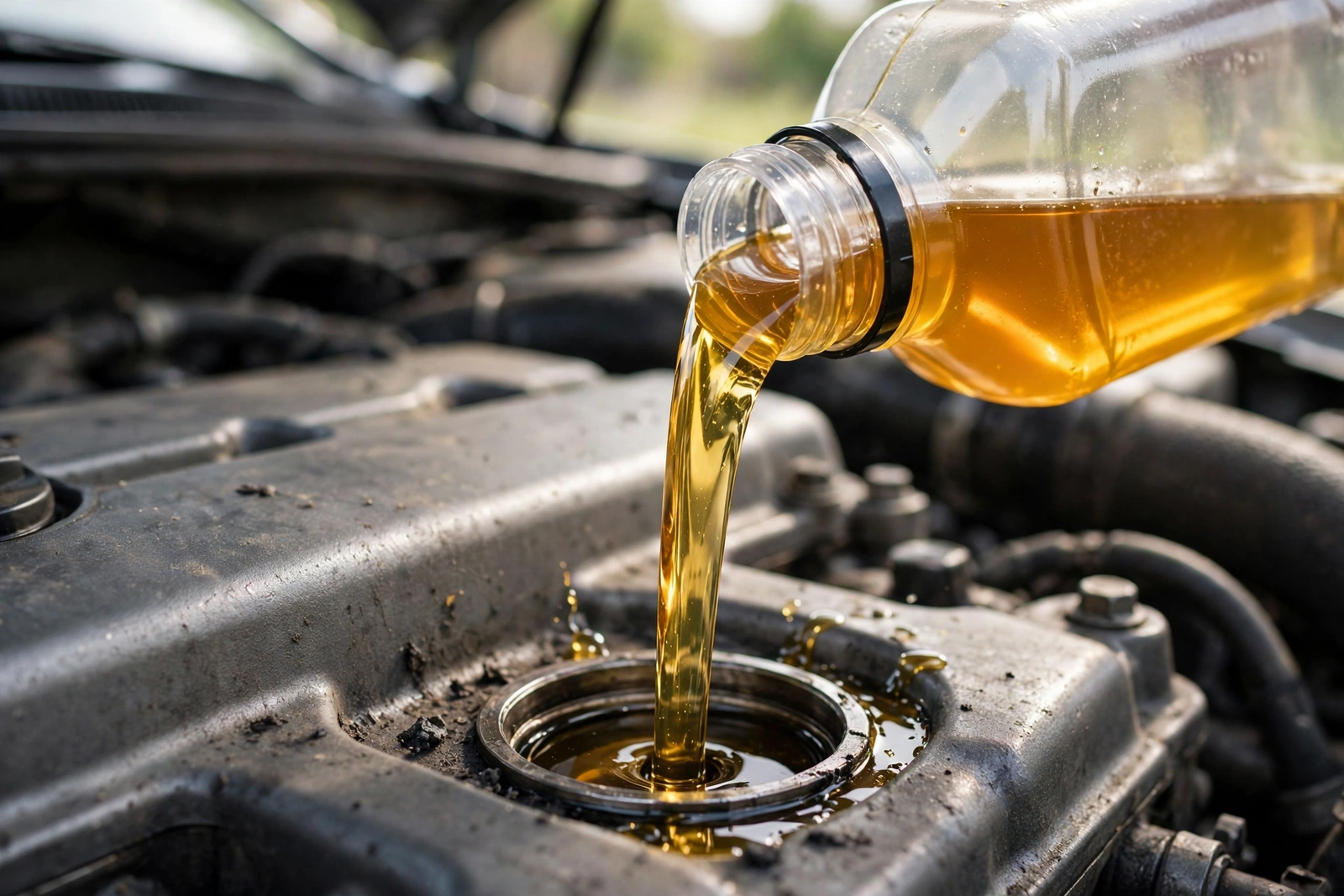
Specs, Approvals, and What to Check
Before buying any oil, check the approvals your car needs. Mobil 1 0W-20 carries the current API service category and ILSAC GF ratings that most gasoline engines specifying 0W-20 require — the details are printed on the jug’s back label. Match those letters to your manual’s requirement; if they line up, the oil is approved for your engine.
The 5-quart jug is the practical size: most 4-cylinder cars take 4.5-5 quarts with a filter change, so one jug usually does the whole job. Larger V6 sumps may need a second jug or a single quart on top — check your capacity before you start, not after you have drained the old oil.
One honest note on “fuel economy” naming: the efficiency gain comes from the 0W-20 grade itself (thinner oil, less drag), which your engine was designed around. Switching brands within the same approved grade will not move your MPG needle — the grade does the work, not the logo.
DIY Oil Change Basics
If you are doing it yourself: warm the engine briefly (warm oil drains faster), use jack stands — never work under a car held by a jack alone — and replace the drain-plug washer. Torque the drain plug to spec; over-tightening strips the pan.
The filter matters as much as the oil. A quality filter with the correct bypass rating protects the engine for the full interval; a cheap filter can go into bypass early and circulate unfiltered oil. Buy the filter for your exact model and year.
Disposal is non-negotiable: used oil goes to a parts store or municipal collection point, never down a drain or into the trash. Most auto parts stores take it free. For the wider routine beyond the oil change, our car maintenance checklist covers what else to check and when.
Who Should Buy It (and Who Should Not)
Buy it if: your manual specs 0W-20; you do your own oil changes and want a top-tier full synthetic at jug pricing; you want one jug to cover a 4-cylinder sump.
Skip it if: your engine specs 5W-30 or another grade (buy the grade your engine was designed for); you need the Extended Performance line for maximum intervals (this is the Advanced Fuel Economy line); you are looking for an oil that fixes consumption or leaks — no oil does that.
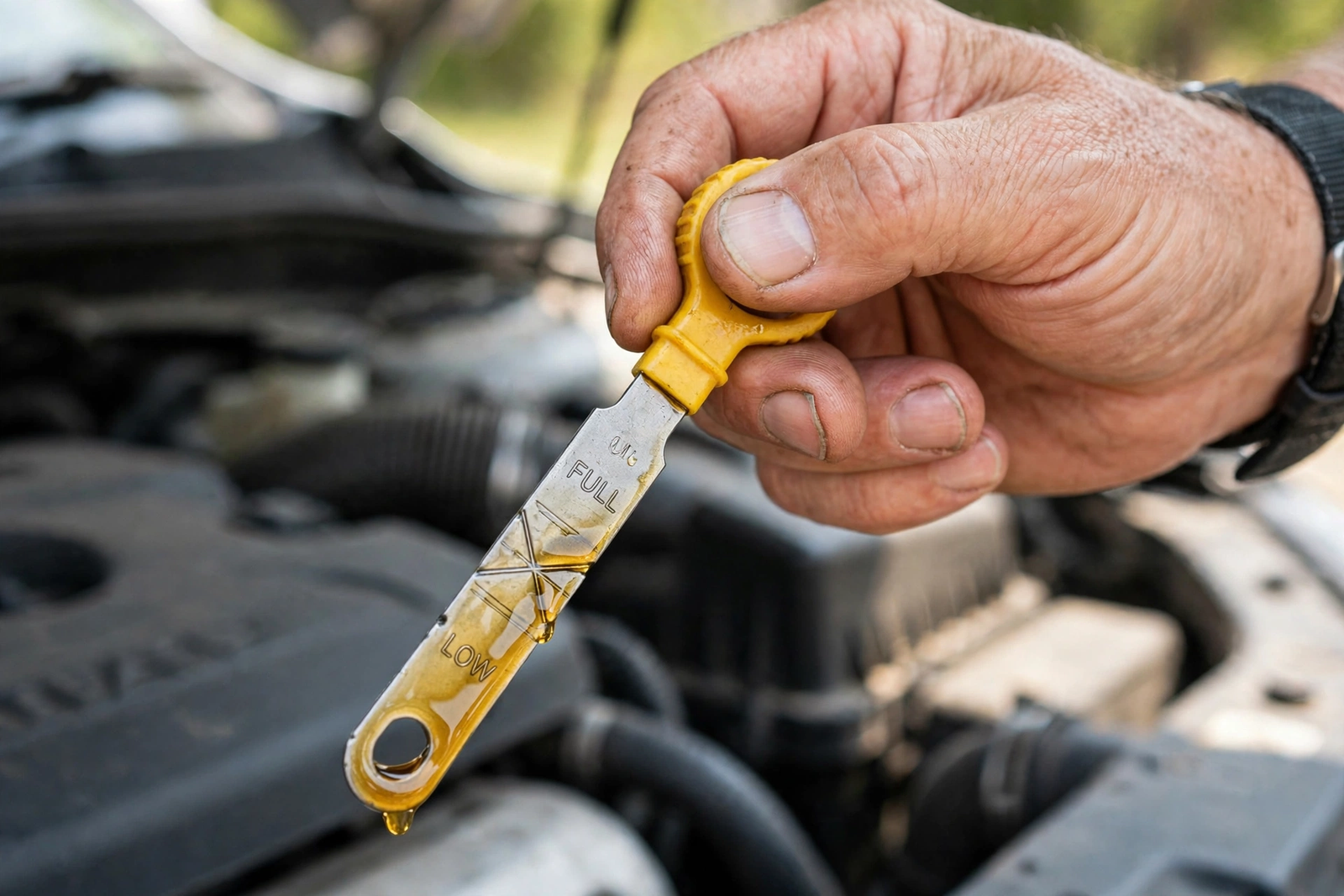
The Verdict
Mobil 1 Advanced Fuel Economy 0W-20 is the safe default for cars that spec the grade: full synthetic, correct approvals, 4.8 stars across 6,500+ reviews, and jug pricing that undercuts the dealer’s oil-change bay. The only real decision is grade discipline — match the manual, buy the jug, change the filter, and recycle the old oil. For 0W-20 engines, this is an easy recommendation.
Mobil 1 Advanced Fuel Economy Full Synthetic 0W-20, 5 Quart on Amazon: full synthetic 0W-20, 4.8 stars across 6,500+ reviews.
Frequently Asked Questions
Is Mobil 1 0W-20 good oil?
Yes — and this mobil 1 0w-20 review comes down to approvals and grade discipline. It is a full synthetic from a major refiner with the API/ILSAC ratings most 0W-20-spec engines require, and the 4.8-star rating across 6,500+ reviews signals consistent quality. The oil is only ‘good’ for your car if your manual specs 0W-20, though — grade first, brand second.
Can I use 0W-20 instead of 5W-30?
Only if your manual allows it. Some manuals list 0W-20 as an approved alternative; many do not. Running thinner oil than specified can increase consumption and reduce protection in engines built for 5W-30. When in doubt, follow the oil cap.
How often should I change Mobil 1 0W-20?
Follow your owner’s manual, not the jug. Many manufacturers specify 7,500-10,000 miles for full synthetic under normal driving. Towing, dusty roads, extreme heat, or constant short trips count as severe service and shorten the interval — the manual’s severe schedule applies.
How many quarts does my car need?
Most 4-cylinder cars take 4.5-5 quarts with a filter change, so the 5-quart jug usually covers it. V6 and larger engines often need 6+ quarts. Check your manual’s capacity before draining — running short mid-change is an avoidable headache.
Is the 5-quart jug cheaper than buying single quarts?
Almost always. Jug pricing per quart typically undercuts single quarts by a wide margin, which is why DIY changers buy the jug. Just confirm your sump capacity so you are not left a quart short.
Does full synthetic really last longer than conventional oil?
Yes, in stability and interval length: full synthetics resist thermal breakdown and sludge far better than conventional oil, which is why manuals allow longer intervals with them. They do not make an engine immortal — the filter, the grade, and the interval still decide engine life.