As an Amazon Associate I earn from qualifying purchases.
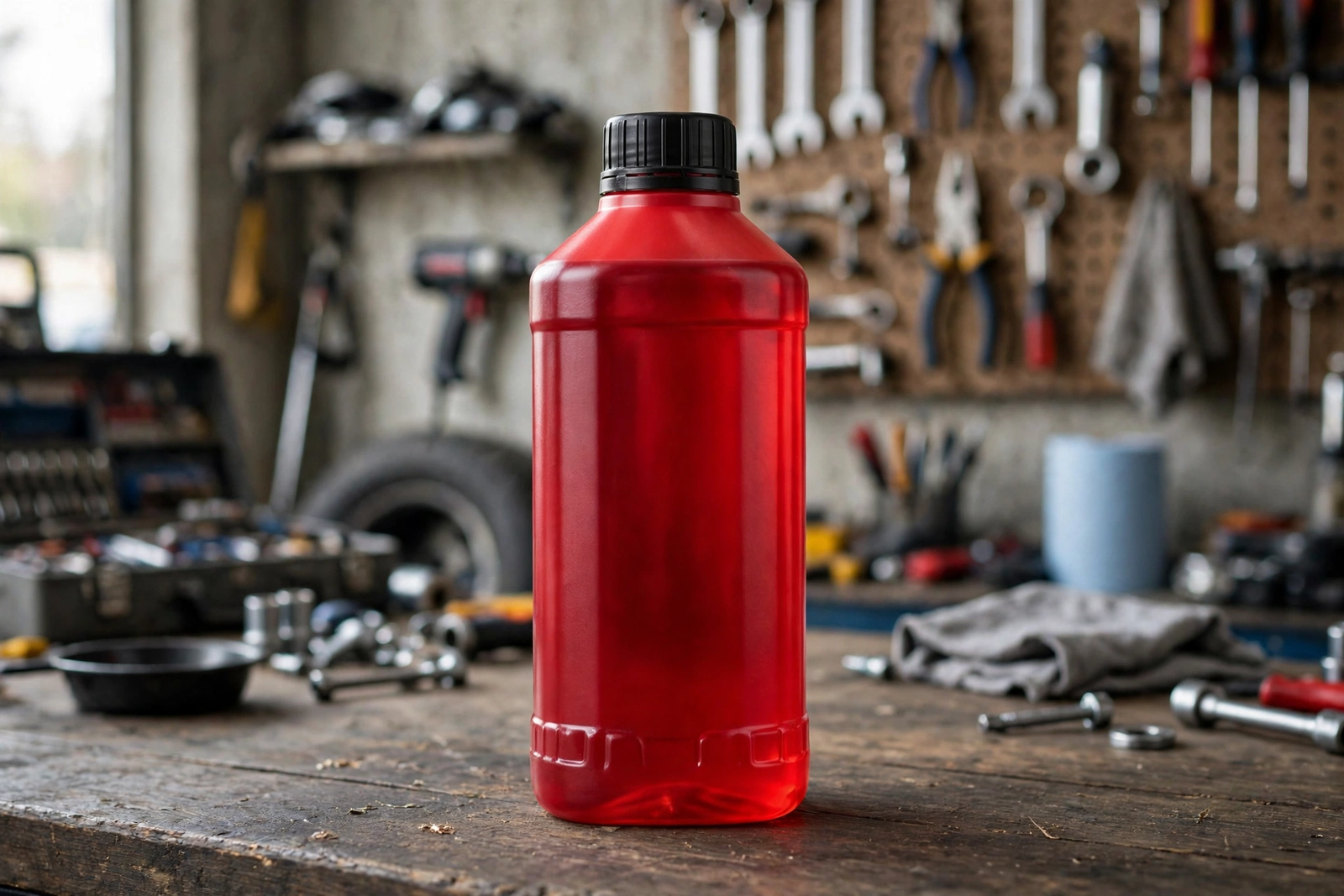
Transmission fluid is the most neglected fluid in most cars. Engine oil gets changed on schedule; ATF gets ignored until the transmission complains. Valvoline MaxLife Multi-Vehicle ATF is a full-synthetic automatic transmission fluid designed to cover many vehicle specs in one bottle, with seal conditioners aimed at higher-mileage transmissions. It carries a 4.8-star rating across more than 12,300 reviews.
The short answer: MaxLife ATF is a well-regarded multi-vehicle fluid for drain-and-fill services on compatible transmissions. The 4.8-star rating reflects strong DIY satisfaction. But transmission fluid specs are strict: check your owner’s manual for the required spec before buying any multi-vehicle fluid, this one included.
Table of Contents
Table of Contents
Quick Pick: Valvoline MaxLife ATF
| Pick | Product | Best For | Check Price |
|---|---|---|---|
| Overall Winner | Valvoline MaxLife Multi-Vehicle ATF | Multi-vehicle full synthetic ATF, 4.8 stars across 12,300+ reviews | |
| Best Budget | Valvoline MaxLife Multi-Vehicle ATF | Same product: one-bottle multi-vehicle coverage keeps costs down | |
| High-Mileage Pick | Valvoline MaxLife Multi-Vehicle ATF | Seal conditioners for transmissions over 75,000 miles |
What MaxLife ATF Is
MaxLife ATF is a full-synthetic automatic transmission fluid. “Multi-vehicle” means Valvoline formulates it to meet the requirements of many common ATF specs (Dexron, Mercon, and others listed on the bottle) so one product covers many cars. The MaxLife line adds seal conditioners intended to help aging seals in higher-mileage transmissions stay pliable.
What stands out: the 4.8-star rating across 12,386 reviews. Transmission fluid buyers are a knowledgeable crowd, and a 4.8 average from that audience is a strong endorsement of real-world performance.
Worth knowing: “multi-vehicle” does not mean “every vehicle.” Some transmissions, notably certain CVTs and specific European specs, require their own fluid. The bottle lists compatible specs; your owner’s manual lists the required one. Match them before buying.

Drain-and-Fill vs Flush: What DIYers Should Know
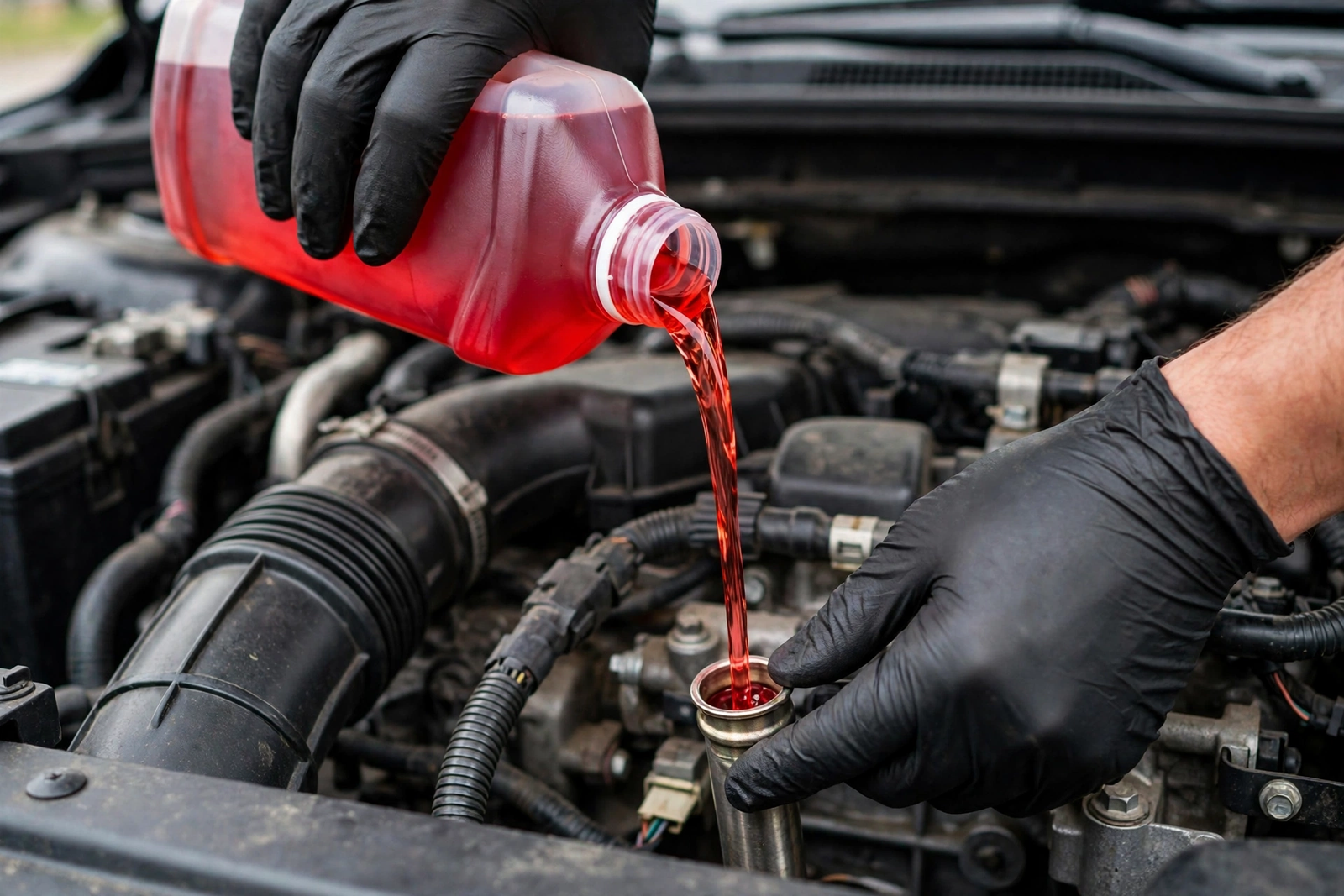
Most DIY transmission service is a drain-and-fill: drain the pan (which removes roughly a third to half of the fluid), refill with fresh ATF, and repeat at intervals. It is gentler than a machine flush and well within DIY capability on many vehicles. MaxLife ATF suits this approach because you buy it by the bottle as needed.
Check your transmission’s service procedure first. Some modern transmissions have no dipstick and a specific fill procedure with temperature requirements. If yours does, the job is still DIY-able but demands research, not improvisation.
The Compatibility Rule
This is the section that matters most. Transmission fluid is not like engine oil, where one weight covers many cars. Using the wrong ATF spec can cause shifting problems. Before buying MaxLife or any ATF: open the owner’s manual, find the specified fluid (for example Dexron VI, Mercon V, ATF+4), and confirm it appears on the bottle’s compatibility list. When in doubt, buy the OEM fluid. Saving a few dollars is never worth a transmission.
Who Should Buy It (and Who Should Not)
Buy it if your manual’s spec appears on the bottle’s compatibility list, you are doing scheduled drain-and-fill maintenance, and your transmission has higher miles that could benefit from seal conditioners. Do not buy it if your transmission requires a spec not listed on the bottle, if you drive a CVT that needs its own fluid, or if your manual specifies an OEM-only fluid.
The Verdict
Valvoline MaxLife Multi-Vehicle ATF is a strong choice for compatible transmissions: full synthetic, seal conditioners for higher miles, and a 4.8-star rating from a knowledgeable buyer base. The only rule is compatibility: match the spec on the bottle to the spec in your manual, and never guess.
Frequently Asked Questions
Is Valvoline MaxLife ATF good?
Valvoline MaxLife ATF is well regarded, with a 4.8-star rating across more than 12,000 reviews. It is a full-synthetic multi-vehicle fluid with seal conditioners for higher-mileage transmissions. Confirm your transmission’s spec is on its compatibility list before buying.
Can I mix MaxLife ATF with my existing fluid?
For drain-and-fill service, the new fluid mixes with the old fluid remaining in the torque converter and cooler lines; that is normal and expected. Do not mix different ATF spec families intentionally.
How often should transmission fluid be changed?
Many manufacturers specify 30,000 to 60,000 miles for severe service, longer for normal service. Lifetime-fill claims deserve skepticism; fluid degrades. Check your manual’s severe-service schedule if you tow or drive in heat.
What is the difference between ATF and CVT fluid?
They are different formulations for different transmission designs. A traditional automatic uses ATF; a continuously variable transmission needs CVT-specific fluid. MaxLife Multi-Vehicle ATF is an ATF, not a CVT fluid. Never substitute one for the other.
Do seal conditioners really help high-mileage transmissions?
Seal conditioners are additives intended to keep aging seals pliable and reduce minor seepage. They are maintenance chemistry, not repair chemistry: they can slow minor weeping but will not fix a failed seal.
Drain-and-fill or full flush?
Drain-and-fill is gentler and DIY-friendly; it replaces a portion of the fluid each time. Machine flushes replace more fluid at once but are debated for very high-mileage neglected transmissions. For maintained vehicles, regular drain-and-fills are the safe routine.