Most wiper blades ask you to pick a side. A conventional framed blade grips curved glass well but ices up at its joints in winter; a beam blade sheds snow and hugs the glass evenly but can lift at the corners of a badly curved windshield. The Michelin Stealth Ultra, reviewed here in 26-inch size (model 8526), refuses that choice: it is a hybrid wiper blade that puts a spring-loaded bracket inside an aerodynamic cover. This review of Michelin wiper blades looks at how that hybrid design works, where it beats a pure beam blade, and where it does not.
In this review we cover what the Stealth Ultra is and is not, its Smart-Flex hinges, its winter behaviour, the EZ-Lok fitting, and how it compares with the Rain-X Latitude and the Bosch ICON 26A. If you want the short version first, the Quick Pick table below has it.
As an Amazon Associate I earn from qualifying purchases.
| Pick | Product | Why it stands out | Check Price |
|---|---|---|---|
| Overall Winner | Michelin Stealth Ultra Hybrid Wiper Blade, 26″ (8526) | Hybrid beam + bracket design, Smart-Flex hinges, EZ-Lok fit | |
| Best Budget | Rain-X Latitude Wiper Blade, 22″ (5079279-1) | Beam blade with water-repellent coating and synthetic rubber squeegee | |
| Premium Pick | Bosch ICON Premium Beam Wiper Blade, 26″ (26A) | Pure beam blade, ClearMax 365 rubber, DynamicFit tension spring |
Table of Contents
Michelin Wiper Blades: What the Stealth Ultra Hybrid Is — and What It Is Not
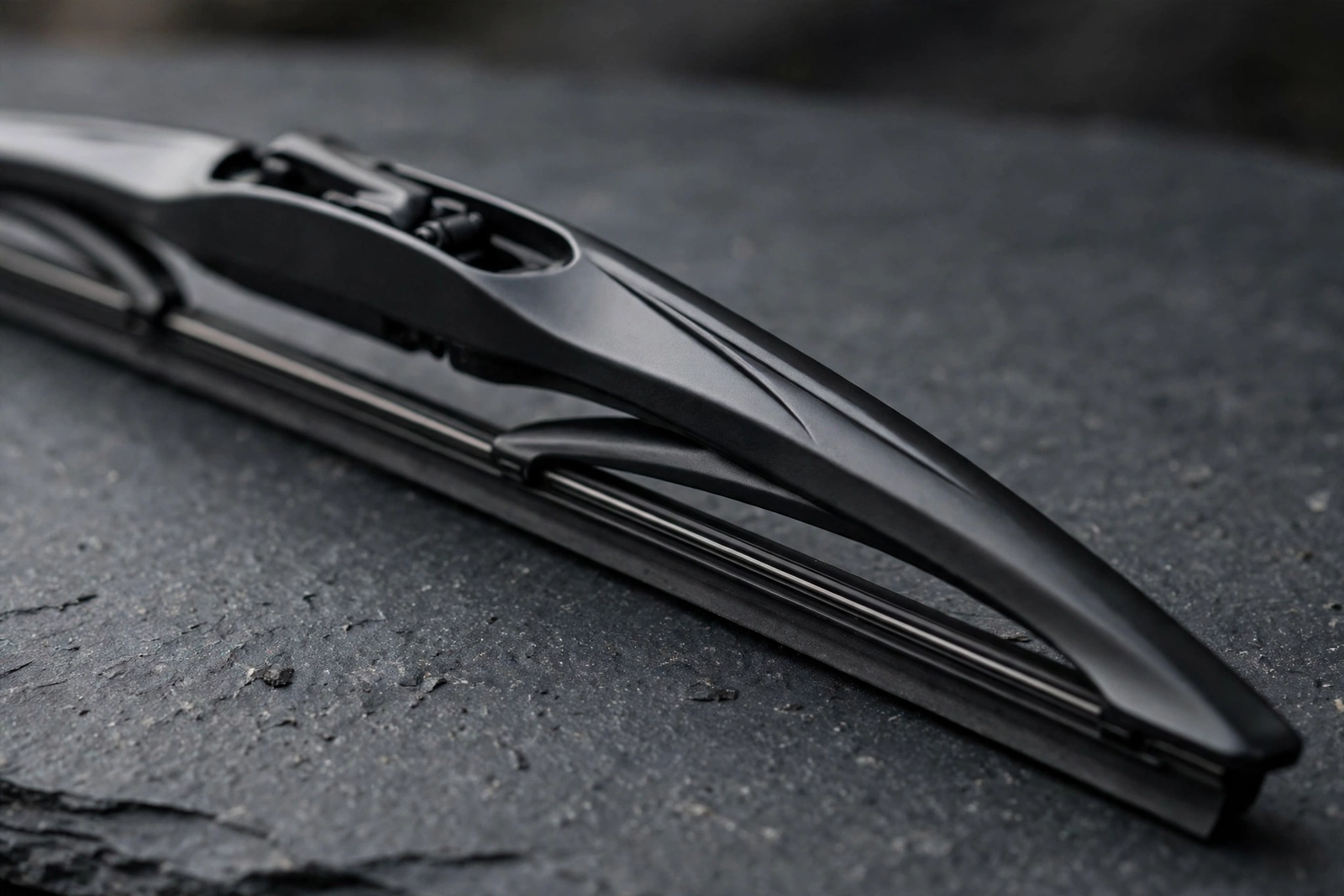
The Stealth Ultra 26-inch blade (model 8526) is sold as a single blade, a pack of one. It is a hybrid wiper blade: the listing describes a hybrid design combining the glass-hugging features of a conventional spring-loaded blade with the anti-snow features of a beam blade, for streak and noise-free wiping in rain, ice and snow. Made by Pylon Wiper for Michelin, it is a universal fit in a 26-inch length.
Three named features do the work. Smart-Flex is the frame design: it adapts to the windshield’s curve, with independent suspension for full-length contact. The Smart Hinge joints and their patented cover protect the mechanism from snow, ice and debris. The silicone element builds a water-repellent barrier on the glass, so water beads off rather than sheeting across your view. The EZ-Lok connector is a patented, tool-free fitting with adaptors the listing says fit 98% of vehicles.
Just as important is what the Stealth Ultra is not. It is not a pure beam blade — that is the Bosch ICON’s design, covered below. It is not a conventional framed blade either — that is the Rain-X WeatherBeater’s design, compared against the beam-style Repellency in our Rain-X vs WeatherBeater head-to-head. And it is not a pair: one box holds one 26-inch blade, so replacing both sides means buying two, and the passenger side is usually a different length. It is not a heated blade either, and it applies no separate coating — the beading comes from the silicone element.
Hybrid Design: Beam Meets Bracket
To see why the hybrid design matters, it helps to know the two designs it sits between. A conventional blade uses a steel frame with several pressure points pressing the rubber edge to the glass. It grips curved glass well, but every joint in the frame is a place for ice to pack in, and pressure can go uneven across the blade. A beam blade replaces the frame with a tensioned spring spine that spreads pressure evenly along the whole edge and has no joints to ice up — but on a strongly curved windshield it can lift at the corners, where the spring cannot follow the glass.
The Stealth Ultra takes the middle path. Inside its aerodynamic cover sits a spring-loaded bracket supplying the positive, articulated pressure of a conventional blade, while the cover keeps the mechanism out of the weather and cuts wind lift at speed. The result, per the listing, is streak and noise-free wiping in rain, ice and snow. Independent buying guides add that hybrids are generally the quietest of the three designs, because the shell damps vibration — noticeable on large, steeply raked windshields, where a bare beam can hum or chatter. The trade-off is weight: a hybrid carries both bracket and cover, so it is heavier than a pure beam, and in wet snow the shell can still collect some slush.
Smart-Flex Hinges and Curved Windshields
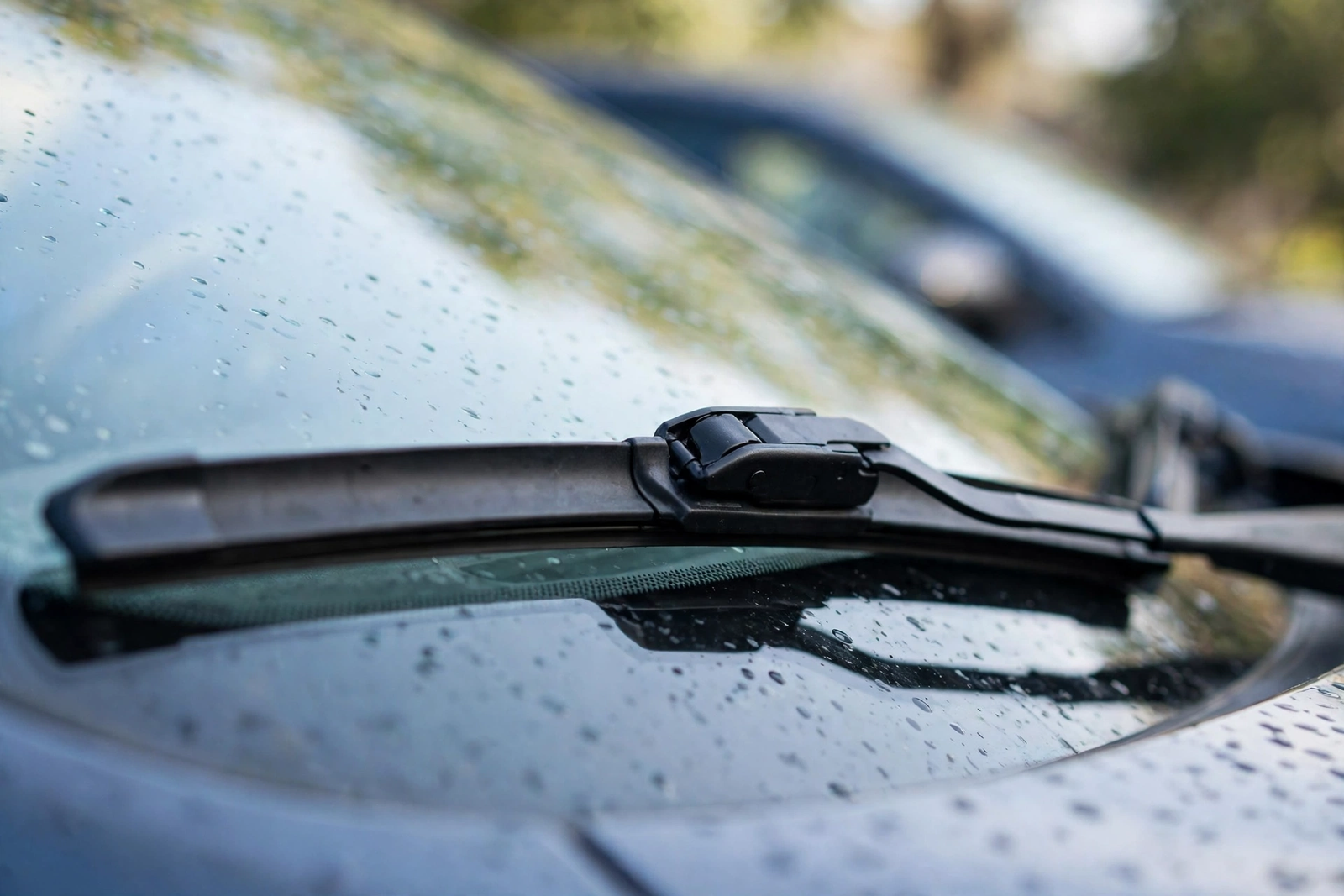
Smart-Flex is the feature this blade is built around, aimed squarely at curved glass. The frame adapts to the windshield’s curve, with independent suspension at the blade ends so the wiping edge stays in contact across the entire blade rather than bridging over the curve. The Smart Hinge joints let the blade grip the glass along its full length, and the sleek cover rotates to give the blade more articulation as it sweeps. The listing calls this multi pressure point surface contact — several points sharing the load instead of one stiff spine.
That matters most where pure beam blades struggle: trucks, SUVs, minivans and older vehicles with strongly curved glass, where a beam blade can lift off at the corners and leave unwiped arcs. On a flatter windshield the difference is smaller, but the Stealth Ultra’s articulation is why it is the usual recommendation for curved glass. At 26 inches this is a long blade for a large windshield, and long blades show contact problems more clearly: a missed corner on a 26-inch sweep is a wide band of unwiped glass.
Winter Performance: Snow, Ice, and the Hinge Cover
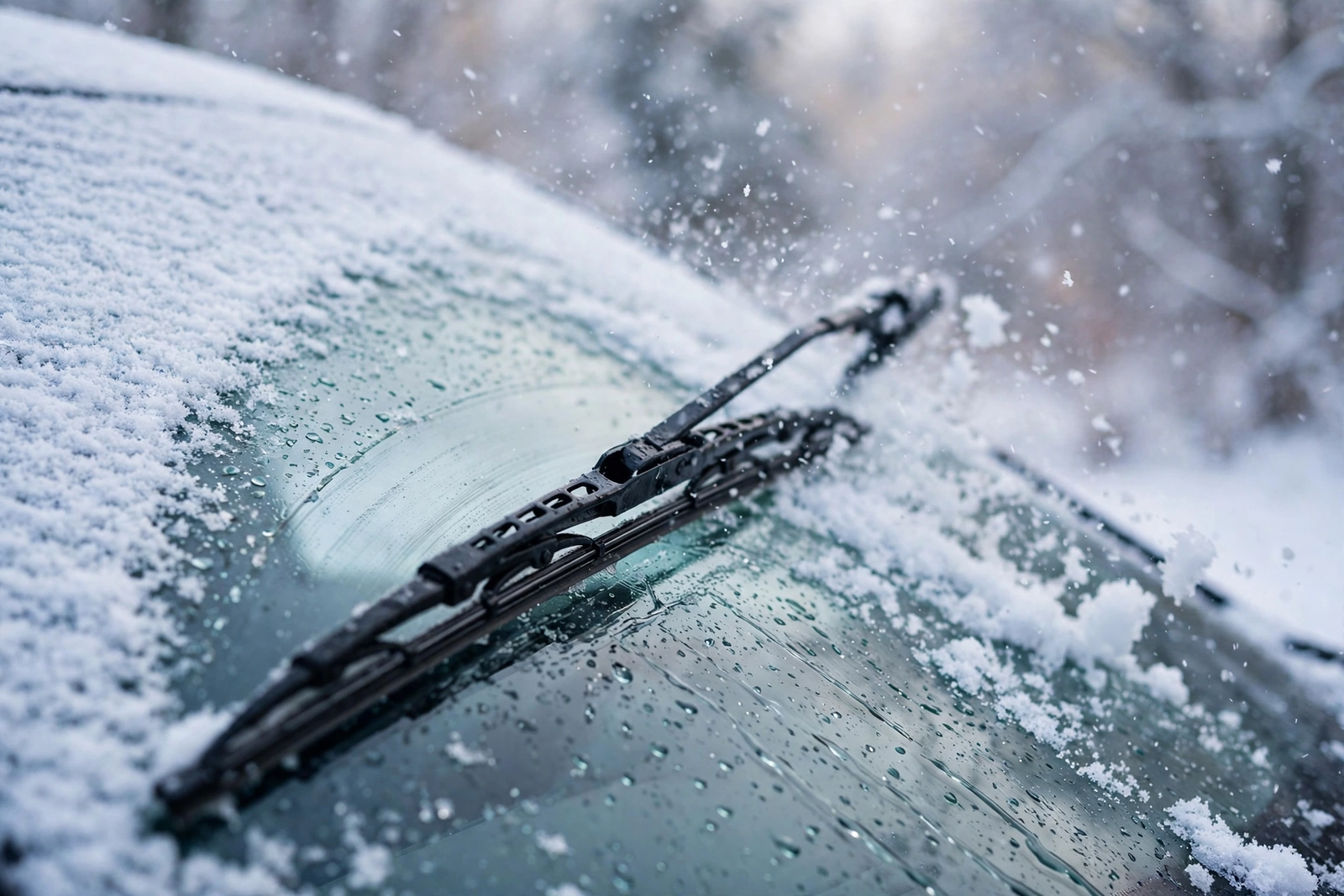
Winter is where the Stealth Ultra earns its name, and the hinge cover is the reason. On a conventional blade, freezing rain packs into the frame joints until they stop moving and the blade skips across the glass. The patented Smart Hinge Cover shields those joints from snow, ice and debris, so the hinges keep flexing when the temperature drops. The hybrid cover adds a second layer of protection: with no open frame for snow to pack into, the blade holds its shape through slush and freezing rain far better than a framed blade.
The silicone element adds a quieter winter advantage: it builds a water-repellent barrier on the glass, so water beads and rolls off instead of smearing — helpful in half-melted winter slush. The listing claims streak and noise-free wiping in rain, ice and snow, and independent guides describe the Stealth Ultra as holding up better than Rain-X in heavy snow and slush, because its advantage is contact rather than chemistry.
Fitment and Installation: EZ-Lok and the 98% Claim
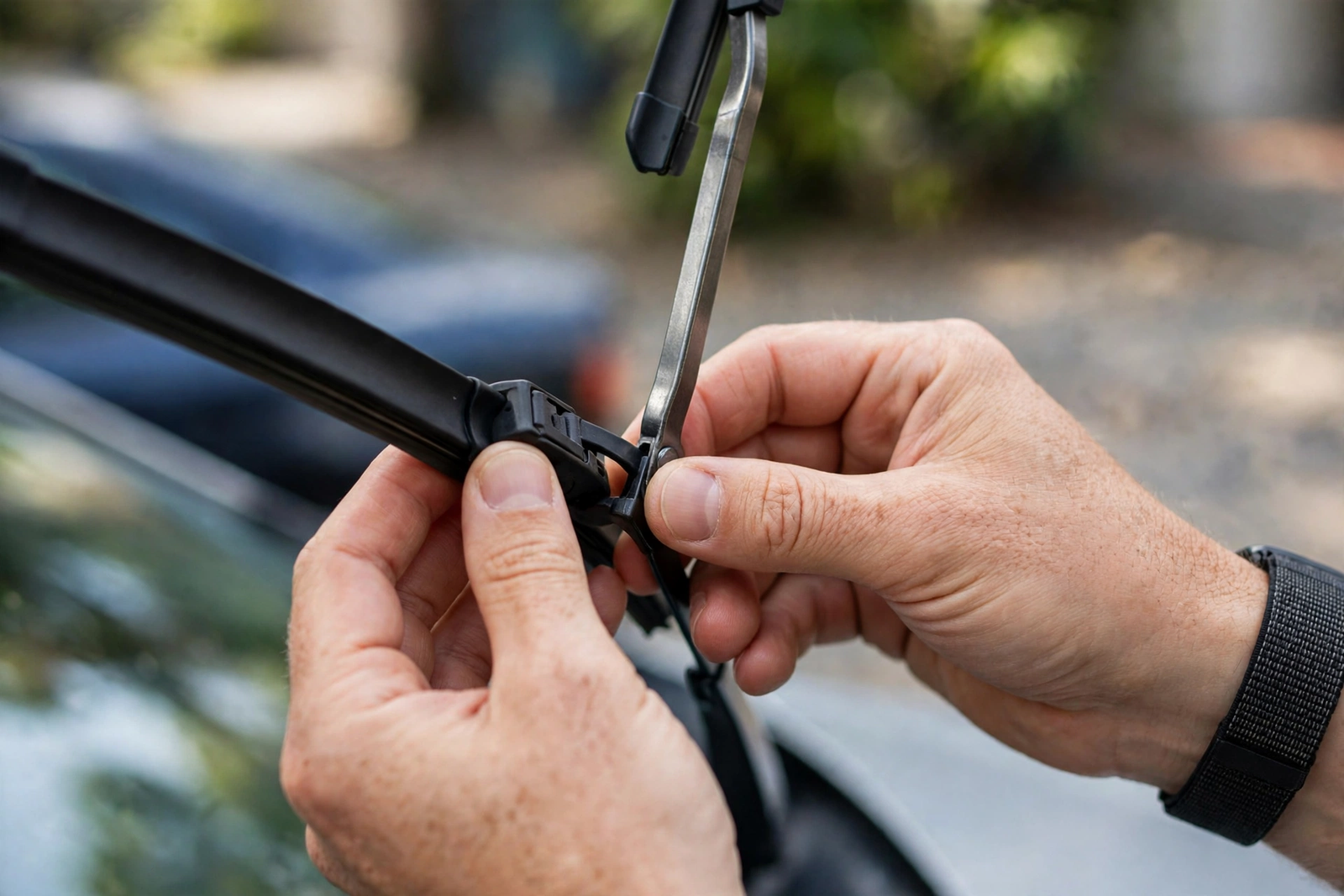
Installation is the Stealth Ultra’s easiest selling point. It uses Michelin’s patented EZ-Lok connector system, built for tool-free replacement in minutes: lift the arm away from the glass, release the old blade, click the new one on, and check it is seated before you drive. Step-by-step installation videos are available. The manual lists the mounting type as pinch tab, with adaptors for the common arm types.
The listing’s headline claim is that the included adaptors fit 98% of vehicles. Treat that as a manufacturer claim about the adaptor set, not a guarantee for your car: read the connector list for your part number and confirm it covers your arm type. The Stealth range comes in sizes from 16 to 28 inches, so the 26-inch blade reviewed here is one size in a wide range — buying the right length matters more than the right brand, and a blade an inch too long will overhang the glass and chatter. Changing blades is a five-minute job per side with no tools — add blade checks to your car maintenance checklist and replace at the first sign of skipping.
Michelin Stealth Ultra vs the Alternatives (Rain-X Latitude, Bosch ICON)
The Rain-X Latitude is the coating-first rival: a beam blade whose 2-in-1 action applies Rain-X water-repellent formula to the windshield as it wipes, so rain beads and rolls off the glass. Its synthetic rubber squeegee resists cracking in extreme heat, and two connectors fit eight arm types — J-hooks, pin arms, bayonet and PTB. If water beading is what you want most, the Latitude puts it front and centre; the Stealth Ultra’s silicone element beads water too, but beading is a side benefit of its design, not the headline. Our Rain-X vs WeatherBeater head-to-head covers the Rain-X family, including how the beam-style Repellency compares with the conventional WeatherBeater.
The Bosch ICON 26A is the pure-beam rival, and a direct size match: a single 26-inch beam blade, the same length as the Stealth Ultra reviewed here. It uses ClearMax 365 rubber and an exclusive DynamicFit tension spring arcing design that contours the blade to the windshield’s curvature, with an asymmetric spoiler holding it to the glass at speed. Bosch claims the ICON lasts up to 40% longer than other blades. Against the Stealth Ultra, the ICON is the simpler idea — one tensioned beam, no bracket, no cover — lighter, with nothing to pack with slush, but without the articulated pressure and hinge protection the hybrid provides.
The choice comes down to your windshield and your weather. Pick the Stealth Ultra if your glass is strongly curved or you drive in snow and ice: its hybrid shell and Smart-Flex hinges keep contact where a pure beam lifts at the corners. Pick the Bosch ICON if your windshield is fairly flat and you want the simplest premium beam. Pick the Rain-X Latitude if the water-repellent coating effect matters most. All three are honest blades; the wrong buy fights your windshield’s shape instead of following it.
Who Should Buy It — and Who Should Skip It
Buy the Stealth Ultra if you drive a truck, SUV, minivan or older car with a strongly curved windshield — that is where Smart-Flex earns its keep. Buy it if you live where winter means snow and ice: the hinge cover and hybrid shell are built for that failure mode. Buy it if your current blades chatter or streak on a curved screen, or if you want beam-style snow shedding with the positive pressure of a bracket blade. It also suits drivers who swap blades themselves and want a tool-free, minutes-long job.
Skip it if your windshield is fairly flat and you want the simplest premium beam — the Bosch ICON does that job with less weight and nothing to pack with slush. Skip it if the water-repellent coating matters most — the Rain-X Latitude makes the coating its headline, where the Stealth Ultra treats beading as a side benefit. And skip it as a one-box pair: the 26-inch Stealth Ultra is a single blade, so if you want both sides in one order, buy two and check the passenger-side length first. Whatever you buy, confirm the size and connector before ordering — the best blade in the wrong length is still the wrong blade.
Verdict
The Michelin wiper blades sold as the Stealth Ultra are the hybrid answer to a real problem: conventional blades ice up, beam blades can lift on curved glass, and this blade’s bracket-in-a-cover design addresses both. The Smart-Flex hinges, hinge cover and EZ-Lok fitting are genuinely useful rather than decoration, and the 26-inch size suits large, curved windshields that show contact problems most. Its limits are equally clear: heavier than a pure beam, its shell can still collect slush in wet snow, and it comes as a single blade, not a pair. If your windshield is curved or your winters are snowy, those are small trade-offs for a blade that keeps contact where others lift or freeze. If your glass is flat and your weather is mild, the Bosch ICON is the simpler buy.
Frequently Asked Questions
Will the 26-inch Stealth Ultra fit my car?
It depends on your vehicle. Wiper sizes vary by model, and the driver and passenger blades are almost always different lengths, so check your owner’s manual or measure your current blades before ordering. The Stealth Ultra line comes in sizes from 16 to 28 inches, and the listing says the included adaptors fit 98% of vehicles — but confirm the connector list for your application before you buy.
What makes the Stealth Ultra a hybrid wiper blade?
It combines a conventional spring-loaded bracket with the anti-snow features of a beam blade. The bracket presses the wiping edge against the glass, while the aerodynamic cover keeps snow, ice and debris out of the mechanism and reduces wind lift. That is the hybrid idea: bracket pressure with beam-style protection.
How does the Stealth Ultra handle snow and ice?
Its patented Smart Hinge Cover protects the hinges from snow and ice buildup, which is the most common winter failure on conventional framed blades. The silicone element also builds a water-repellent barrier so water beads off the glass. In wet, heavy snow the shell can still collect some slush, so clear heavy snow from the windshield before switching the wipers on.
Is the Stealth Ultra hard to install?
No. It uses Michelin’s patented EZ-Lok connector system, which is designed for tool-free installation in minutes, and step-by-step installation videos are available. Lift the wiper arm, release the old blade, click the new one on, and check that it is seated before you drive.
How long do Michelin wiper blades last?
Plan on replacing them every 6 to 12 months, depending on climate and use. Streaking, chattering, skipping or missed spots mean replacement time regardless of brand. Sun and ice age rubber faster than garage storage. Michelin’s manual cites independent testing of 300,000 wipe cycles, but treat that as a laboratory durability figure, not a promise that your blades will last longer.
Should I buy the Michelin Stealth Ultra or the Bosch ICON?
Buy the Stealth Ultra if your windshield is strongly curved or you drive in snow and ice — its hybrid shell and Smart-Flex hinges keep contact where a pure beam can lift at the corners. Buy the Bosch ICON 26A if you want a pure beam blade: it uses ClearMax 365 rubber and DynamicFit tension spring arcing, and Bosch claims up to 40% longer life. Both are single 26-inch blades, so check that 26 inches matches your vehicle either way.