As an Amazon Associate I earn from qualifying purchases.
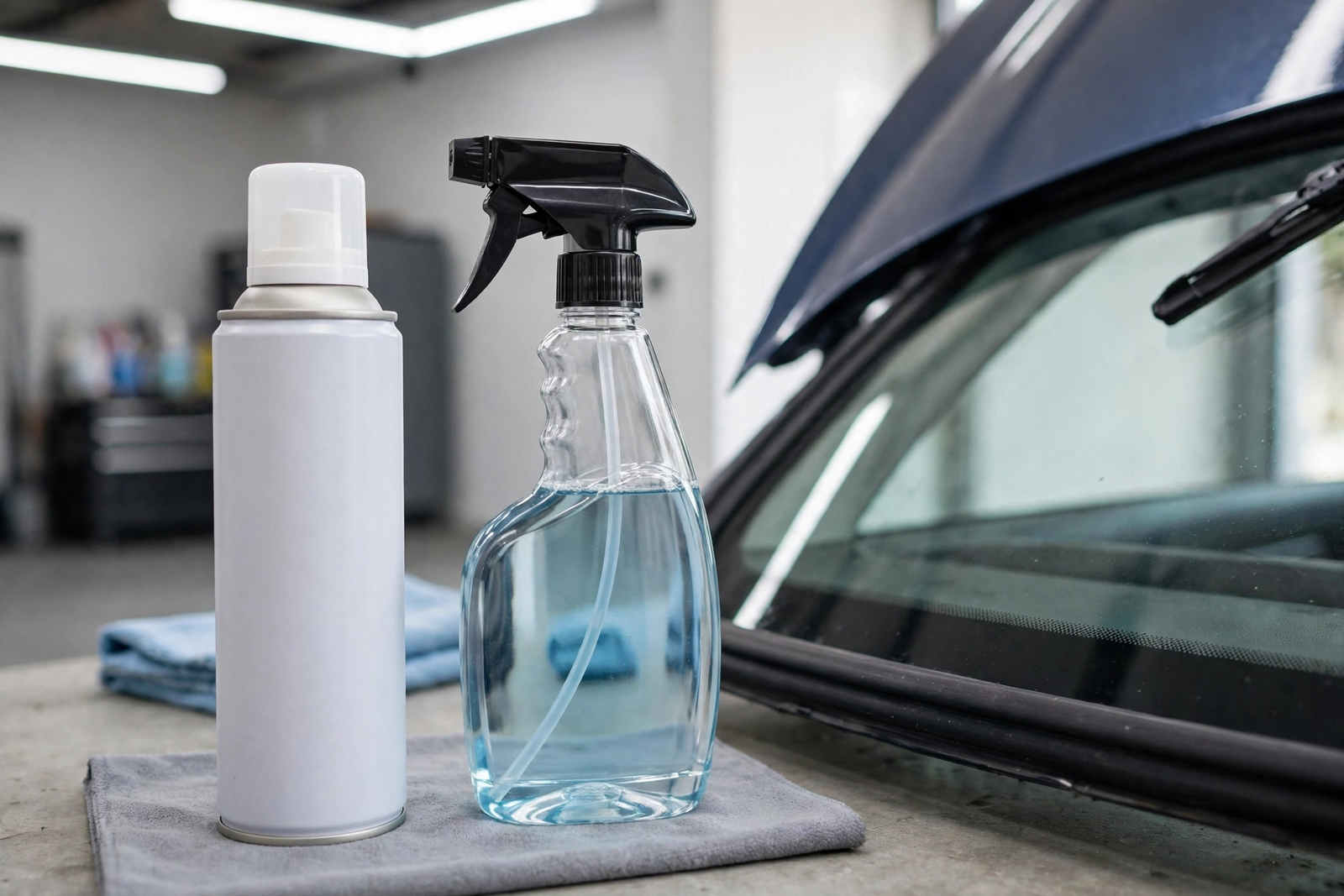
This invisible glass foaming vs spray comparison looks at Stoner’s Invisible Glass, the most-bought automotive glass cleaner on Amazon. It comes in two formats that confuse buyers: a foaming aerosol and a trigger spray. Same brand, same residue-free promise — different delivery. This head-to-head compares cling, control, coverage, and value so you can pick the format that fits how you clean glass.
Short answer: The foaming aerosol wins for windshields and heavy grime — its thick foam clings to vertical glass instead of running down onto the dash, giving it more dwell time to lift dirt. The trigger spray wins for everyday use — it gives precise control over where the product lands, with even coverage and minimal waste. Most detailers end up owning both.
Table of Contents
Quick Picks: Invisible Glass Foaming vs Spray
| Pick | Product | Best For | Check Price |
|---|---|---|---|
| Overall Winner | Invisible Glass Foaming Auto Glass Cleaner 2 Pack | Windshields and heavy grime: foam clings, no drips | |
| Best Budget | Invisible Glass Auto Glass Cleaner Spray 22 oz | Everyday glass: precise control, less waste | |
| Premium Pick | Invisible Glass Foaming Auto Glass Cleaner 2 Pack | Two 19 oz cans: best per-ounce value for frequent cleaners |
Invisible Glass Foaming vs Spray: Side-by-Side Specs
All figures below come from the products’ Amazon listings and Stoner’s published product information, checked the same day this article was written.
| Spec | Foaming (aerosol) | Spray (trigger) |
|---|---|---|
| Format | 19 oz aerosol can, 2-pack | 22 oz trigger spray bottle |
| Action | Thick foam clings to vertical glass | Fine mist, even coverage |
| Formula | No soaps, scents, or dyes; residue-free | ClearDry formula; no soaps, scents, or dyes |
| Ammonia | Ammonia-free | Ammonia-free |
| Tint safety | Safe for tinted and non-tinted windows | Safe for tinted and non-tinted windows |
| Best surface | Upright windshields, heavy grime | All glass; mirrors, side windows, touch-ups |
| Drips | Minimal — foam stays put | Can run on vertical glass if over-applied |
| Rating snapshot | 4.7 average, ~19k ratings | 4.7 average, ~16k ratings |
The honest framing for this invisible glass foaming vs spray matchup first: this is a format comparison, not a chemistry showdown. Both are Stoner Invisible Glass, both are ammonia-free and tint-safe, both promise zero residue. What differs is how the product meets the glass — and that changes which jobs each one suits.
Cleaning Action: Cling vs Control
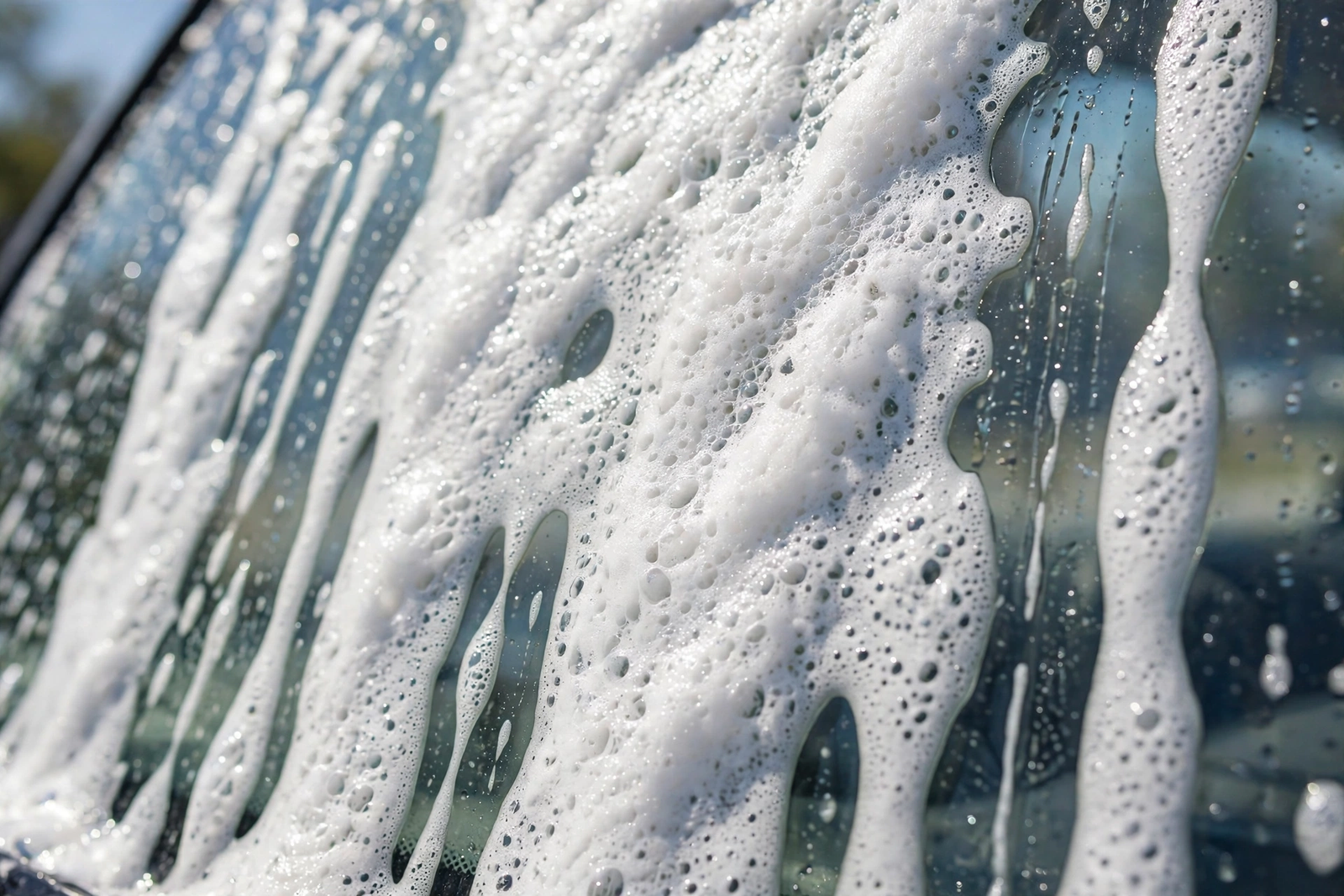
In this invisible glass foaming vs spray comparison, the foaming aerosol’s advantage is dwell time. The listing describes a thick foam that clings to vertical auto glass, lifting dirt, grease, fingerprints, smoke haze, sap, and bugs without running down onto the dash. On an upright windshield — the hardest glass to clean without drips — that cling is the whole game. The foam sits on the grime instead of sliding off it, which is why detailing guides consistently recommend the aerosol for windshields.
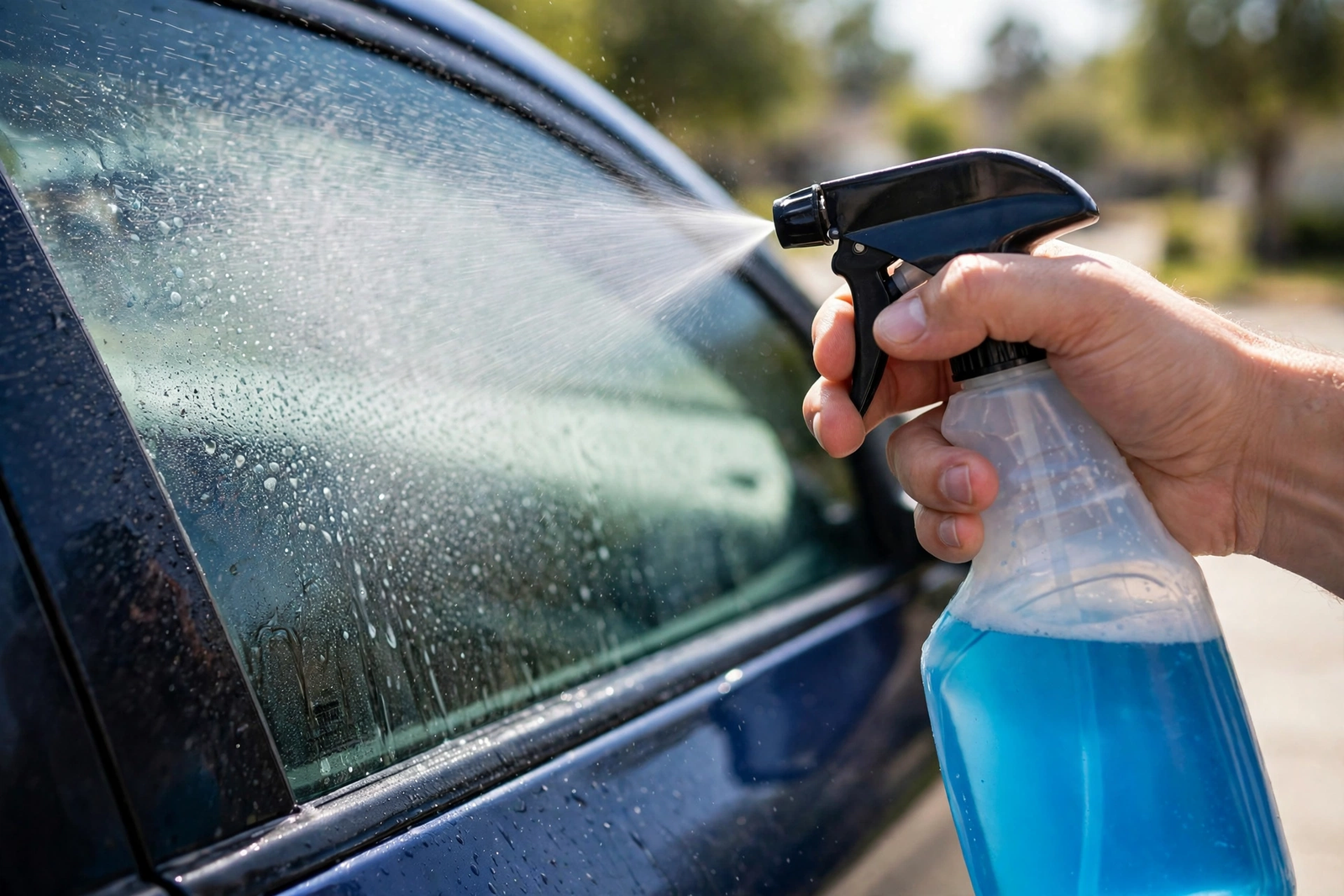
The trigger spray’s advantage is control. The 22 oz bottle puts a fine, even mist exactly where you aim it, which makes it the better tool for side windows, mirrors, and quick touch-ups. Less product ends up where you do not want it, so there is less waste per job. For the weekly wipe-down of all the car’s glass, the spray is the more versatile everyday product.
Neither leaves residue by design — Stoner’s whole pitch is that the formula contains no soaps, scents, or dyes, so there is nothing left on the glass to cause streaks or haze.
Tint Safety and Interior Use
Both formats are ammonia-free, which is the spec that matters for tinted windows. Ammonia-based cleaners can damage or discolor window tint and release fumes you do not want in a closed cabin. Both Invisible Glass formats avoid that entirely, and Stoner states both are safe on factory and aftermarket tint.
For interior glass, the foam has a practical edge: it does not drip onto the dash or into defroster vents the way a liquid spray can. Spraying the trigger version onto the towel first (rather than the glass) closes most of that gap — it is the standard technique either way.
Coverage and Value
The foaming version comes as a 2-pack of 19 oz aerosol cans (38 oz total), while the spray is a single 22 oz trigger bottle. For a driver who cleans glass frequently, the 2-pack is the better per-ounce value. For occasional use, one trigger bottle lasts a long time because the mist is efficient.
Both carry 4.7-star averages across 16k–19k ratings — the highest rating tier in the category, at volumes where quality problems would have surfaced long ago.
Who Fits Whom
- Windshield-heavy routine: Foaming aerosol — the cling that makes upright glass easy.
- Everyday all-glass cleaning: Trigger spray — precise, efficient, versatile.
- Tinted windows: Either — both are ammonia-free and tint-safe.
- Best value for frequent cleaners: Foaming 2-pack — more product per dollar.
- The complete setup: Both — foam for windshields, spray for everything else.
The Verdict
The verdict in this invisible glass foaming vs spray comparison: buy the foaming aerosol if your main frustration is the windshield — the foam’s cling on vertical glass is a genuine functional advantage that the spray cannot replicate.
Buy the trigger spray if you want one bottle for all the car’s glass — its control and efficiency make it the better everyday tool.
Buy both if you detail regularly. They are the same trusted formula in two formats, and together they cover every glass job on the car.
Frequently Asked Questions
Still deciding? These invisible glass foaming vs spray questions cover what buyers ask most.
Is Invisible Glass foaming or spray better?
In this invisible glass foaming vs spray comparison, for windshields, the foaming aerosol is better — its thick foam clings to vertical glass instead of dripping onto the dash, giving it more time to lift grime. For side windows, mirrors, and general use, the trigger spray is better — it offers precise control with less waste. Both share the same ammonia-free, tint-safe, residue-free formula.
Is Invisible Glass safe on tinted windows?
Yes. Both the foaming and spray formats are ammonia-free, and Stoner states both are safe on factory and aftermarket tinted windows. Ammonia is the ingredient that damages tint, and neither format contains it.
Does Invisible Glass leave streaks?
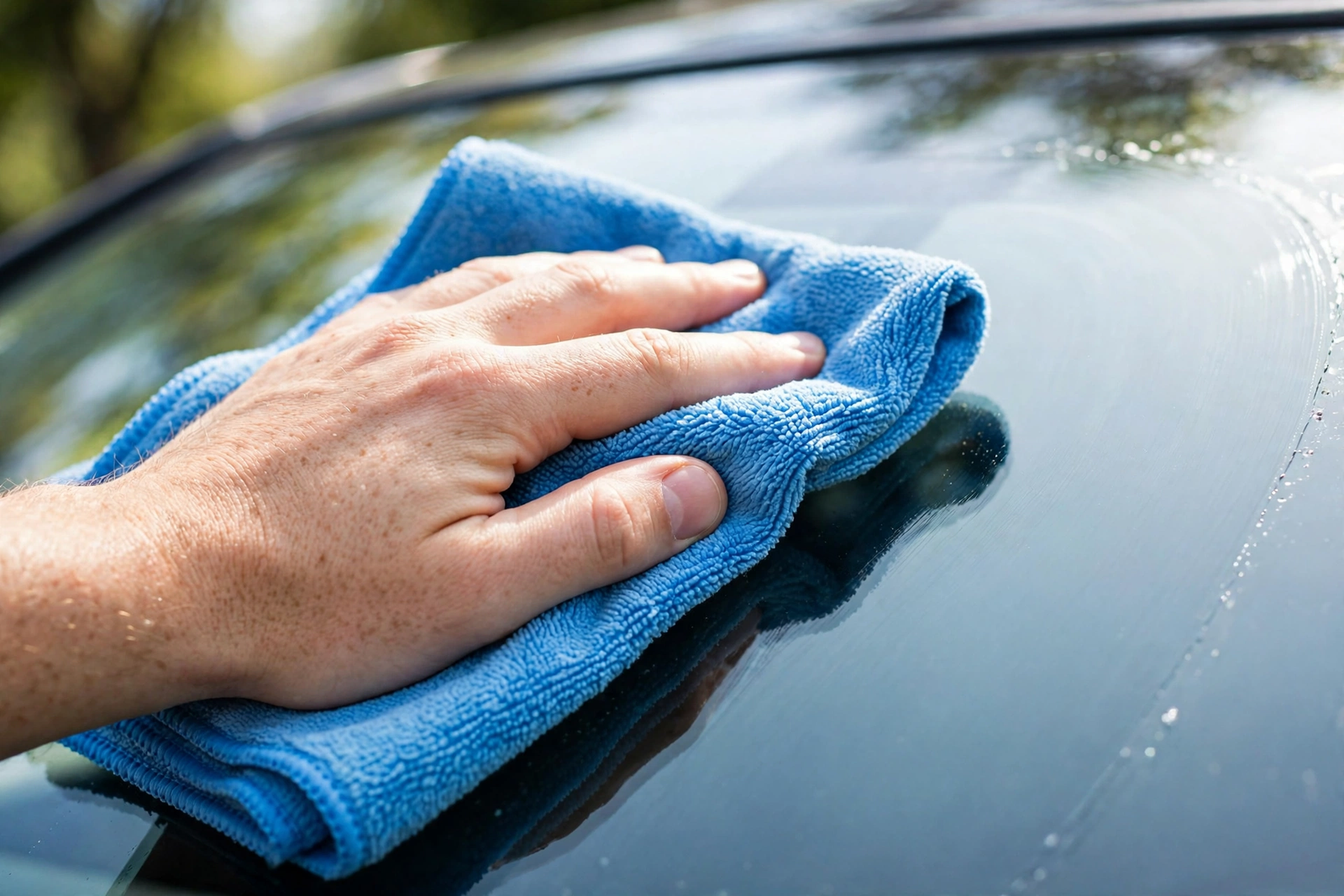
It is designed not to. The formula contains no soaps, scents, or dyes — the ingredients that typically leave residue and cause streaking. Wipe off with a clean microfiber cloth for the best finish.
Can I use Invisible Glass inside the car?
Yes. Both formats work on interior and exterior glass. The foaming version has an edge inside because it does not drip onto the dash; with the spray, apply it to the towel first rather than spraying the glass directly.
What is the difference between the 19 oz and 22 oz sizes?
The 19 oz size is the foaming aerosol (sold here as a 2-pack, 38 oz total); the 22 oz is the trigger spray bottle. The aerosol’s foam format suits windshields; the trigger’s mist suits controlled everyday cleaning.
Do I need both?
Not necessarily, but many detailers keep both: foam for the windshield where cling matters, spray for side glass and mirrors where control matters. If you buy one, match it to the job you do most.