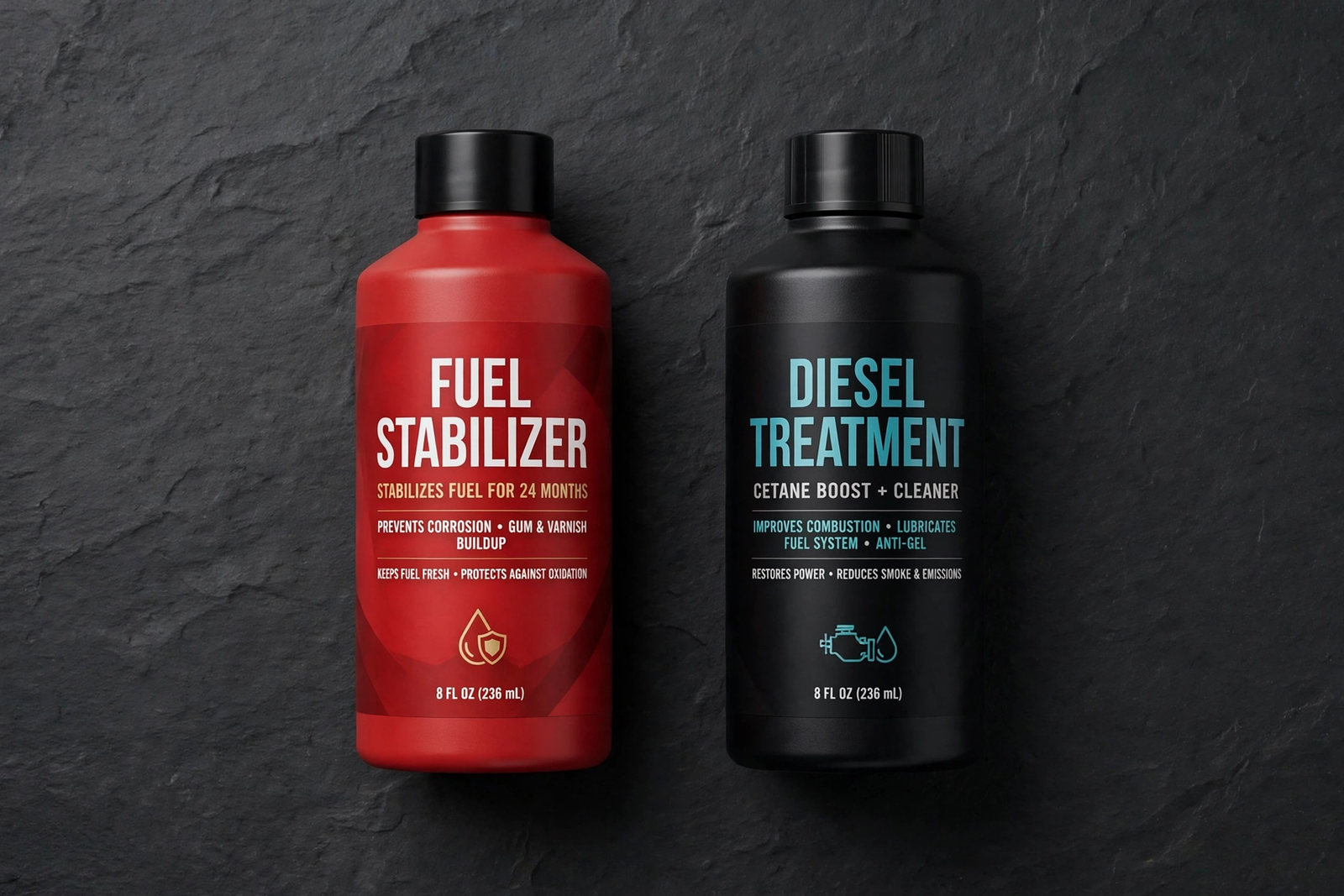

Diesel owners live with concerns gas drivers never think about: fuel gelling in winter, injector deposits, water in fuel, and cetane levels that vary by station. Diesel fuel treatments promise to address all of it, and Hot Shot’s Secret is one of the most talked-about names among diesel pickup owners. This review looks at the Everyday Diesel Treatment: what it claims, what it plausibly does, and where the honest limits are.
The listing facts: a 4.8-star rating across more than 9,700 reviews, which is an unusually strong rating for a fuel additive. One critical framing note up front: this is a diesel-only product. It has no place in a gasoline tank.
The short answer: for diesel pickup and truck owners, Hot Shot’s Secret Everyday Diesel Treatment is a well-reviewed maintenance additive: anti-gel protection, injector detergents, and cetane improvement in one bottle, at 4.8 stars across 9,700-plus reviews. It is maintenance, not repair; it will not fix a failing injector or a gelled tank.
As an Amazon Associate I earn from qualifying purchases.
Table of Contents
Table of Contents
Quick Pick: Hot Shot’s Secret
| Pick | Product | Why | |
|---|---|---|---|
| Best Overall | Hot Shot’s Secret Everyday Diesel Treatment | 4.8 stars across 9,700+ reviews; the diesel-owner favorite | |
| Best for Winter | Hot Shot’s Secret Everyday Diesel Treatment | Anti-gel protection for cold-weather diesel operation | |
| Best Maintenance Pick | Hot Shot’s Secret Everyday Diesel Treatment | Injector detergents + cetane boost in one bottle |
Hot Shot’s Secret Everyday Diesel Treatment
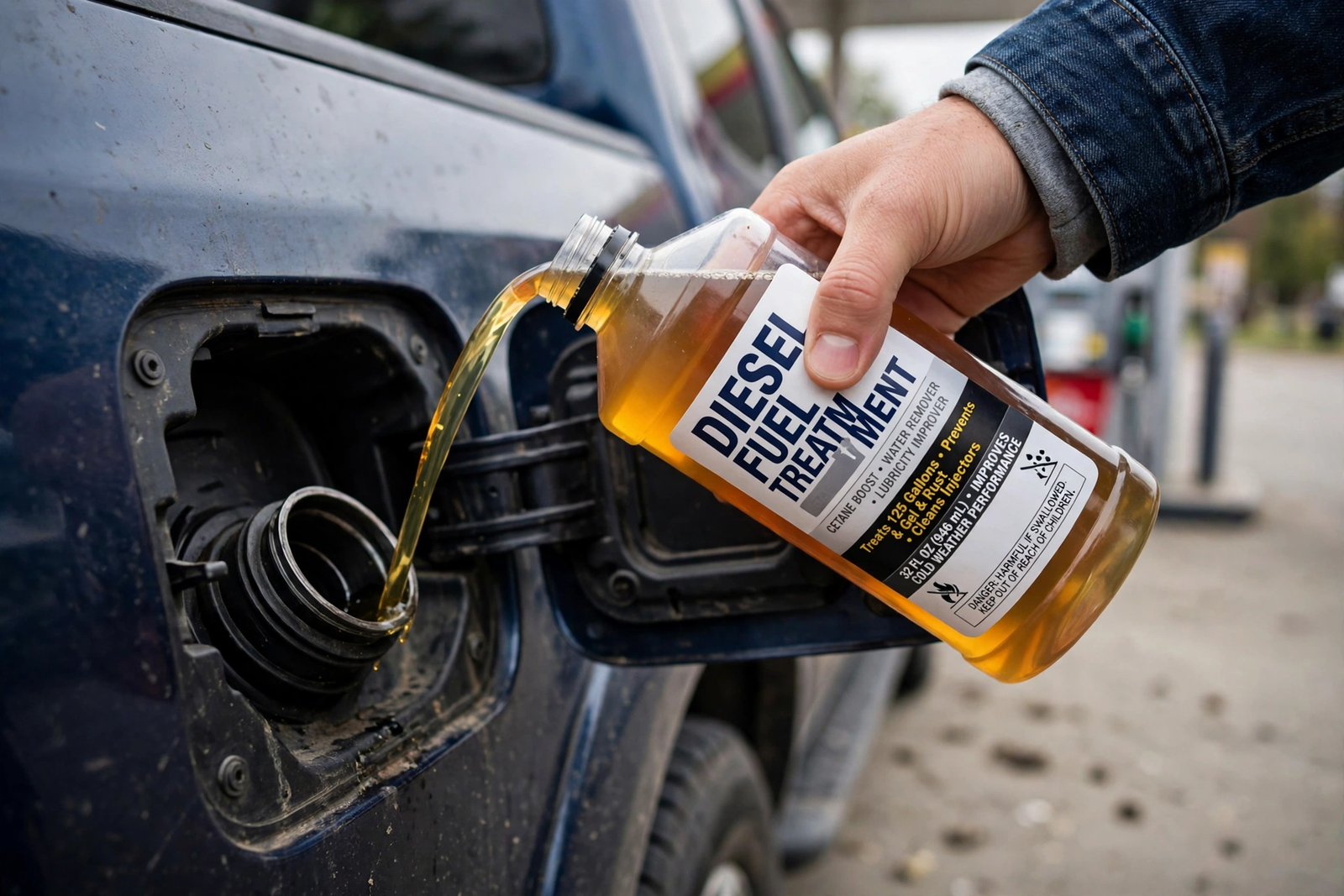
The Everyday Diesel Treatment bundles the jobs diesel owners actually need: anti-gel for winter, detergents for injector cleanliness, a cetane improver for combustion quality, and water dispersants. The 4.8-star rating across 9,700-plus reviews is the standout fact; fuel additives rarely rate this well, which suggests the product consistently does what owners expect.
What stands out: the breadth. Instead of buying separate anti-gel, injector cleaner, and cetane boost, one bottle covers the routine. For diesel owners who treat every tank in winter, that consolidation matters.
Worth knowing: the honest limits. No additive fixes a mechanically failing injector, removes water already pooled in the tank, or thaws gelled fuel (that needs heat and a different product). This is preventive maintenance: it keeps a healthy fuel system healthy.
Everyday Diesel Treatment at a Glance
| Type | Diesel fuel treatment (diesel only) |
| Jobs | Anti-gel, injector detergent, cetane boost, water dispersant |
| Use | Added at fill-up, per dosing instructions |
| Not for | Gasoline engines, ever |
| Rating | 4.8 stars across 9,700+ reviews |
Buying Guide: Diesel Additives, Dosing, and Honest Limits
Diesel only, no exceptions. This product is formulated for diesel fuel systems. Never add it to a gasoline tank; the chemistries are incompatible.
Dose per the label. More is not better with fuel treatments. Follow the bottle’s treat rate per gallon; overdosing wastes money and can cause its own issues.
Winter is the season that matters. Anti-gel is the highest-value job for most owners. If you run diesel where temperatures drop below freezing, treating before the cold snap beats treating after the gel.
Maintenance, not repair. Additives keep clean systems clean. For existing problems, see a diesel tech. Keep up with filters too; see our car maintenance checklist for the full routine.
Who Fits Whom
- Diesel pickup owners: the core audience; every-tank treatment in winter is the use case.
- Cold-climate drivers: anti-gel is the single most valuable job this bottle does.
- High-mileage diesels: injector detergents help keep older injectors clean.
- Gasoline owners: not for you, at all.

Diesel Winter Prep Beyond the Bottle
Treat before the cold. Anti-gel is preventive. The treatment needs to be in the tank and circulated before temperatures drop, not added to already-gelling fuel.
Keep the tank full. A full tank leaves less room for condensation, which means less water in the fuel. Water is what freezes first and feeds microbial growth.
Change the fuel filter on schedule. No additive replaces filtration. A clogged filter in January is a no-start; the filter is cheap insurance.
Know your fuel. Winter-blend diesel from the pump already has some cold-weather treatment. The bottle is your extra margin, especially on biodiesel blends, which gel sooner.
Carry the emergency kit. Jumper cables or a jump starter, a blanket, and a charged phone. Diesel no-starts happen to prepared owners too; the kit turns a crisis into an inconvenience.

How Diesel Fuel Treatment Actually Works
Anti-gel chemistry. Diesel contains waxes that crystallize in the cold. Anti-gel additives modify those wax crystals so they stay small enough to pass through the fuel filter instead of clogging it. This is prevention at the molecular level, and it only works if the treatment is in the fuel before the cold arrives.
Detergents. Injector deposits build up over thousands of miles, degrading spray patterns and efficiency. Detergent additives in the treatment gradually clean deposits with ongoing use; they maintain clean injectors far better than they rescue dirty ones.
Cetane improvers. Cetane measures diesel’s ignition quality. Higher cetane means quicker, cleaner ignition, which owners experience as smoother cold starts and slightly quieter operation. US pump diesel varies, so the improver smooths out the bad batches.
Water dispersants. Water in diesel feeds microbial growth and corrodes. Dispersants help tiny water droplets pass through and burn rather than pooling. They manage trace water; they do not fix a tank with standing water in it.
Storage and Shelf Life
Store diesel treatment sealed at room temperature; most bottles list a multi-year shelf life. Do not buy more than a winter’s worth at once, and keep the bottle upright in the truck bed toolbox or garage, not rolling around the cab. A bottle that has been open for over a year is still usable, but fresh stock treats more predictably.
The Verdict
For diesel owners, Hot Shot’s Secret Everyday Diesel Treatment earns its reputation: a 4.8-star rating across more than 9,700 reviews for a product that bundles anti-gel, injector cleaning, and cetane boost into one bottle. Buy it as winter preventive maintenance, dose per the label, and keep expectations honest: it maintains healthy fuel systems, it does not repair broken ones.
Frequently Asked Questions
Is Hot Shot’s Secret good?
This hot shot’s secret review lands on yes for diesel owners: a 4.8-star rating across 9,700-plus reviews is exceptional for a fuel additive. It bundles anti-gel, injector detergents, and cetane improvement in one bottle, which matches what diesel pickup owners actually need.
Can I use it in a gas engine?
No. It is formulated for diesel fuel systems only. Never add diesel treatment to a gasoline tank.
How do I dose it?
Add it at fill-up according to the bottle’s treat rate per gallon. Do not overdose; follow the label exactly.
Will it fix a gelled fuel tank?
No. Once diesel has gelled, you need heat to reliquefy it, plus a different emergency product. Anti-gel is preventive: treat before the cold, not after the gel.
Does it replace fuel filter changes?
No. Additives complement filter maintenance; they do not replace it. Change fuel filters on the manufacturer’s schedule.
Every tank or occasionally?
In winter, every tank is the common practice among diesel owners. In mild weather, many owners treat every few tanks for the injector-detergent benefit.