As an Amazon Associate I earn from qualifying purchases.
Valvoline sells two of the most popular motor oils on the shelf, and they are built for different jobs. MaxLife is a synthetic blend engineered for high-mileage engines, with seal conditioners that fight the leaks older engines develop. Advanced Full Synthetic is a 100-percent synthetic oil built for maximum protection and longer drain intervals in any engine. This head-to-head compares base oil, high-mileage additives, stated protection, and specs, so you match the oil to your engine’s age and your driving.
The short answer: Valvoline MaxLife vs Advanced comes down to your odometer. MaxLife is the better pick for engines with 75,000 miles or more, thanks to seal conditioners and anti-wear additives aimed at aging engines. Advanced Full Synthetic is the better pick for newer engines or anyone who wants the longest stated drain interval, with 10,000-mile protection claimed on the listing.
Table of Contents
Quick Picks: Valvoline MaxLife vs Advanced
| Pick | Product | Best For | Check Price |
|---|---|---|---|
| Overall Winner | Valvoline Advanced Full Synthetic 0W-20 | Most drivers: full synthetic protection, longest stated interval | |
| Best Budget | Valvoline MaxLife High Mileage 5W-30 | High-mileage engines 75,000+ miles; lower price tier | |
| Premium Pick | Valvoline Advanced Full Synthetic 0W-20 | Maximum synthetic protection for newer engines |
Valvoline MaxLife vs Advanced: Side-by-Side
All figures below come from the products’ listings and Valvoline’s published specs, checked the same day this article was written.
| Valvoline MaxLife High Mileage 5W-30 | Valvoline Advanced Full Synthetic 0W-20 | |
|---|---|---|
| Base oil | Synthetic blend (synthetic + conventional) | 100% full synthetic |
| Viscosity | 5W-30 | 0W-20 |
| Built for | Engines with 75,000+ miles | All engines; newer engines especially |
| Seal conditioners | Yes — helps prevent leaks, reduce oil consumption | Not stated |
| Wear protection claim | 20% better wear protection than industry standards | Full-synthetic film strength |
| Sludge defense claim | 15% better sludge defense than industry standards | Advanced detergent package |
| Stated drain interval | No mileage figure stated | 10,000-mile protection (listing title) |
| Standards | ILSAC GF-7A, API SQ/SP/SN Plus | ILSAC GF-7A, API SQ/SP |
The headline difference is base oil. MaxLife blends synthetic and conventional base stocks, which keeps it in a lower price tier while its additive package does the high-mileage work. Advanced uses 100-percent synthetic base stocks, which is what buys the longer stated drain interval and stronger extreme-temperature performance.
High-Mileage Additives: MaxLife’s Reason to Exist
This is the section that decides the purchase for older cars. MaxLife’s formula centers on seal conditioners, additives designed to keep aging engine seals pliable so they keep sealing. As engines pass 75,000 miles, seals harden and shrink, and the first symptom is usually small oil leaks or rising oil consumption between changes. The listing also claims 20 percent better wear protection and 15 percent better sludge defense than industry standards, plus extra detergents against friction, corrosion, and deposits.
Advanced Full Synthetic makes no high-mileage-specific claims. It is not formulated with seal conditioners, because it is not aimed at aging seals. For an engine with 120,000 miles that is starting to weep oil, that absence matters more than any synthetic advantage.
Drain Intervals and Synthetic Strength: Advanced’s Edge
Here Advanced wins clearly. Its listing states 10,000-mile protection, while the MaxLife listing states no protection mileage figure at all. Full synthetic base stocks also resist thermal breakdown better at high temperatures and flow better at cold startup, which is real protection your engine feels every winter morning.
The practical meaning: if you follow extended drain intervals or simply want the maximum stated protection between changes, Advanced is the oil built for that. MaxLife buyers should follow their owner’s manual interval, typically 5,000 to 7,500 miles, rather than stretching. Pair either oil with a regular under-bonnet routine — see our car maintenance checklist for what else to check between services.
The Viscosity Warning You Must Not Skip
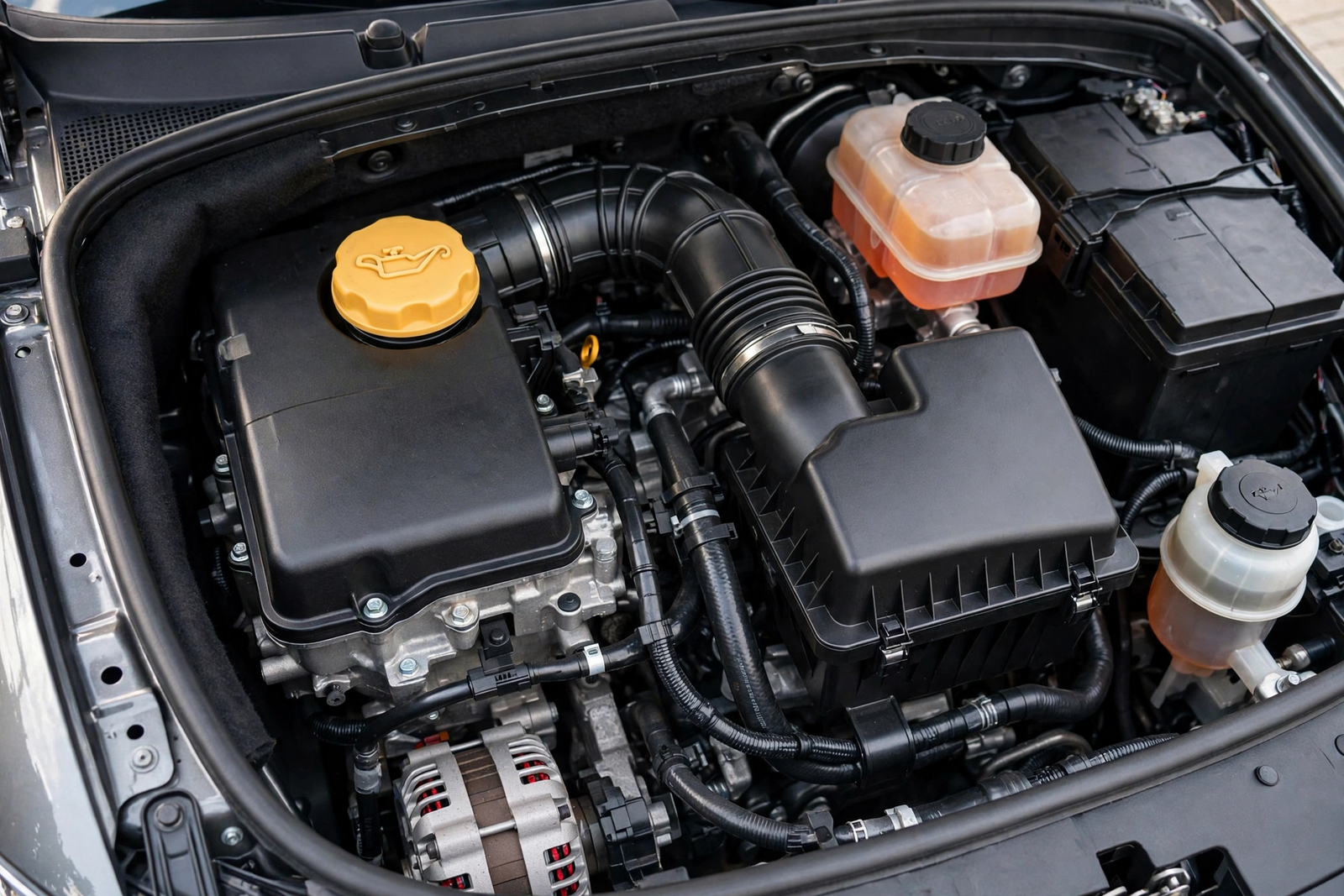
These two products come in different viscosity grades, 5W-30 for this MaxLife and 0W-20 for this Advanced, and that is not a minor detail. Your owner’s manual specifies a viscosity grade, and you should use it. Running the wrong grade can affect fuel economy, cold-start protection, and in some cases warranty coverage. Both product lines come in multiple grades, so match the grade to your manual first, then pick MaxLife or Advanced within that grade.
Who Should Buy MaxLife vs Advanced
Buy Valvoline MaxLife if: your engine has 75,000 miles or more; you are seeing small leaks or rising oil consumption; you want high-mileage additives in a lower price tier; you follow standard 5,000–7,500 mile change intervals. This is the aging-engine pick.
Buy Valvoline Advanced Full Synthetic if: your engine is newer or low-mileage; you want the longest stated drain interval (10,000-mile protection claimed); you drive in extreme heat or cold where synthetic stability matters; your manual calls for 0W-20. This is the maximum-protection pick.
Either works if: your engine has moderate mileage and no leaks, and your manual’s grade is available in both lines. In that case, Advanced buys longer-interval headroom while MaxLife saves money per change.
The Verdict
Valvoline MaxLife vs Advanced is decided by your odometer, not by marketing. For engines past 75,000 miles, MaxLife’s seal conditioners and high-mileage additive package address the problems older engines actually develop. For newer engines, or for anyone who wants full-synthetic protection with a stated 10,000-mile interval, Advanced is the stronger oil. Check your manual for the grade, match the oil to your mileage, and change it on time.
Frequently Asked Questions
Is Valvoline MaxLife a full synthetic oil?
No. In this valvoline maxlife vs advanced comparison, the listing describes MaxLife as a synthetic blend, meaning it combines synthetic and conventional base oils. It is engineered for high-mileage engines with seal conditioners and extra anti-wear additives, but it does not offer the extended drain intervals of a full synthetic.
Can I use MaxLife in an engine with under 75,000 miles?
The listing says MaxLife is designed for engines with 75,000 miles or more, but Valvoline’s own guidance notes you do not have to wait for high mileage to start using it. That said, a newer engine gains more from a full synthetic like Advanced, which offers longer stated protection.
What does 10,000-mile protection mean on Valvoline Advanced?
It is the drain interval stated on the Advanced listing: the oil is formulated to protect for up to 10,000 miles between changes under normal driving conditions. Always confirm against your owner’s manual, which may specify a shorter interval.
Can I switch from MaxLife back to full synthetic?
Yes. Motor oils are compatible, and switching between a synthetic blend and a full synthetic does not harm the engine. If your high-mileage engine’s leaks were being managed by MaxLife’s seal conditioners, watch oil consumption after switching.
Does 0W-20 vs 5W-30 matter for my car?
Yes. Viscosity grade affects cold-start flow and operating-temperature protection. Use the grade your owner’s manual specifies. Both MaxLife and Advanced come in multiple grades, so pick the product first by engine age, then the grade by the manual.
Which is better for stop-and-go city driving?
Stop-and-go driving is severe service for oil: more heat cycles, more fuel dilution, more sludge risk. MaxLife’s sludge-defense additives help older engines in city duty, while Advanced’s full-synthetic stability and longer stated interval suit newer engines. Match to your mileage first.