As an Amazon Associate I earn from qualifying purchases.
A bare windshield is a heat magnet, a glare cannon, and a UV tanning bed for your dashboard. This guide to the automatic windshield cover category — every practical way to cover your windshield and glass, from foldable shades to tint film — compares six options so you can pick the coverage your driving actually needs.
The short answer: the best windshield coverage for most drivers is a two-part system: a foldable or custom-fit sun shade for parked heat, plus a polarized visor extender for glare while driving. The Autovir shade and Veharvim extender below cover both jobs. Drivers wanting permanent coverage should look at the RockRose tint film, and Honda CR-V owners get a tailored option with the INSAUTO shade.
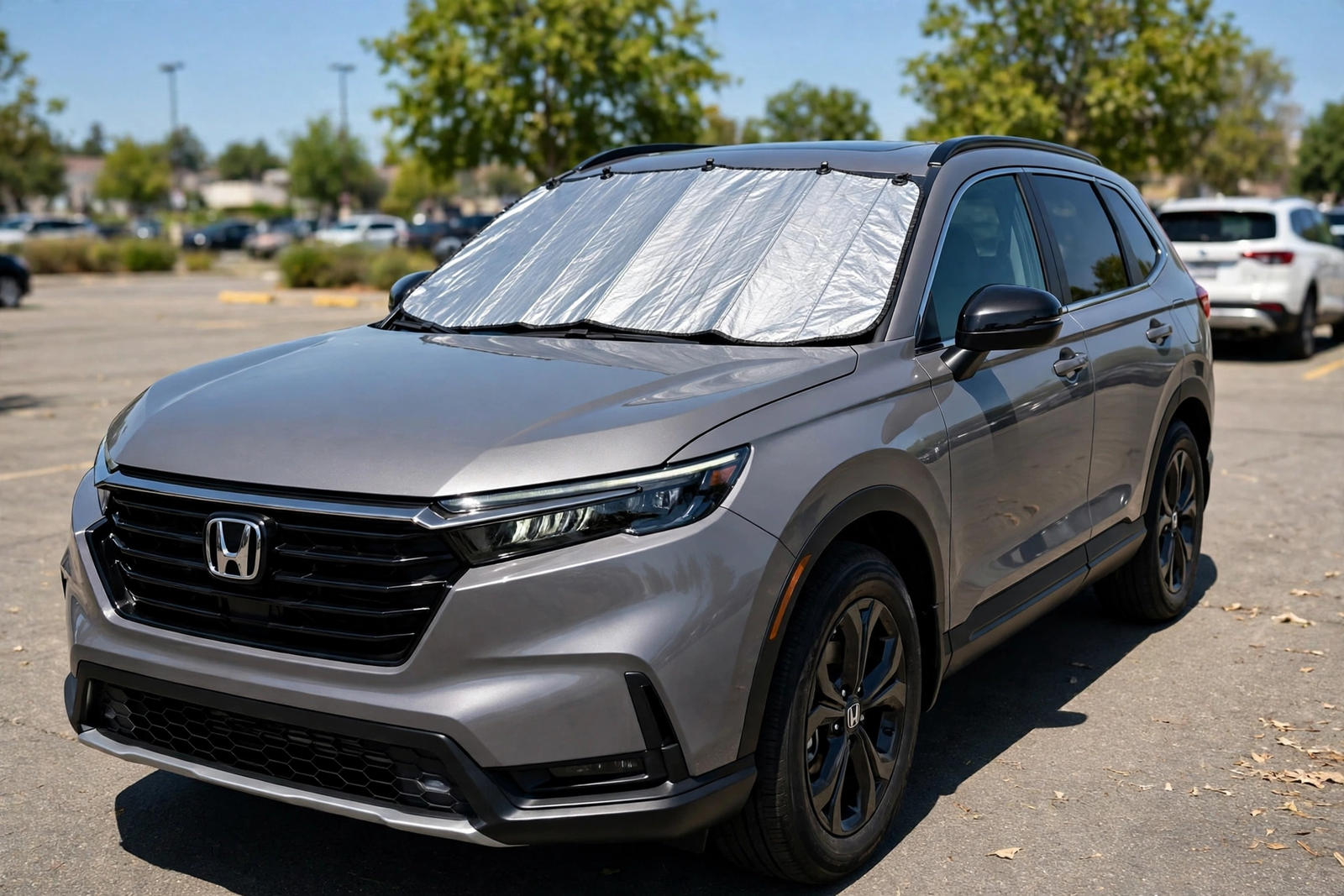
Table of Contents
Quick Pick: Windshield Covers
| Pick | Product | Key Spec / Best For | Check Price |
|---|---|---|---|
| Overall Winner | Autovir Foldable Windshield Sun Shade | 280T polyester, 64″x32″ universal, storage bag — best parked-heat defense | Check Price on Amazon |
| Best Budget | JOYTUTUS Polarized Sun Visor Extender | UV400 polarized lens, double-clip mount — cheapest glare fix for drivers | Check Price on Amazon |
| Premium Pick | RockRose Carbon Car Window Tint Film | Carbon tint film — permanent UV and heat coverage, no daily setup | Check Price on Amazon |
1. Autovir Foldable Windshield Sun Shade: Overall Winner
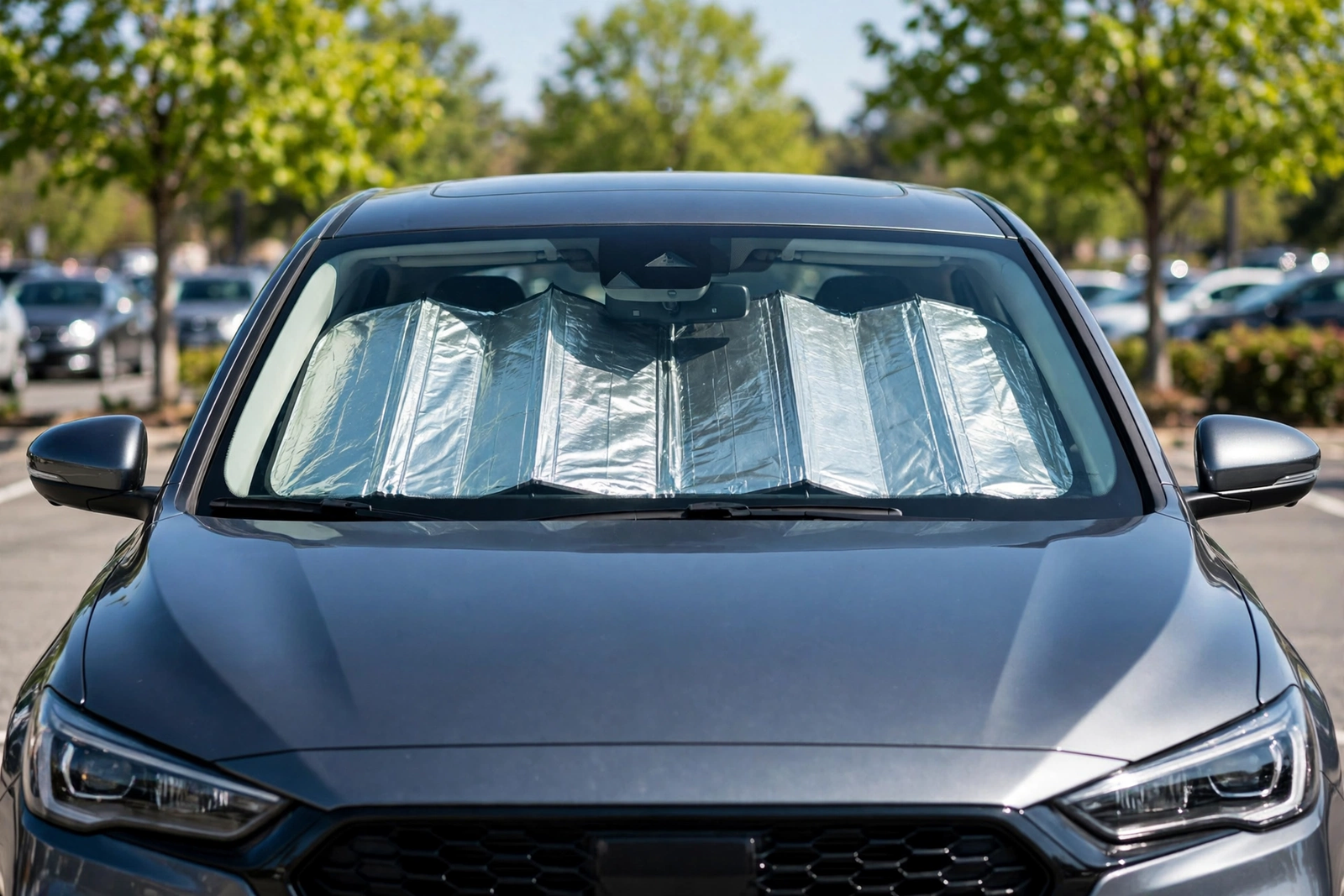
The Autovir is the value standout for parked-car heat: 280T polyester with a silver reflective coating — the densest fabric rating among the shades in this guide — in a universal 64″x32″ foldable format with a storage bag. The listing describes it as blocking the direct sunlight that drives the fastest cabin heat gain.
What stands out: fabric density per dollar. The 280T rating beats the 210T material in many cheaper shades, which matters for long-run durability — thin shades crease and lose reflectivity faster.
Worth knowing: it is a universal fit, so measure your windshield first. A shade that leaves gaps lets heat pour in around the edges.
2. INSAUTO Custom Fit Windshield Sun Shade for Honda CR-V: Best Custom Fit
Universal shades leave gaps on some windshields; the INSAUTO is cut specifically for the Honda CR-V, so it sits edge to edge with no light leaks. The listing describes a custom-fit foldable shade that blocks UV rays and keeps the car cooler.
What stands out: the tailored cut. On a CR-V, this covers the full windshield where a universal shade leaves the corners exposed — and the corners are where heat sneaks in.
Worth knowing: it only fits the CR-V. Buy custom-fit only for a car you plan to keep; everyone else should go universal.
3. Veharvim Polarized Sun Visor Extender: Best for Driving Glare
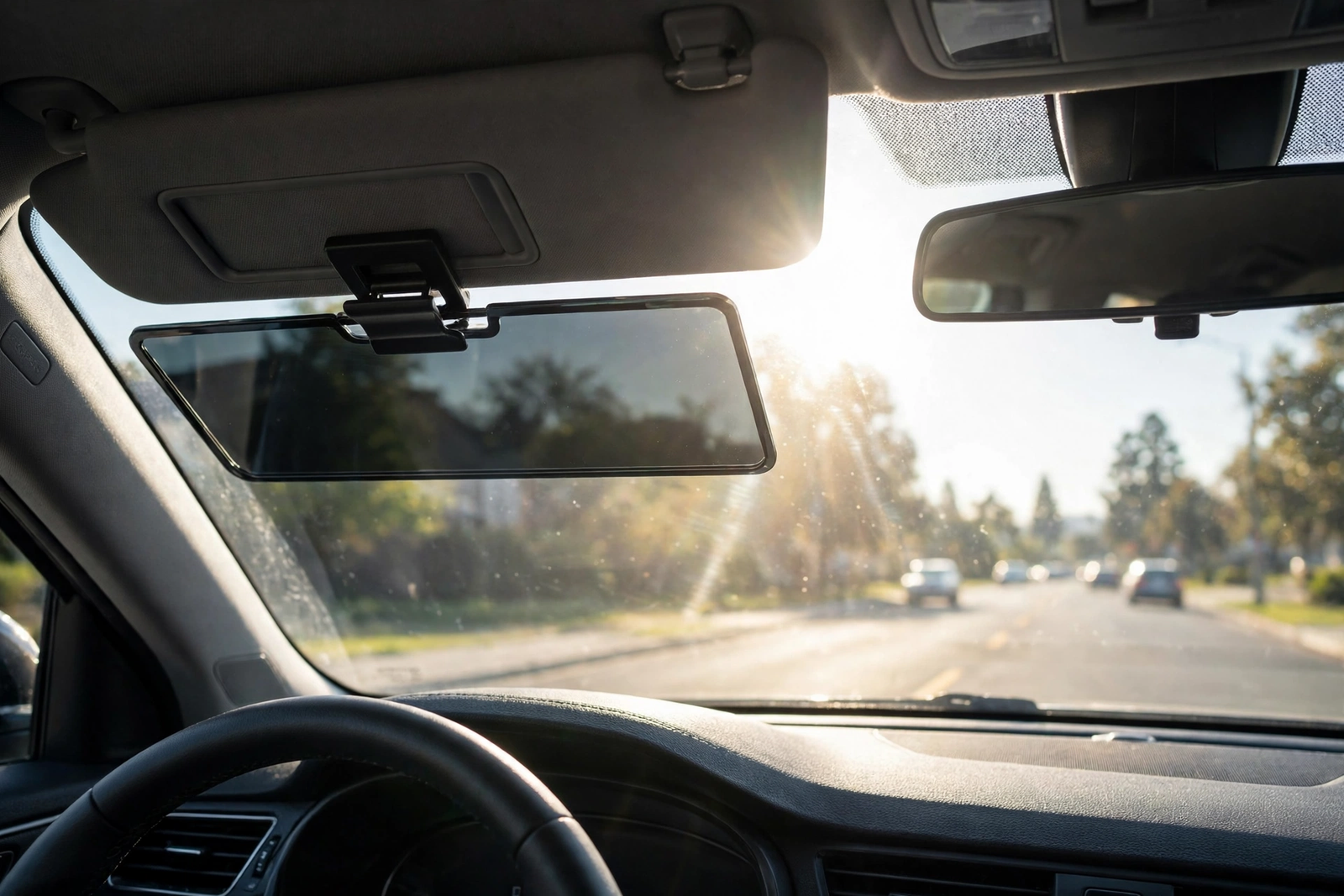
Parking shades solve the parked-car problem; they do nothing for low sun at 7 a.m. on the highway. The Veharvim clips onto the factory sun visor and drops a polarized UV400 polycarbonate lens into the line of sight — 13.5 by 6.7 inches, with two side sunshades for peripheral glare. The listing cites a 2-year warranty, unusually generous in this category.
What stands out: polarization cuts the horizontal glare bouncing off wet roads and other cars’ hoods — a tinted strip cannot do that.
Worth knowing: it is a driving aid, not a parking shade. Check local regulations before using any visor-mounted accessory.
4. JOYTUTUS Polarized Sun Visor Extender: Best Budget Glare Fix
The JOYTUTUS is the direct alternative to the Veharvim: a polarized UV400 visor extender with a double-clip mount and adjustable angle, backed by a 90-day warranty. The listing describes a firm grab on the factory visor via the double-clip design.
What stands out: the cheapest way in this guide to fix driving glare. If the Veharvim’s side sunshades do not matter to you, this covers the core job for less.
Worth knowing: choose between the two on mounting preference — the Veharvim includes side sunshades for peripheral coverage, while the JOYTUTUS leans on its double-clip mount.
5. RockRose Carbon Car Window Tint Film: Premium Pick
Tint film is the permanent answer: instead of deploying a shade every time you park, the RockRose carbon film stays on the glass and blocks UV and heat around the clock. The listing describes a carbon window tint film for car windows.
What stands out: zero daily effort. Once installed, the coverage works parked or driving, day after day — no unfolding, no storage, no forgetting.
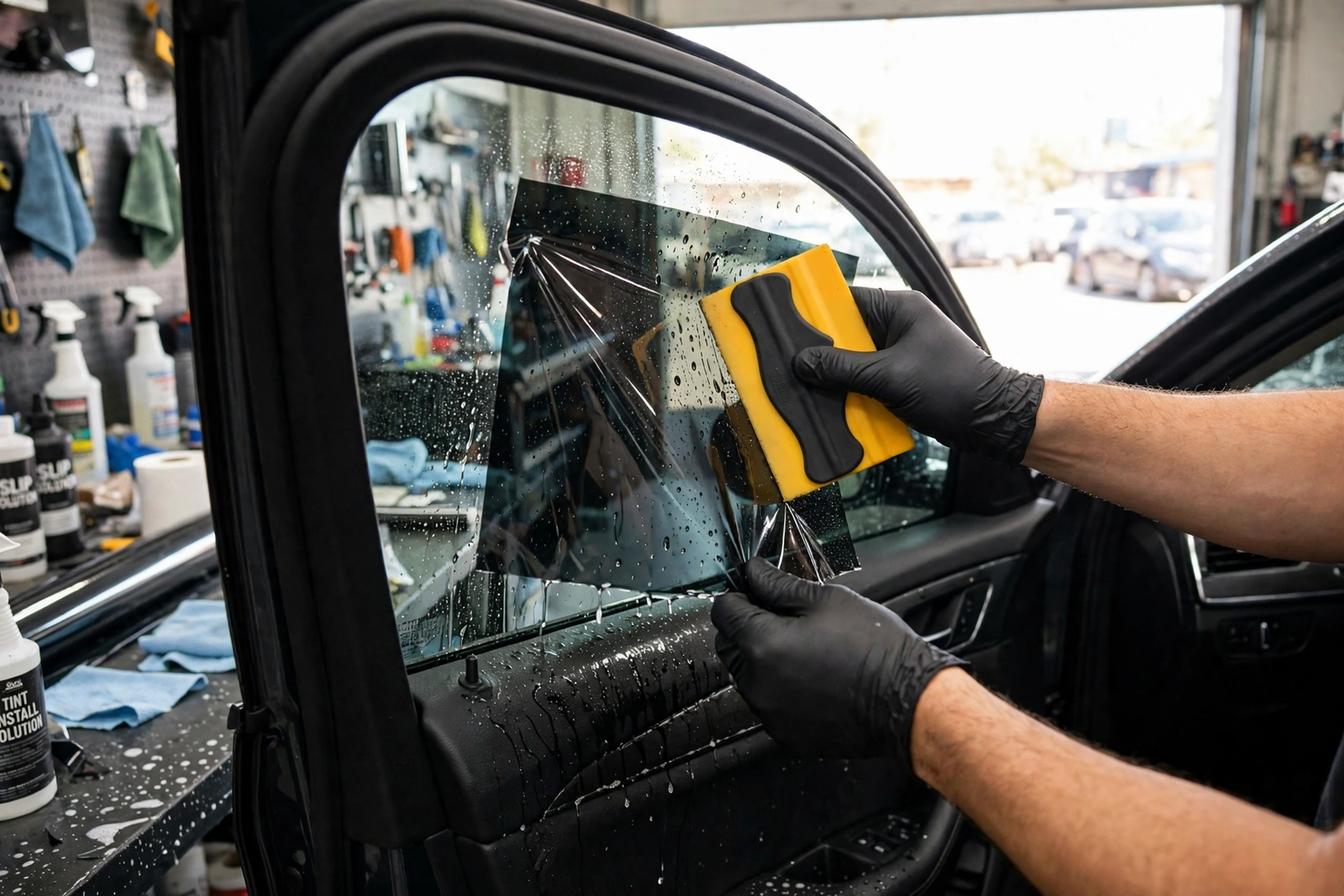
Worth knowing: installation is the hard part — tint film needs a clean, careful application to avoid bubbles, and many buyers have it professionally installed. Also check your state’s tint laws before buying; front-window tint limits vary widely.
6. Window Visors Rain Guards for Ford F-150: Best for Ventilation
Rain guards are the odd one out with a clever job: they let you crack the windows for ventilation — in rain or sun — without water pouring in or the cabin fully exposed. The listing describes window visors/rain guards shaped for the Ford F-150.
What stands out: cracked-window ventilation is the oldest heat trick there is, and rain guards make it work in weather that would otherwise soak the interior.
Worth knowing: these are shaped for the F-150 specifically. They complement a windshield shade rather than replacing it — shade blocks the sun, guards handle the airflow.
Windshield Covers Compared
| Product | Type | Key spec | Standout |
|---|---|---|---|
| Autovir (B0CR6B5BVK) | Foldable shade | 280T, 64″x32″, storage bag | Densest fabric per dollar |
| INSAUTO (B0DYT66WFQ) | Custom-fit shade | Tailored for Honda CR-V | Gap-free CR-V fit |
| Veharvim (B0FLD9L38X) | Visor extender | UV400 polarized, 13.5″x6.7″, 2-yr warranty | Best driving glare fix |
| JOYTUTUS (B0FH9CLMG9) | Visor extender | UV400 polarized, double-clip, 90-day warranty | Cheapest glare fix |
| RockRose (B098KHD52H) | Tint film | Carbon film, permanent | Zero daily effort |
| F-150 rain guards (B0CZNMCZ7R) | Rain guards | Shaped for Ford F-150 | Ventilation in any weather |
Buying Guide: Which Coverage for Which Problem
Parked-car heat is the biggest problem and the easiest to fix: a reflective shade. Universal foldables (Autovir) fit most cars; measure first. Custom-fit shades (INSAUTO) are worth it only for a car you will keep for years — the gap-free coverage is real, but so is the single-vehicle lock-in. For the full shade picture, see our dedicated windshield sun shade guide.
Driving glare needs a different tool: polarized visor extenders (Veharvim, JOYTUTUS). Polarization — not just tint — is what kills the horizontal glare off wet roads. These clip to the factory visor in seconds.
Permanent coverage means tint film (RockRose). It works 24/7 with no setup, but installation quality determines everything — bubbles and peeling come from rushed application, not the film. Budget for professional installation and check state tint laws first.
Ventilation is the rain guards’ job (F-150 set). Cracked windows drop cabin temperatures meaningfully, and guards keep rain out while you do it. They pair with a shade, not instead of one.
The honest system: shade for parking, extender for driving, tint for permanence. Most drivers need only the first two; add tint when you are done deploying shades daily.
Who Fits Whom
- Most drivers: Autovir shade + a visor extender. The complete system for the least money.
- Honda CR-V owners: INSAUTO custom-fit shade — the only gap-free pick for your windshield.
- Glare-plagued commuters: Veharvim or JOYTUTUS — polarized extenders for the road.
- Set-and-forget types: RockRose tint film — permanent coverage, professional install recommended.
- Ford F-150 owners: rain guards for ventilation + a shade for heat.
- Tesla owners: pair any of the above with our Tesla Model Y accessories picks.
The Verdict
The winning combination for most drivers is the Autovir foldable shade for parking plus a polarized visor extender for the road — full windshield coverage for both problems at a modest total cost. CR-V owners should grab the INSAUTO custom fit, and drivers who never want to deploy a shade again should price out the RockRose tint film with professional installation. Start with our windshield sun shade guide if shades are your main need.
Frequently Asked Questions
What is the best automatic windshield cover?
In this automatic windshield cover guide, there is no single product that automatically covers your windshield — the practical “system” is a foldable or custom-fit sun shade for parked heat plus a polarized visor extender for driving glare. Together they cover both problems for less than a tank of gas. For permanent coverage, window tint film works around the clock.
Do windshield sun shades really keep a car cooler?
Yes, measurably. A reflective shade blocks the direct sunlight that drives the fastest cabin heat gain — the National Weather Service reports a parked car’s interior can rise 20°F in 10 minutes. The shade does not refrigerate the car; it slows the oven effect so the cabin starts noticeably cooler.
Custom-fit or universal windshield shade — which is better?
Universal shades fit many vehicles and cost less, making them the best choice for most people. Custom-fit shades (like the INSAUTO for the CR-V) cover edge to edge with no gaps, so they perform better — at a higher price and for one vehicle only.
Can I use a windshield sun shade while driving?
No. Foldable and custom-fit shades are for parked cars only and would block your view. For glare while driving, use a polarized visor extender like the Veharvim or JOYTUTUS, which clips to the factory visor without blocking the line of sight.
Is window tint film hard to install?
It is the hardest install in this guide. Tint film needs surgically clean glass and patient application to avoid bubbles and creases — most buyers either practice on a side window first or pay for professional installation. The payoff is permanent, zero-effort coverage.
Do rain guards really reduce cabin heat?
Indirectly. Rain guards let you crack the windows for ventilation in rain or shine without water entering, and ventilated cabins heat up far slower than sealed ones. They complement a sun shade rather than replacing it.