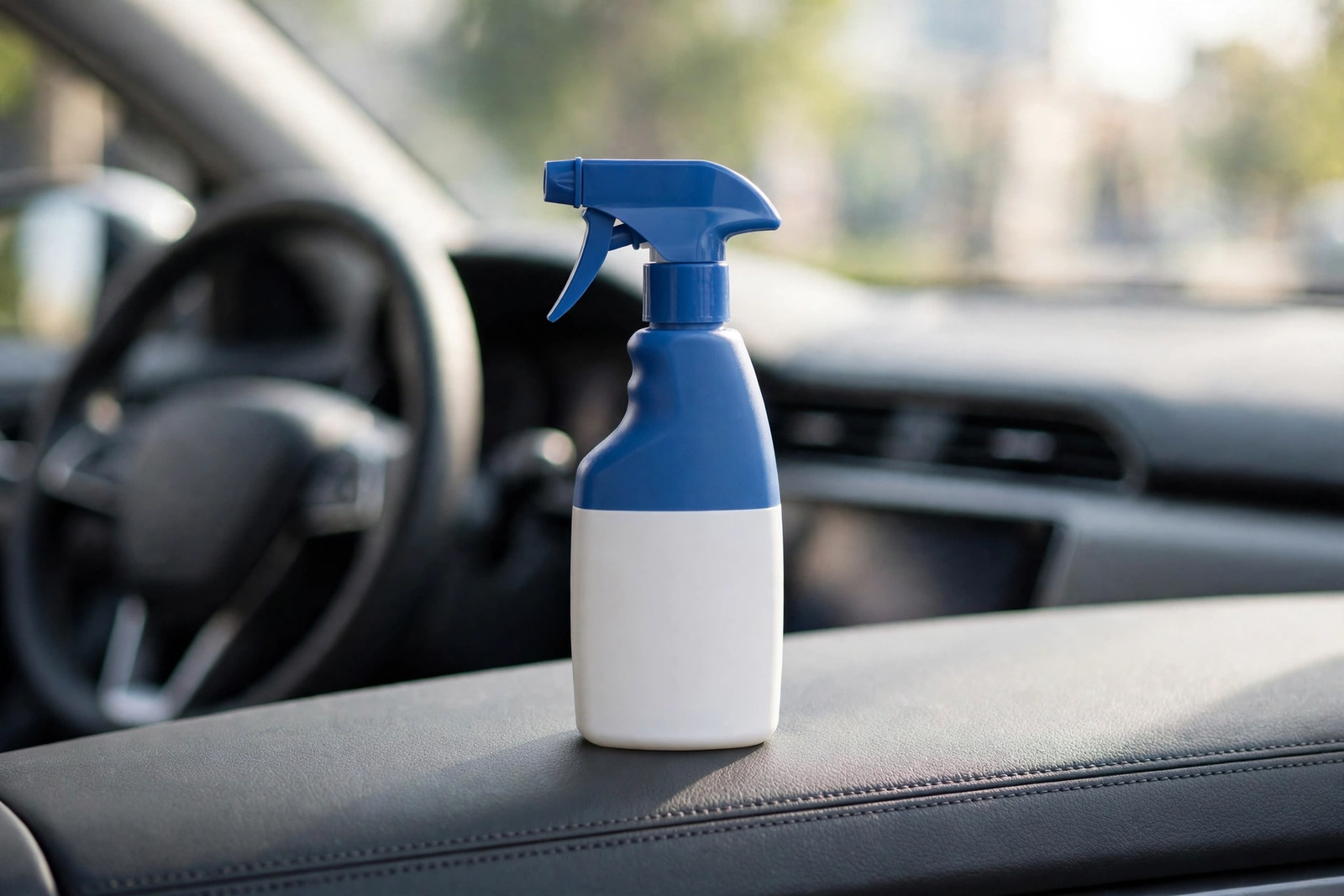
Most interior car cleaning products clean. The 303 Aerospace Protectant Spray does something different: it protects. Originally engineered for aerospace and aviation applications, this water-based spray lays down a UV-blocking film on dashboards, vinyl, rubber and plastic, helping to prevent the fading and cracking that sunlight causes over time. The 32 fl oz bottle, model 30313, is the size most drivers buy, and it is the product this review covers. If your dashboard already looks tired, a cleaner alone will not bring it back — and that is the gap this protectant fills.
In this review of the 303 Aerospace Protectant, we cover what the spray actually does, which surfaces it suits, how to apply it properly, and where it falls short — including the one thing buyers most often get wrong about it. We also compare it with the Chemical Guys Total Interior Cleaner and the Adam’s Polishes Interior Detailer. If you want the short version first, the Quick Pick table below has it.
As an Amazon Associate I earn from qualifying purchases.
| Pick | Product | Why it stands out | Check Price |
|---|---|---|---|
| Overall Winner | 303 Aerospace Protectant Spray, 32 oz | UV protection with a dry matte finish — the protection-first pick for dashboards and trim | |
| Best Budget | Chemical Guys Total Interior Cleaner & Protectant, 16 oz | One bottle that cleans and protects — the best pick if you want a single step | |
| Premium Pick | Adam’s Polishes Interior Detailer, 16 fl oz | Enthusiast-brand detailer with anti-static additives and UV protection |
Table of Contents
What 303 Aerospace Protectant Is — and Where It Fits Among Interior Car Cleaning Products
The 303 Aerospace Protectant Spray is a water-based, rinse-free protectant made by Gold Eagle Co. under the 303 Products brand. The bottle reviewed here is the 32 fl oz trigger sprayer, model 30313. It is non-toxic, has no odor, and is made without silicone oils or petroleum distillates — the ingredients behind the greasy feel of many older dressings. The formula is designed to shield surfaces from ultraviolet rays, repel dust, lint and staining, and help prevent fading and cracking, keeping treated surfaces looking newer for longer.
Its place among interior car cleaning products is easy to misunderstand, so it is worth stating plainly: this is a protectant, not a cleaner. It does not lift dirt, remove stains, or wash a surface. It protects a surface that is already clean. That is why it pairs with a cleaner rather than replacing one — you clean first, then you protect. Buyers who spray it on a dusty dashboard and expect it to clean will be disappointed, and the disappointment is a misunderstanding of the product, not a failure of it.
The aerospace origin is more than a name. The formula was originally engineered for aerospace and aviation applications, where materials sit in harsh sun and need protection that does not leave a slick film. From there it found its way into cars, boats, RVs, sports equipment and patio furniture. For a car interior, the job is the same one it was built for: a sun-baked dashboard is a small version of the same problem.
UV Protection: The Aerospace-Grade Shield
Sunlight is the slow enemy of a car interior. Ultraviolet rays break down the polymers in vinyl, rubber and plastic from the outside in, and the damage shows up as fading, a chalky surface, and eventually cracking. A dashboard parked in the sun every day takes the worst of it. A UV protectant lays down a thin film that absorbs and deflects that radiation before it reaches the material, so the surface underneath stops degrading instead of just looking temporarily shinier.
That is the core of what 303 Aerospace Protectant is sold to do: superior protection against the sun’s damaging UV rays, with dust, lint and stain repellency alongside it. The repellency matters — a surface that sheds dust stays cleaner between wipe-downs, and one that resists staining is easier to keep looking new.
One honest limit belongs here. No spray can undo sun damage that is already there. A dashboard that is already faded and cracked will look better after treatment — the formula restores lost color and luster on the surface — but the cracks will not heal. The product’s real value is prevention: applied to a good interior, it slows the fading and cracking that would otherwise arrive. Think of it as sunscreen for your dashboard, not surgery for it.
The Matte Finish: Why It Looks Factory-New
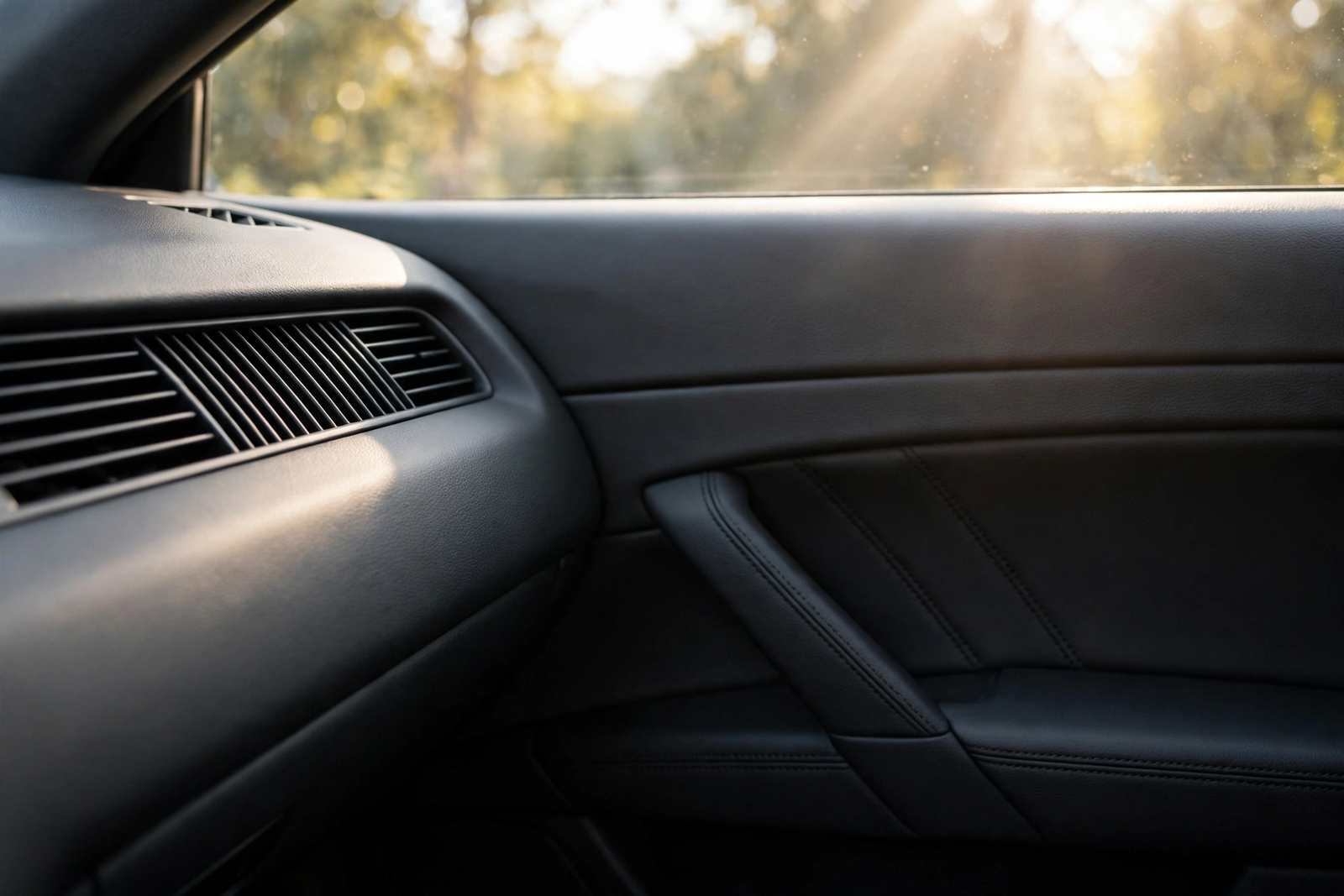
The second thing buyers notice is the finish: matte, dry and non-greasy, with no odor. The water-based formula is free of silicone oils, so it dries to a natural look rather than the wet, slick shine older protectants leave behind. That matters for two reasons. First, a matte finish looks like the factory finish — the dashboard looks clean and new, not treated. Second, a greasy surface attracts dust and fingerprints, while a dry matte surface sheds them.
Many dressings make a dashboard look good for a day and then collect a fresh layer of dust, because the oily film is a dust magnet. A dry matte finish avoids that trade-off, and it avoids glare too: a shiny dashboard reflects sunlight onto the windshield, which is the last thing you want on a bright day.
Surfaces It Works On — and Surfaces to Avoid
Inside the car, 303 Aerospace Protectant is made for rubber, vinyl, plastic and finished leather — the materials that make up most dashboards, door panels, steering wheels, trim and seats. It also works on gel coat, fiberglass, eisenglass and PVC, which is why the same bottle shows up on boats and patio furniture. The range is wide, but it has firm edges, and the edges are stated on the listing itself.
Do not use it on unfinished leathers such as suede, on fabrics such as canvas, or on floorings. Those materials absorb the product instead of holding a protective film on the surface, so it cannot do its job there and may mark them. The same rule applies to fabric seats and cloth trim: they need a fabric cleaner, not a protectant. As with any interior product, test a small hidden area first and check the result before treating the whole surface.
One more note: it is safe on the hard plastics around touchscreens and instrument panels, but it is not a screen cleaner. Clean screens with a product made for them and keep the protectant on the surrounding trim — spraying anything directly onto a screen risks overspray in edges and vents.
How to Apply It: Spray, Wipe, Buff
Applying 303 Aerospace Protectant takes minutes, but the order matters. Clean the surface first — remember, this spray does not clean, so any dust or grime left underneath gets sealed under the protective film. Vacuum loose dirt and crumbs, wipe the surface with your usual interior cleaner, and let it dry. Only then does the protectant go on.
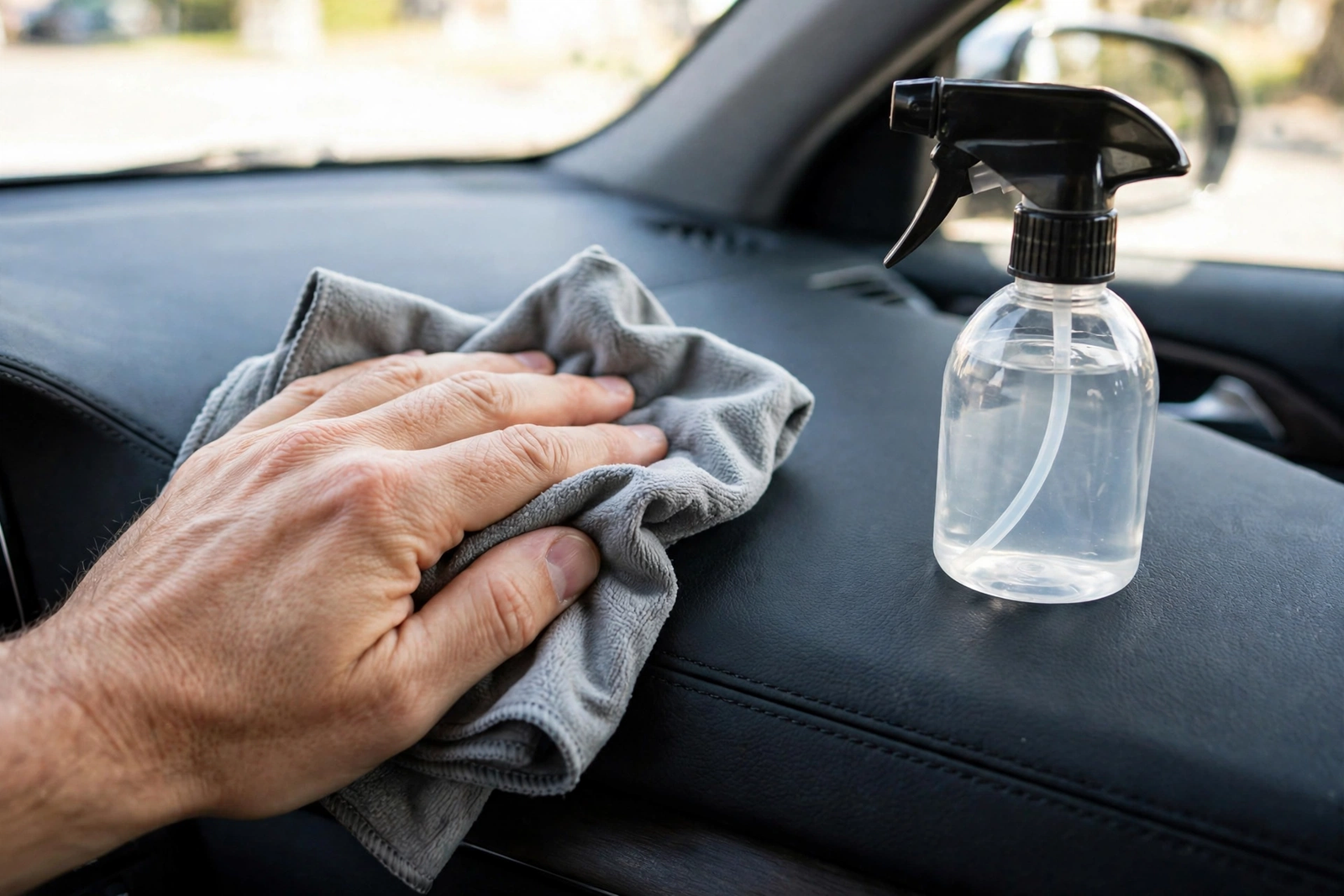
Mist the spray onto a microfiber towel or directly onto the surface, then wipe it evenly across the area. Work one section at a time — a dashboard, then a door panel — so the product spreads before it dries. Follow with a second clean, dry microfiber towel and buff until the surface feels dry to the touch. That buffing step is what gives the matte finish: excess left sitting on the surface can leave a sheen, so buffing it off is part of the job, not an optional extra.
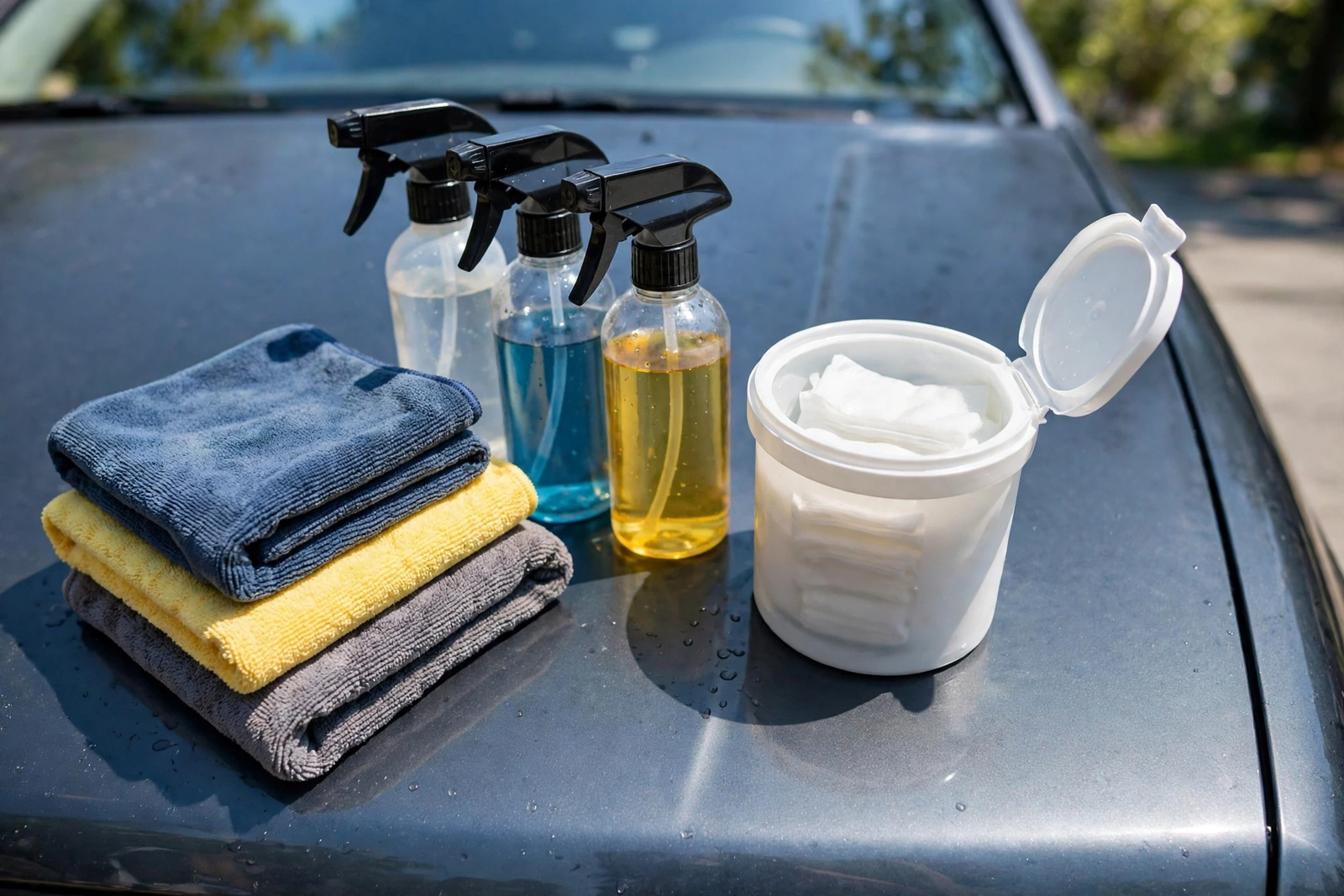
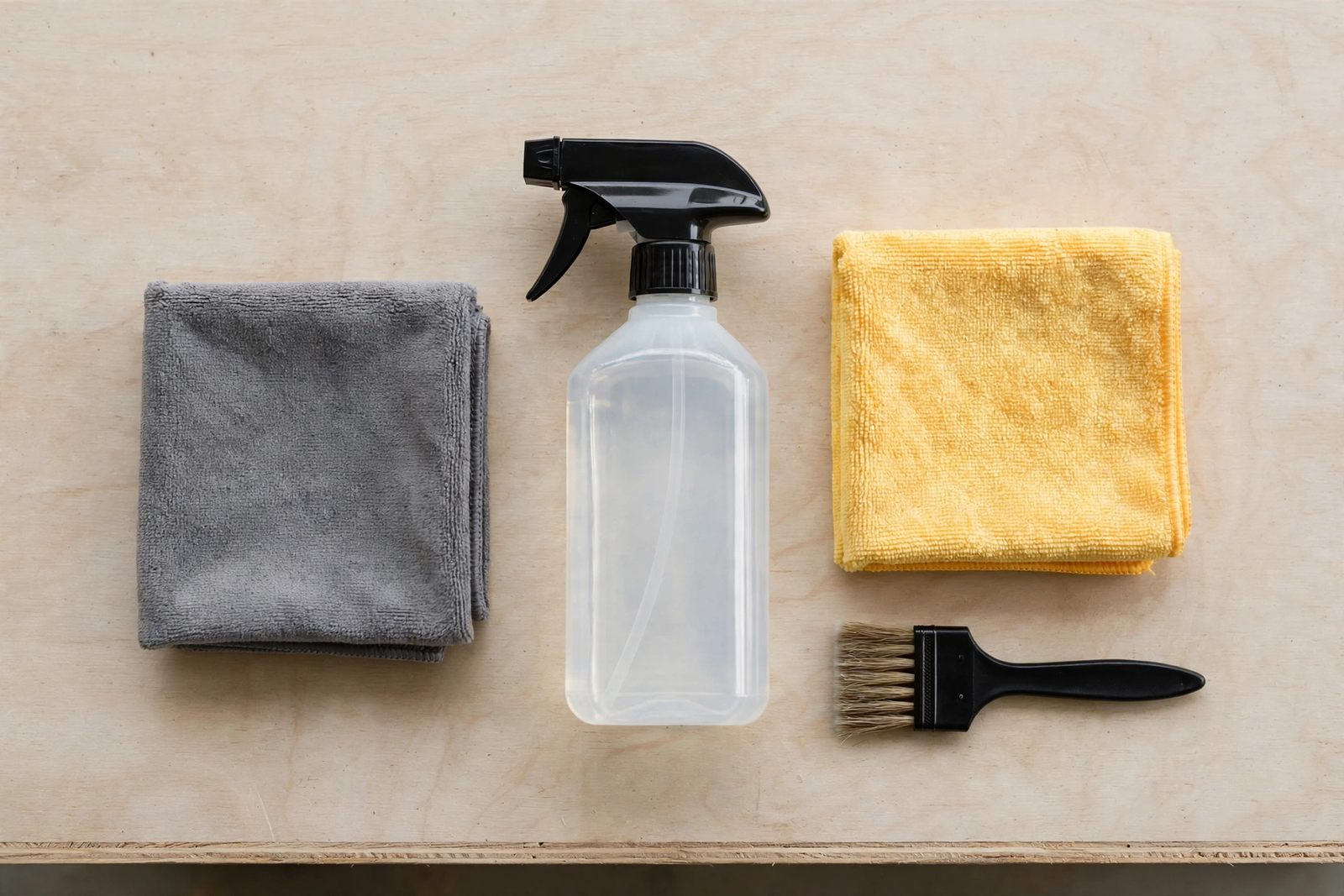
Keep the bottle in your car interior cleaning kit next to your cleaner and towels — the routine only works as a pair: cleaner first, protectant second. Reapply when the matte look starts to fade, which on a sun-exposed dashboard means every few weeks. A 32 oz bottle lasts a long time at that pace, since each application uses only a light mist per section.
303 vs the Alternatives (Chemical Guys, Adam’s Polishes)
The two alternatives most buyers compare with 303 Aerospace Protectant solve the same problem from the other direction. The Chemical Guys Total Interior Cleaner & Protectant, model SPI22016, is a 16 oz spray that cleans and protects in one step — it works on leather, vinyl, plastic, rubber, glass, metal, cloth, carpet and wood trim, and even on navigation screens. Its formula includes UV blockers, and it dries to a streak-free matte finish with no greasy residue. If you want one bottle for the whole interior, it is the simpler buy — our Chemical Guys Total Interior Cleaner review covers it in full.
Adam’s Polishes Interior Detailer, 16 fl oz, is the enthusiast-brand option: a one-step interior detailer that cleans, dresses and protects, with anti-static additives that help keep dust off longer, UV blocking agents, and odor neutralizers. It also carries Microban antimicrobial protection, and it comes in several scents. Some reviewers note it can leave a glossier finish than a factory matte look on certain plastics, so buyers who want the driest matte finish should weigh that against its dust-repelling additives.
All three are established car cleaning products, but they are not the same job. The Chemical Guys bottle is the all-rounder: clean and protect in one step, the widest surface list, the easiest single purchase. The Adam’s detailer is the enthusiast’s one-step bottle, with anti-static and antimicrobial extras. The 303 is the specialist: it does not clean at all, but it is the most focused UV protectant of the three, in the largest bottle, with the driest matte finish. If you have a cleaner you like and mainly want protection, buy the 303. If you want one bottle to do everything, buy the Chemical Guys. If you want the detailing-brand bottle with the extras, buy the Adam’s.
Who Should Buy It — and Who Should Skip It
Buy the 303 Aerospace Protectant if your car lives in the sun. Drivers who park outdoors, commuters in hot climates, and anyone whose dashboard has started to fade will get the most from it. It also suits owners who already have a cleaner they trust and want a dedicated protection step on top. And because the same formula works on vinyl, rubber, plastic, gel coat and fiberglass, it fits alongside the rest of your detailing kit for boats, RVs and patio furniture as well as the car.
Skip it if you want a cleaner — a protectant cannot lift dirt, and buying this bottle to clean a dirty interior will only disappoint. Skip it too if you want a glossy, wet-look shine: the matte finish is the point of this product. Skip it for suede, canvas and fabric interiors, and skip it if you want one bottle to do everything: the Chemical Guys Total Interior Cleaner in the table above is the better buy for that job, as our Chemical Guys Total Interior Cleaner review explains.
Verdict
The 303 Aerospace Protectant is the most honest product among interior car cleaning products — honest because it does exactly one job and does not pretend to do another. It protects. The aerospace-grade UV shielding, the dry matte finish, the water-based formula without silicone oils, and the 32 oz bottle add up to one proposition: clean first, then protect, and your interior will stay looking newer for longer. Its limits are equally clear: it does not clean, it will not rescue a dashboard that is already cracked, and it is not made for suede, canvas or fabric. Accept those three facts and this is one of the simplest car care items to keep in the garage; if any of them is a deal-breaker, the Chemical Guys or Adam’s alternatives above are the honest next step.
Frequently Asked Questions
Does 303 Aerospace Protectant clean as well as protect?
No. 303 Aerospace Protectant is a protectant, not a cleaner. It does not lift dirt, remove stains, or wash a surface — it lays down a UV-blocking film on a surface that is already clean. Clean first with your usual interior cleaner, let the surface dry, then apply the protectant. Spraying it on a dusty dashboard will seal the dust under the film instead of removing it.
Can I use it on leather seats?
Yes, on finished leather — the listing includes finished leather among the surfaces it is made for, along with rubber, vinyl and plastic. Do not use it on unfinished leather such as suede, which absorbs the product instead of holding a protective film. If your leather seats are dry or cracked, a dedicated leather conditioner is still the better tool after cleaning.
Will it leave my dashboard shiny or greasy?
No. The formula is water-based and free of silicone oils and petroleum distillates, and it dries to a matte, non-greasy finish with no odor. Buff the surface with a clean, dry microfiber towel after wiping it on — that buffing step is what gives the dry matte finish. Any excess left sitting on the surface can leave a sheen, so buff it off.
How often should I reapply it?
The listing we read states no fixed reapplication interval, so this review states none as a manufacturer figure. A sensible routine is to reapply when the matte look starts to fade or the surface starts collecting dust again — on a sun-exposed dashboard that means every few weeks rather than every few months. Each application uses only a light mist per section, so a 32 oz bottle lasts a long time at that pace.
Can I use it on exterior trim and tires?
Yes, on exterior rubber and plastic trim — the formula is made for rubber, vinyl, plastic, gel coat and fiberglass, so it works on exterior trim, boat seats and patio furniture as well as the interior. It can be used on tire sidewalls too, where it gives a matte black look, but it is not a dedicated tire dressing, so it will not last as long there as a product made for tires.
Should I buy 303 Aerospace Protectant or Chemical Guys Total Interior Cleaner?
Buy the 303 if you already own a cleaner you like and mainly want UV protection with a dry matte finish — it is the more focused protectant, in a larger 32 oz bottle. Buy the Chemical Guys Total Interior Cleaner if you want one bottle that cleans and protects in a single step, including glass and screens. Many owners end up with both: the Chemical Guys bottle for cleaning, the 303 for protection on top.